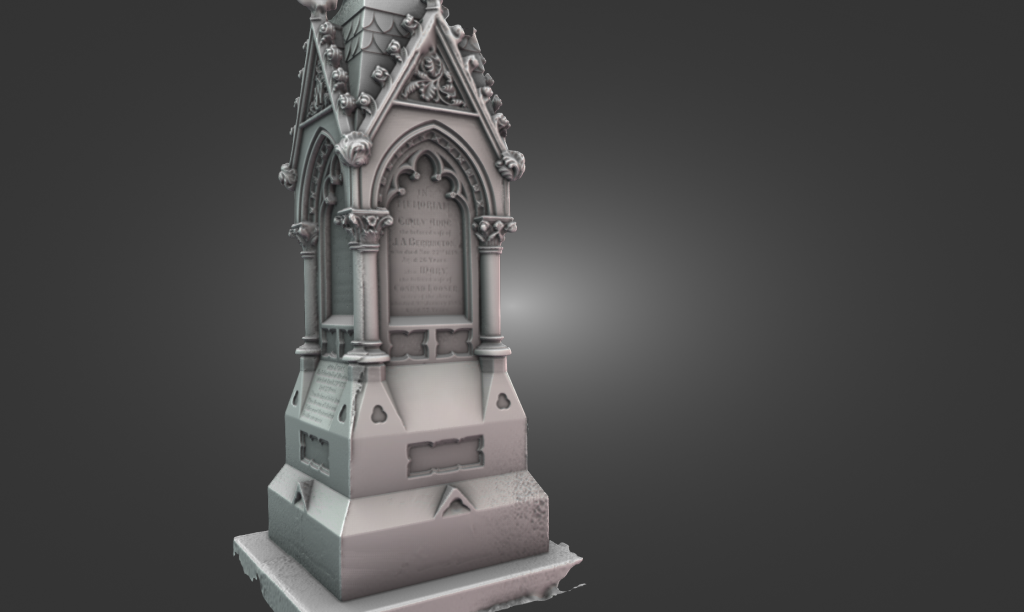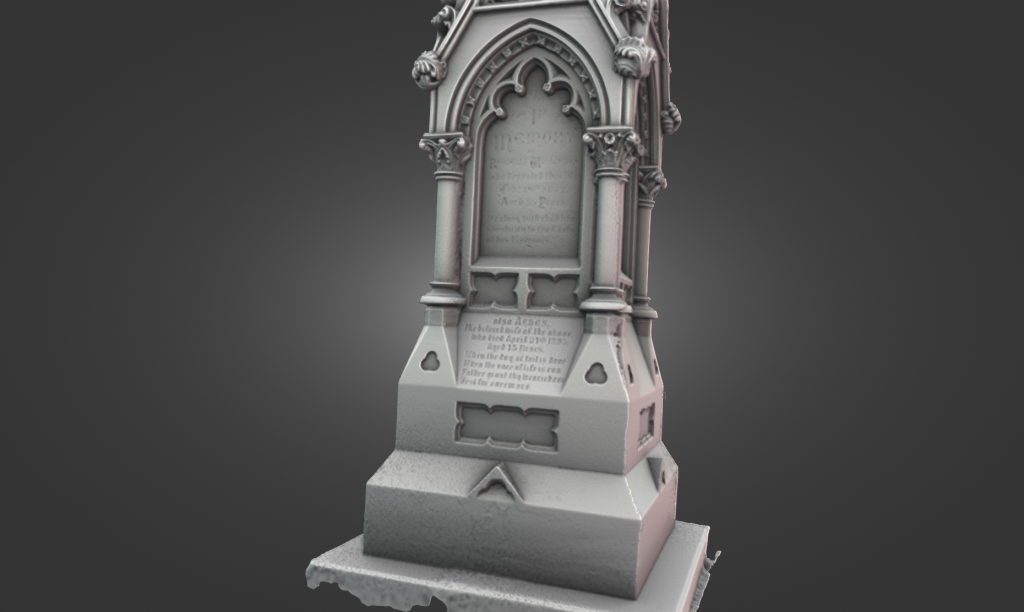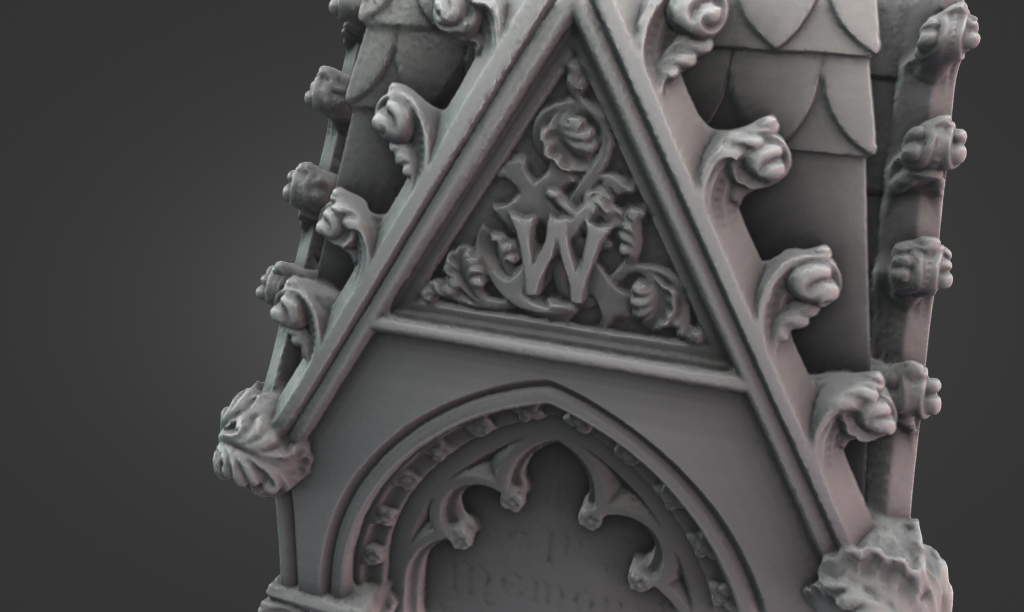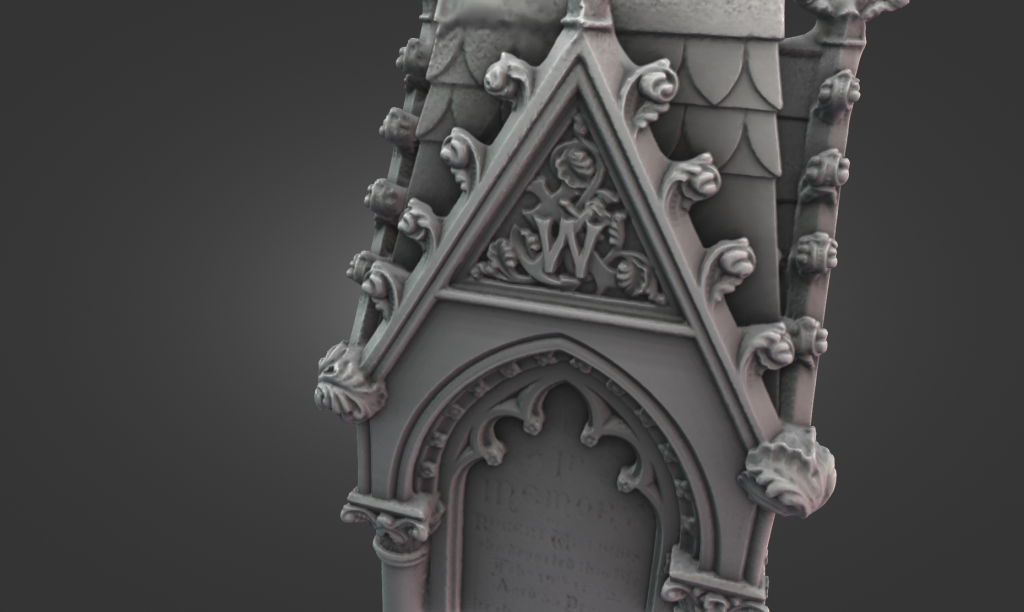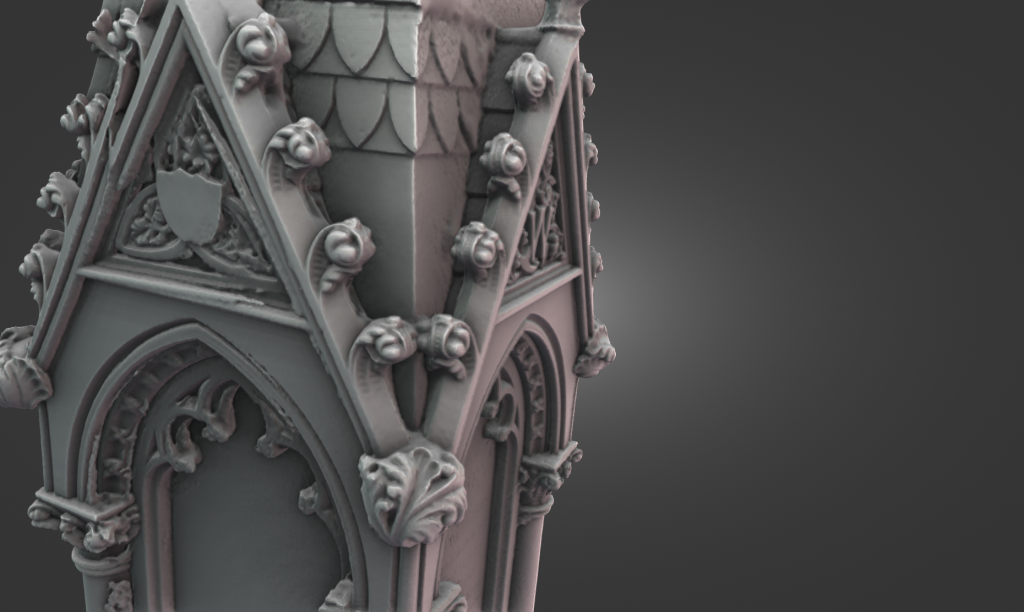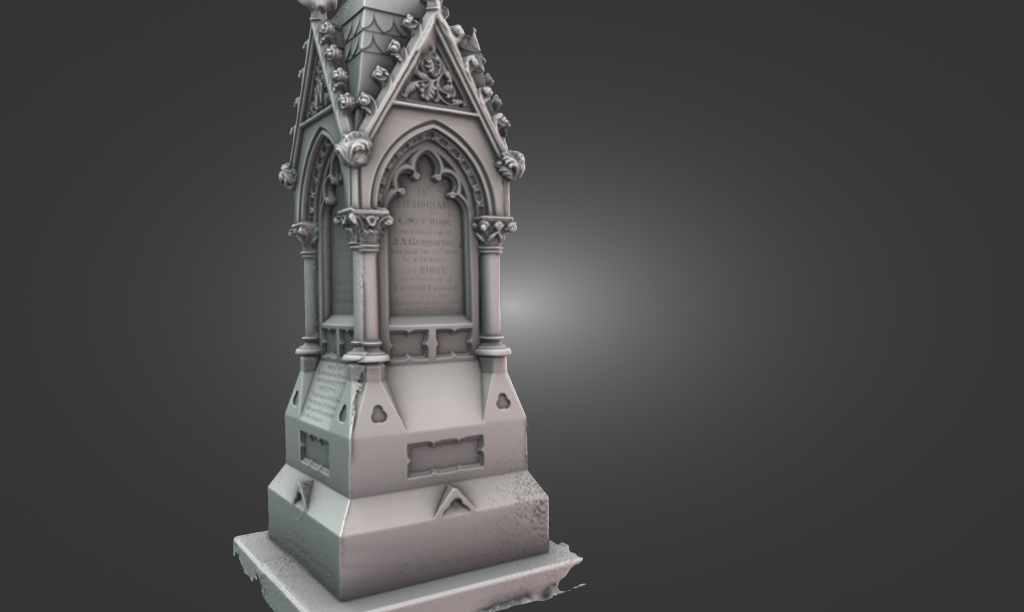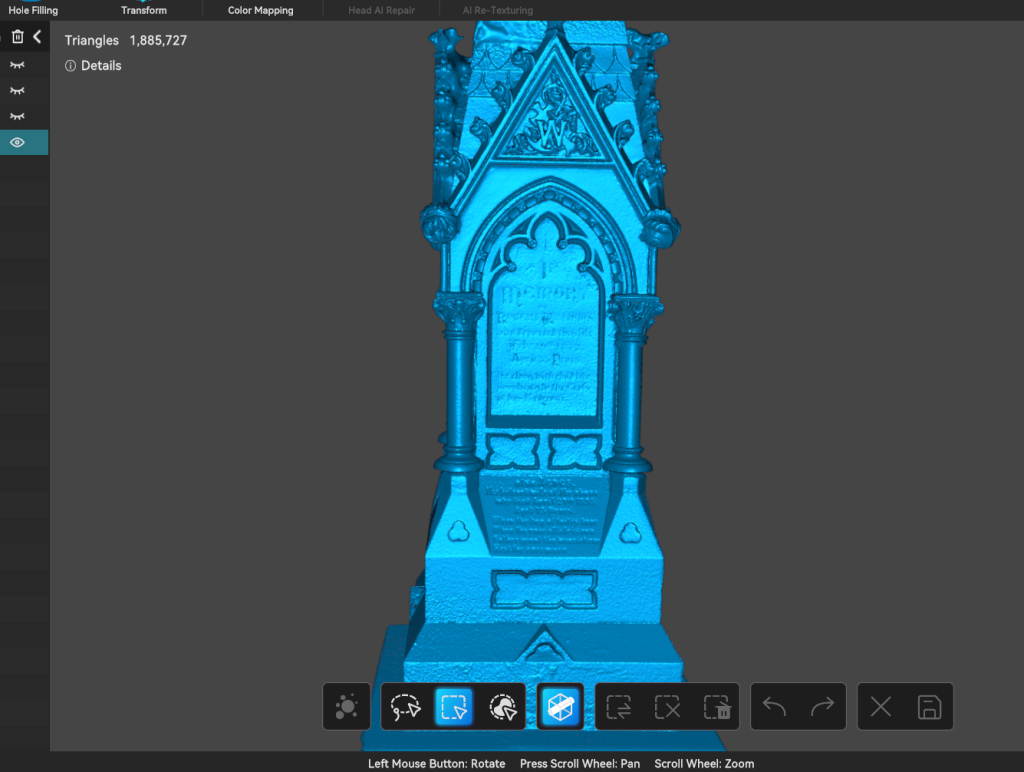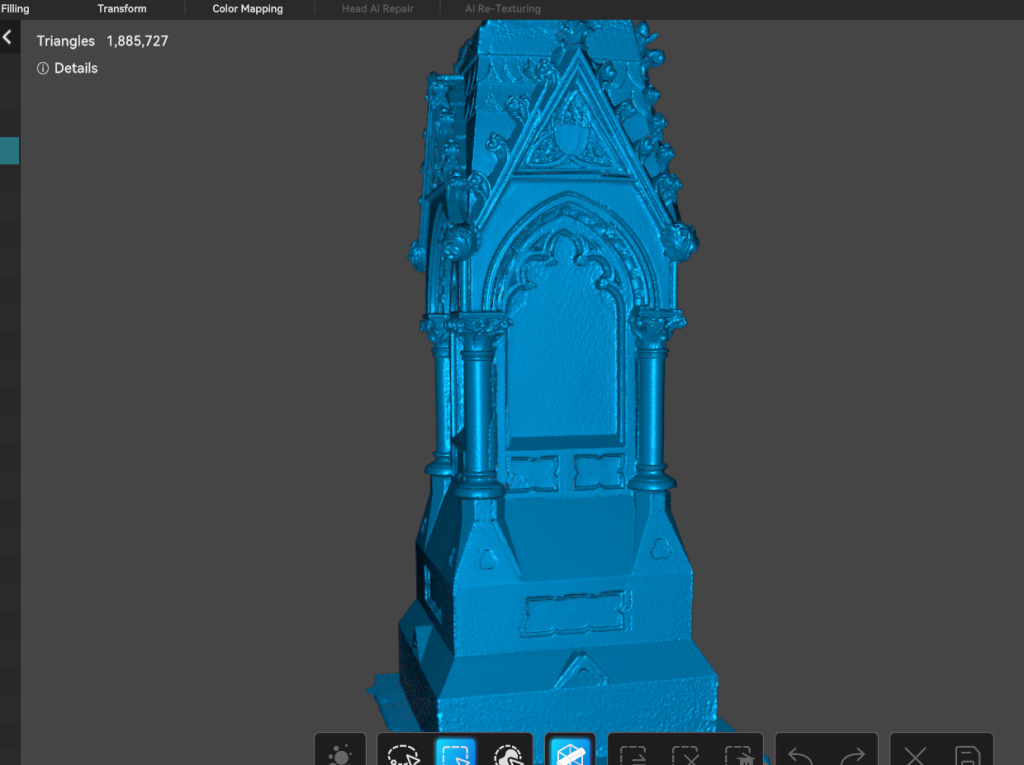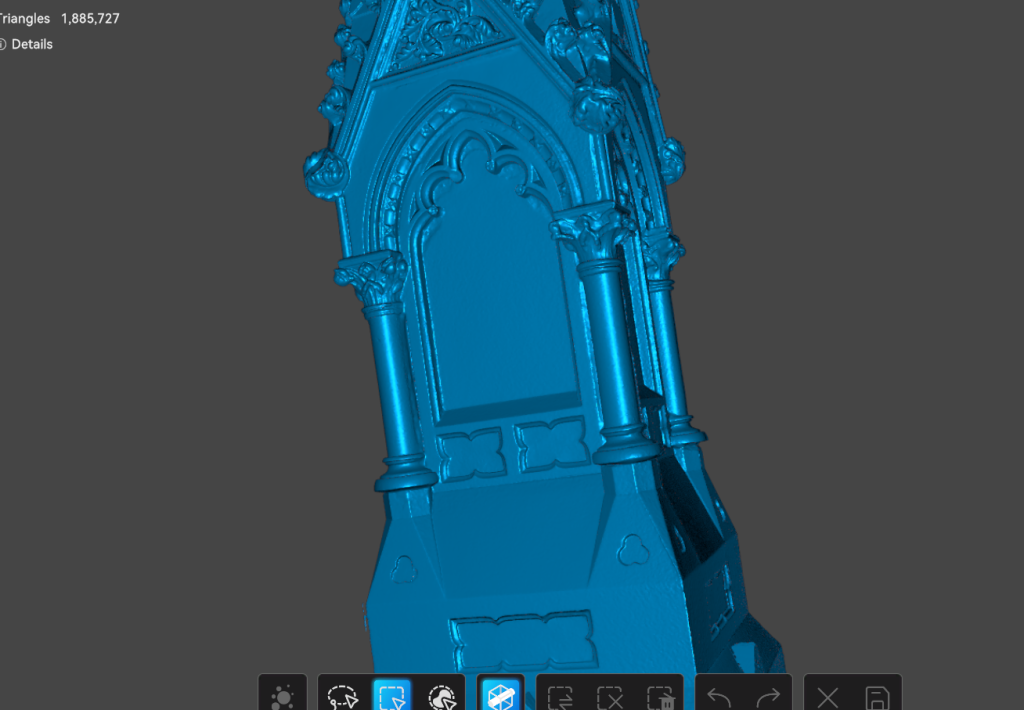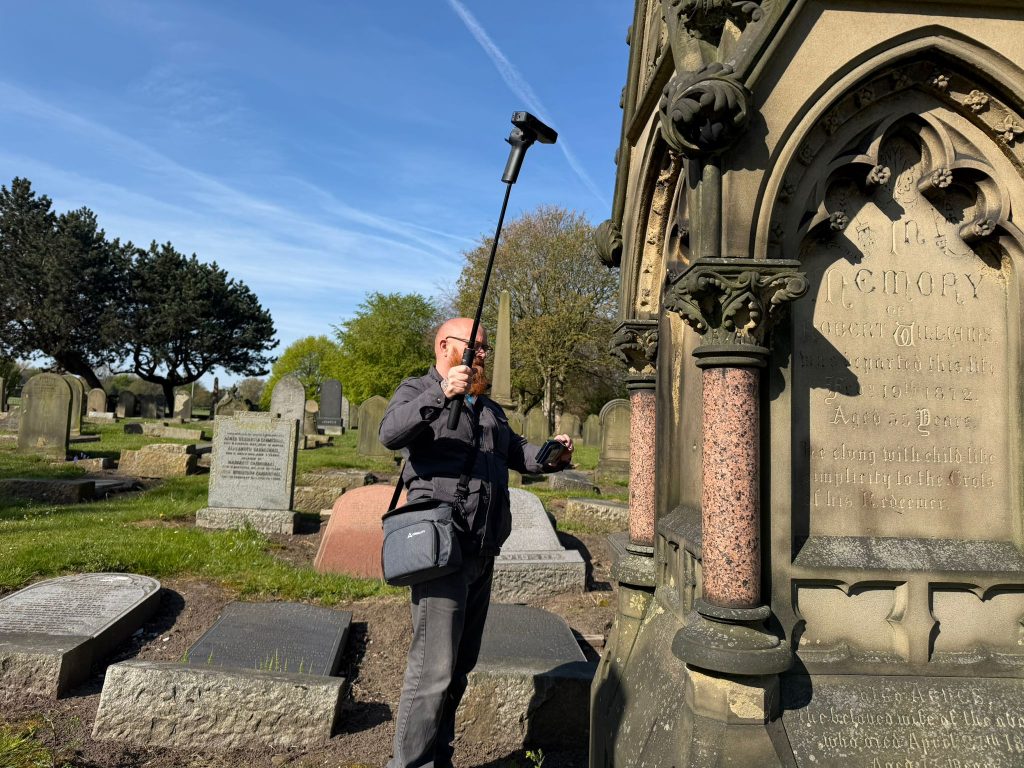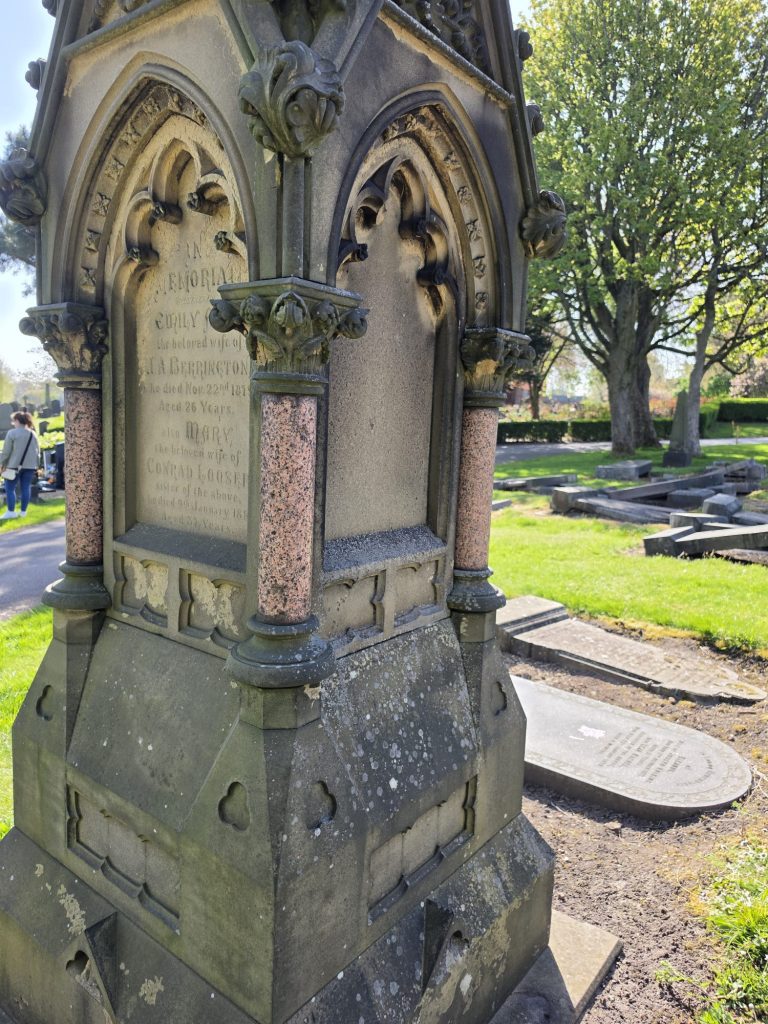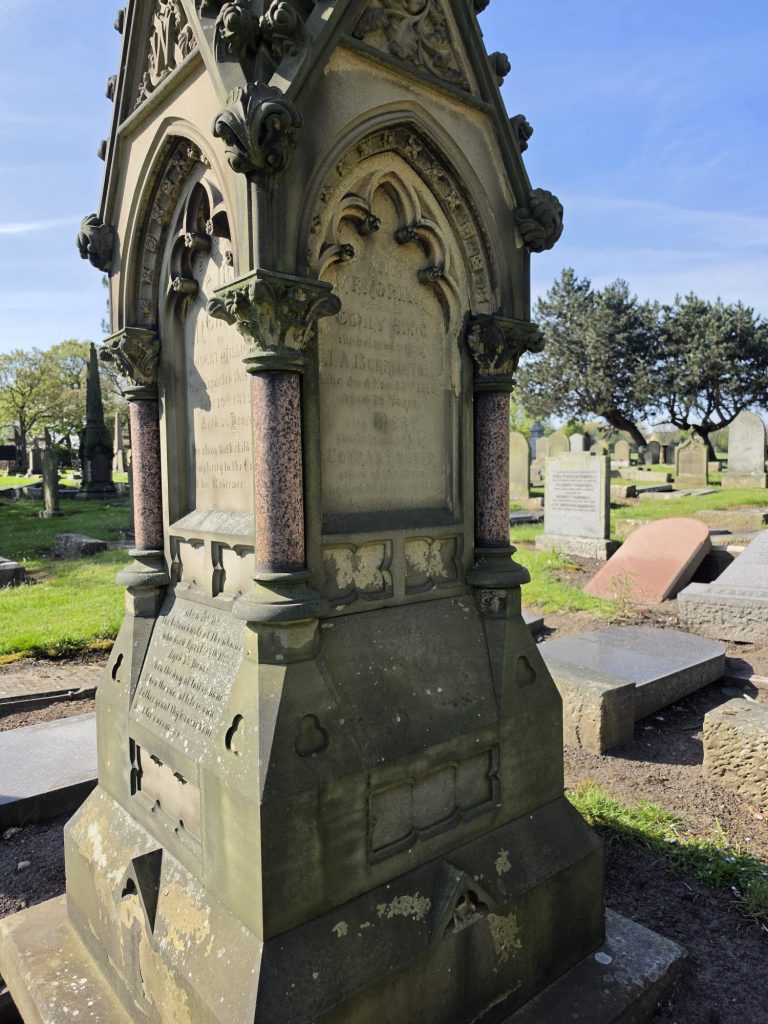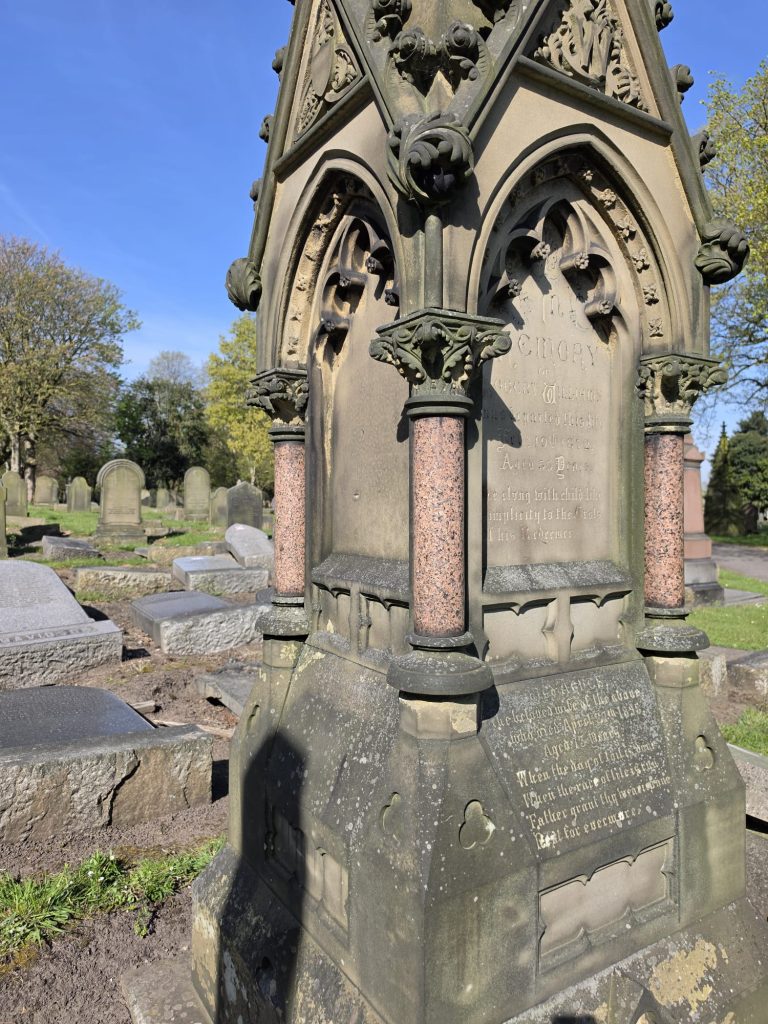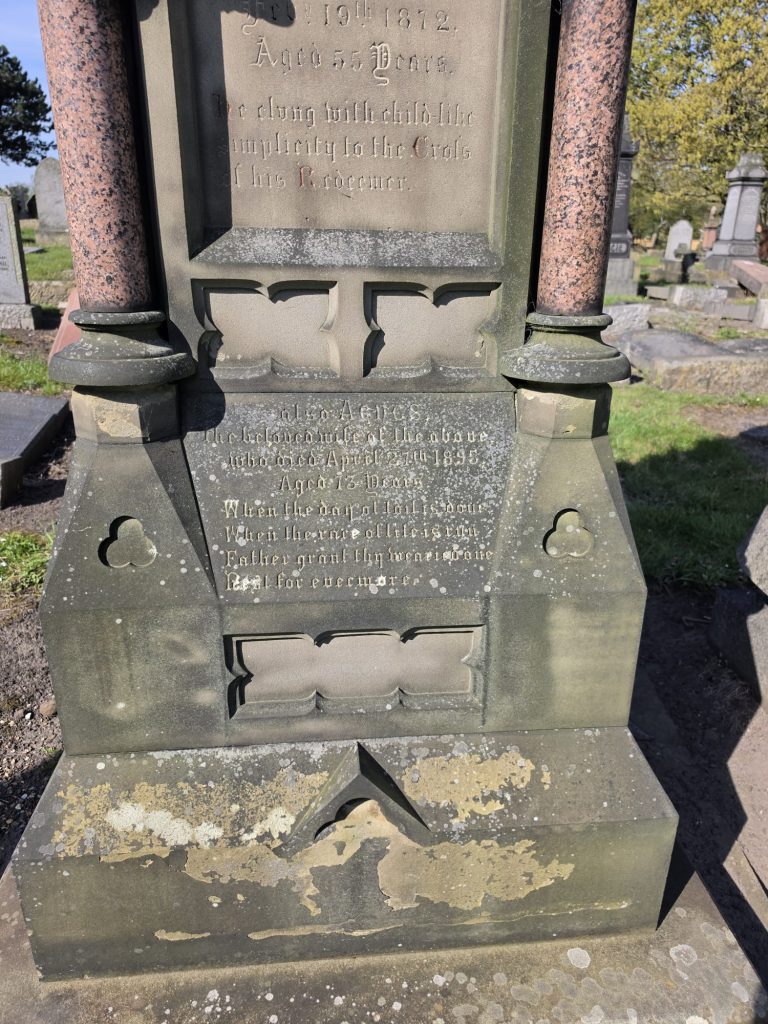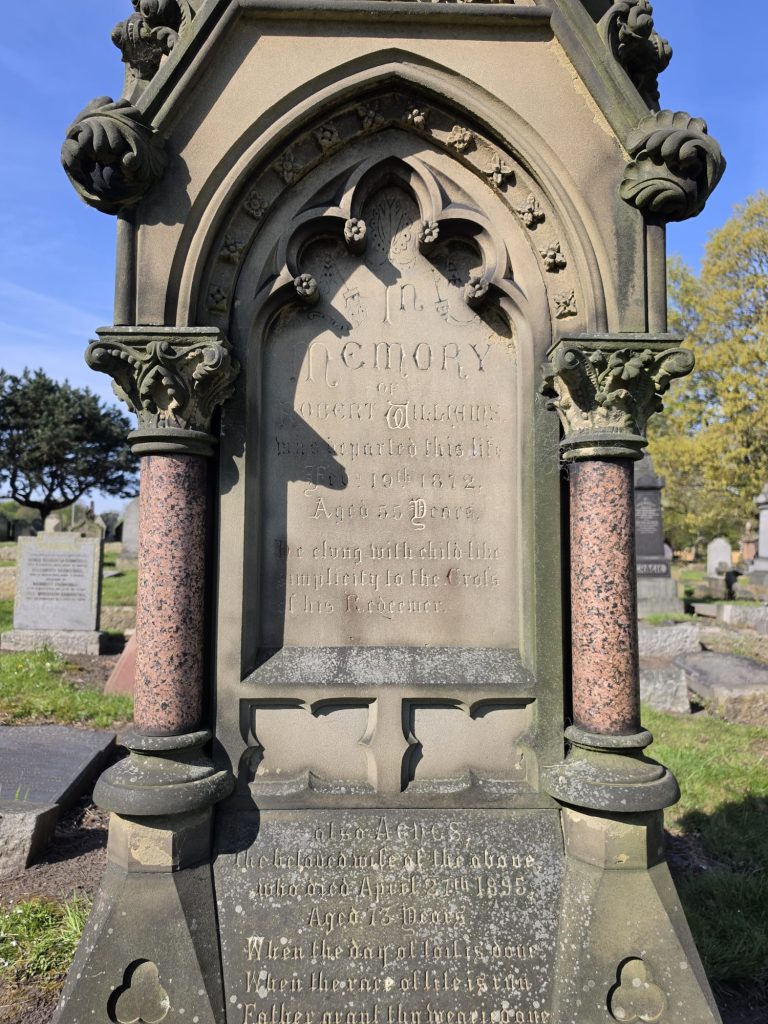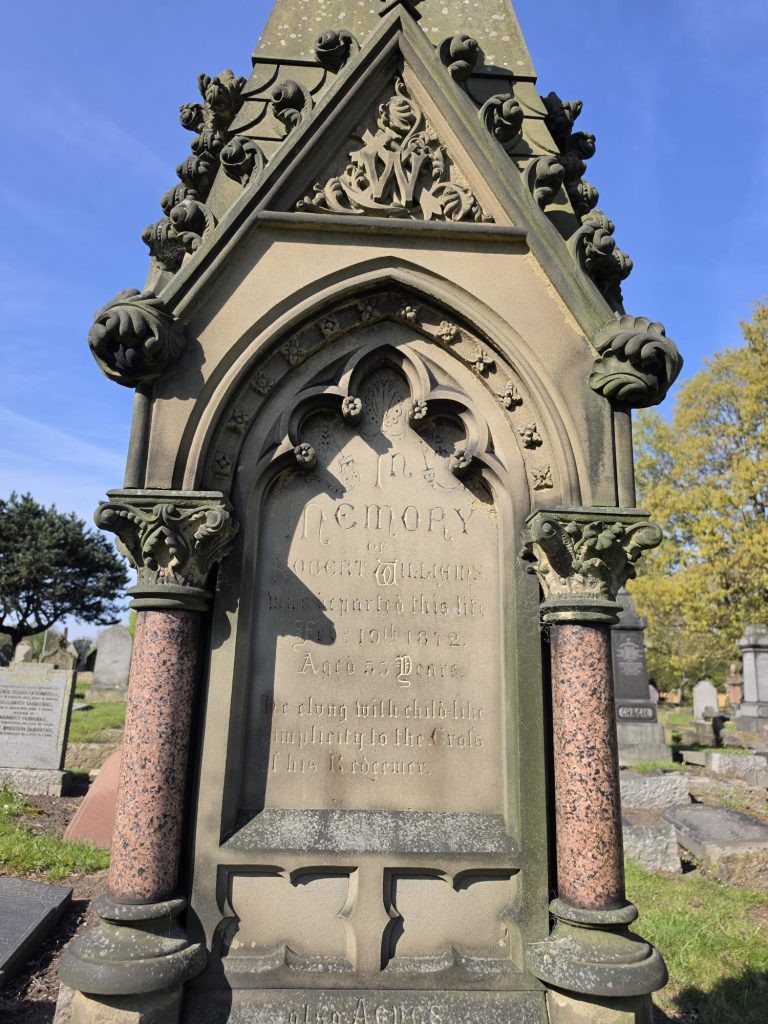
I was out at Anfield Cemetery in Liverpool today to visit my Mother’s grave. I felt a strong pull to bring my gear along with me. Call it a hunch or perhaps a little push from above but I am incredibly happy I followed that feeling. Among the sea of monuments I was drawn to one particular Gothic masterpiece that felt like it was waiting to be documented.
After a deep dive into the historical records I discovered that this stone is not just a grave marker. It is a rare personal work by one of the architects who literally built the Liverpool waterfront we know today.
3D Scanning with the Otter Lite
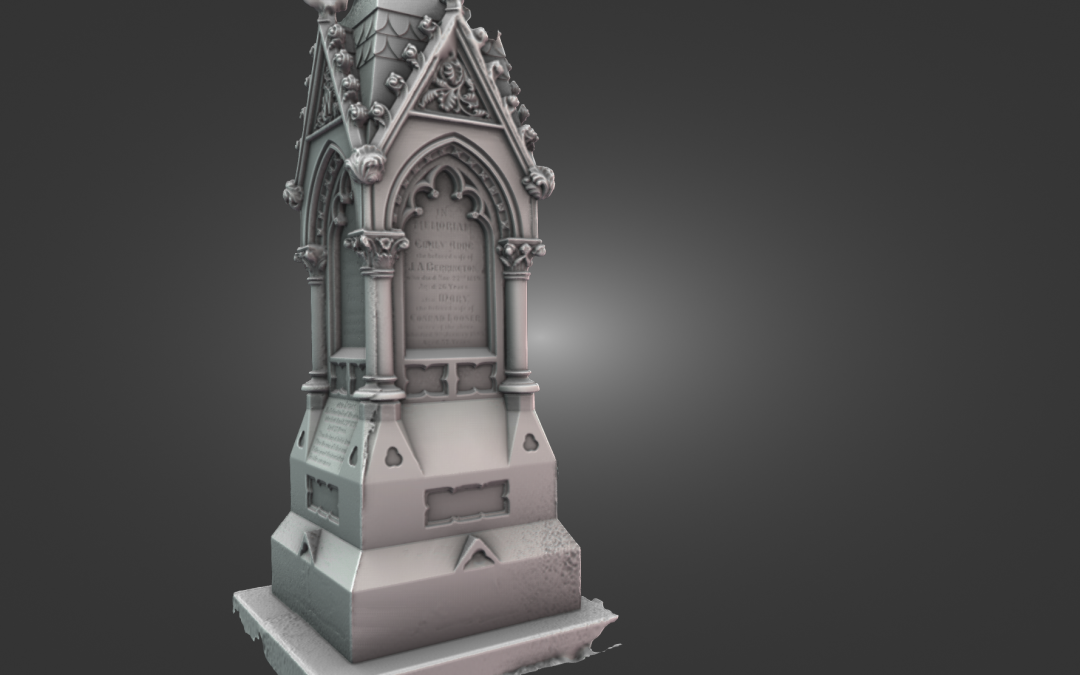
For this digital preservation project I used the Otter Lite 3D scanner. While the high contrast of the bright Liverpool sun can often cause tracking issues for optical scanners the Otter Lite handled the 30,000 lux environment with zero problems.
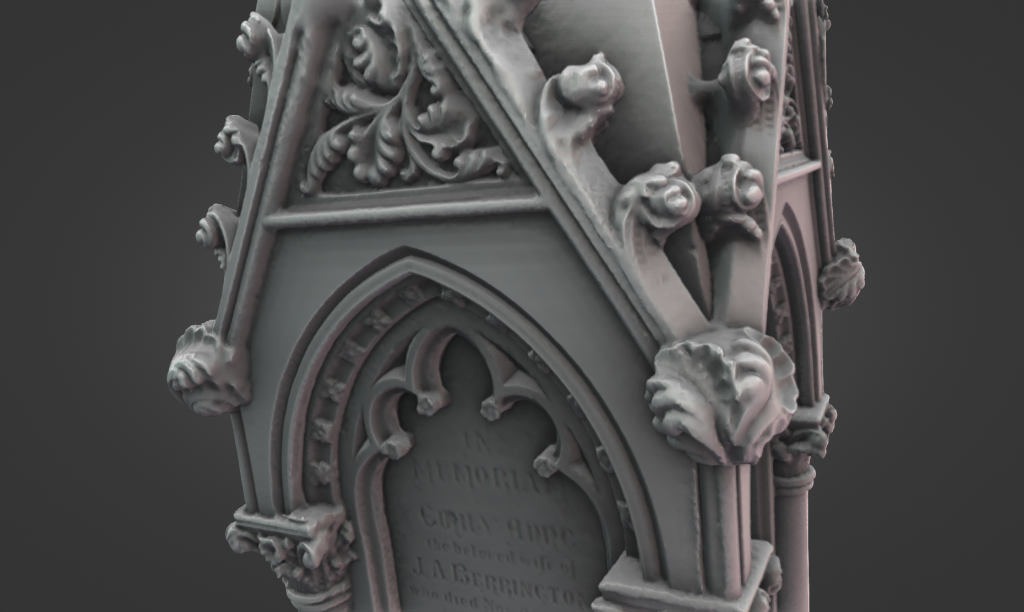
- Scan Precision: Captured the weathered epitaphs with up to 0.05mm accuracy.
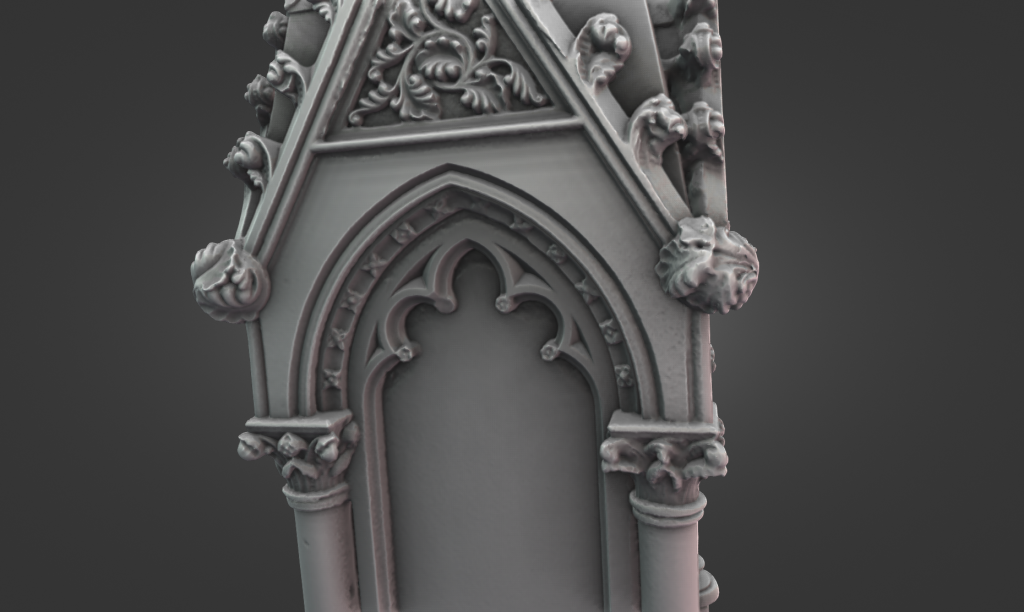
- Complex Geometry: The scanner effortlessly mapped the deep undercuts of the Victorian floral capitals.
- Surface Handling: The reflective properties of the pink granite columns were captured without the need for scanning spray.
By stripping away the moss and century old weathering in the 3D mesh renders you can see the stonemason's work as it looked in the 1870s.
John Arthur Berrington and a Family Tragedy
The memorial belongs to the Williams and Berrington families. The real discovery was the man behind the monument: John Arthur Berrington.
John Arthur Berrington was a prominent Architect and Assistant Engineer for the Mersey Docks and Harbour Board (MDHB). His professional legacy includes the iconic Pilotage Building at the Pier Head (built in 1883) which still stands today as a key part of the Museum of Liverpool complex.
The monument I scanned today was a deeply personal project for him. It commemorates his first wife Emily Jane who died at the tragic age of only 26. Given his expertise in dockland architecture and grand civic buildings it is almost certain he designed this high Gothic memorial specifically for her.
Why Digital Preservation Matters
Using 3D scanning technology like the Otter Lite allows us to create "Digital Twins" of our heritage. Monuments in cemeteries like Anfield are exposed to the elements and will eventually fade.
By capturing this data today we are ensuring that the personal work of Liverpool’s great architects remains accessible for future generations. This scan represents a bridge between 19th century craftsmanship and 21st century technology.