WordPress Post Research Resource
The Wavertree Monk's Well
An interactive exploration of Liverpool's mysterious 15th century spring. Discover the architecture, the chilling folklore, and the timeline of this Grade II listed monument situated on the historic Wavertree village green.
1. Site Overview & Architecture
Location
Situated on the traffic island at the junction of Mill Lane and Victoria Road, Wavertree, Liverpool, L15.
Structure
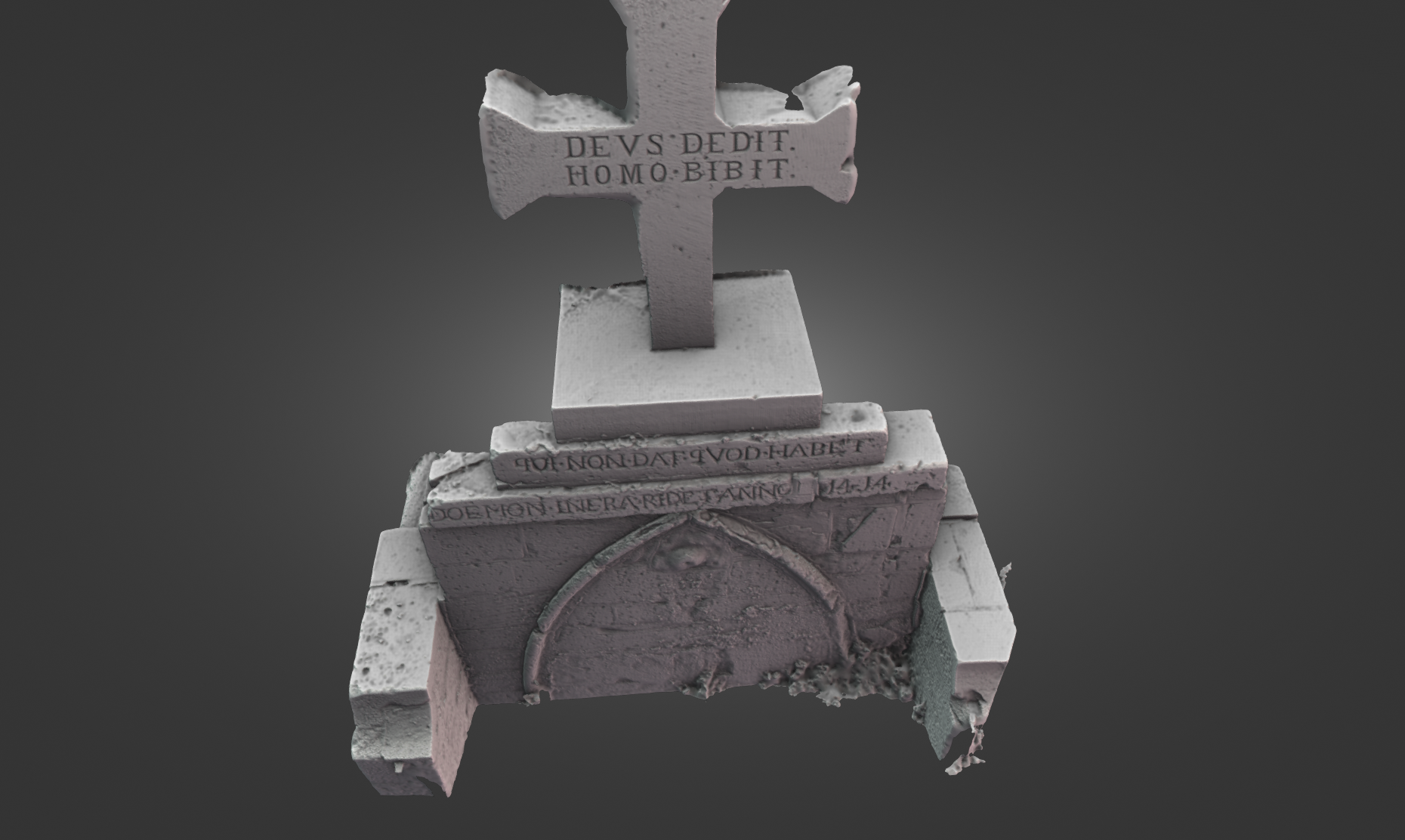
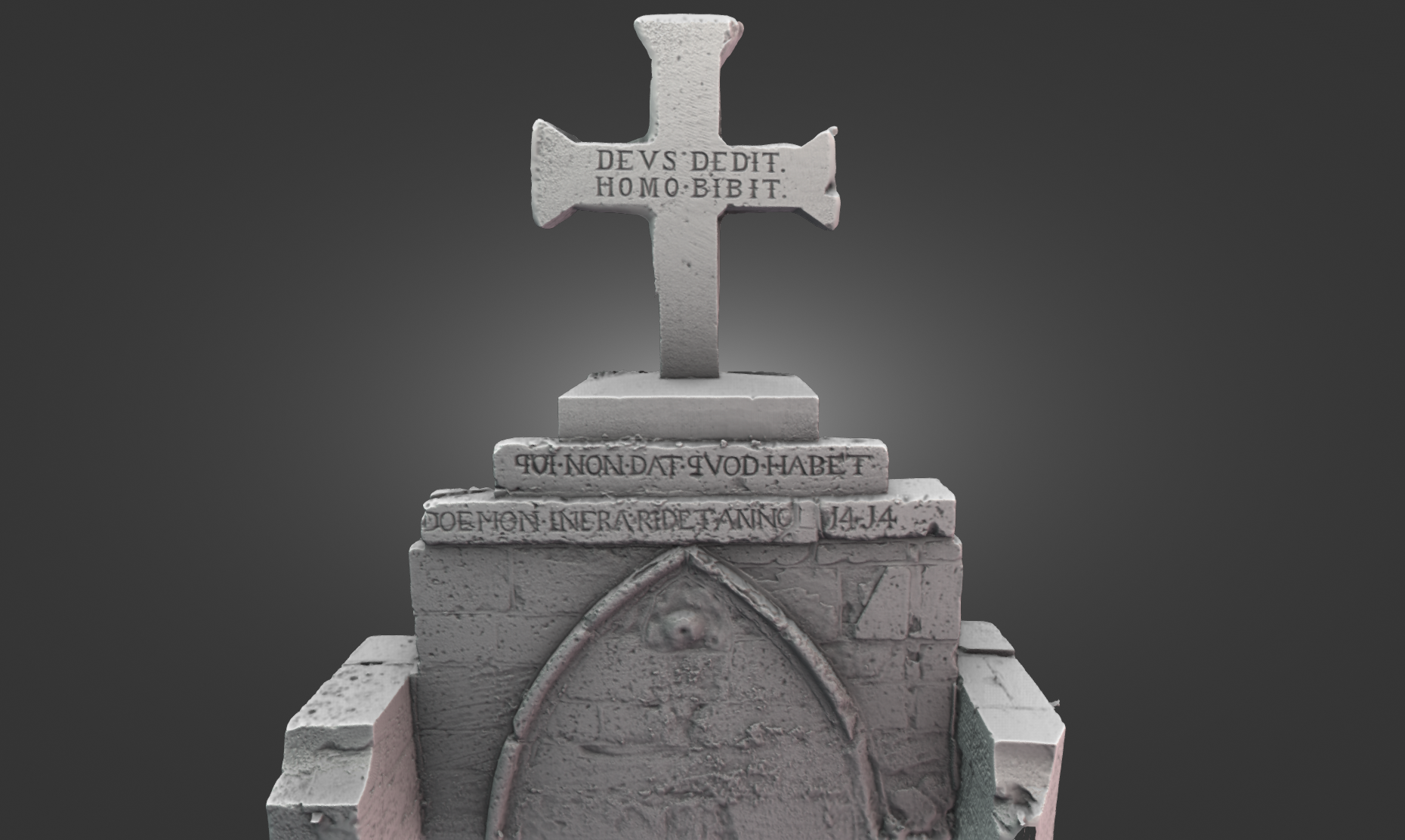
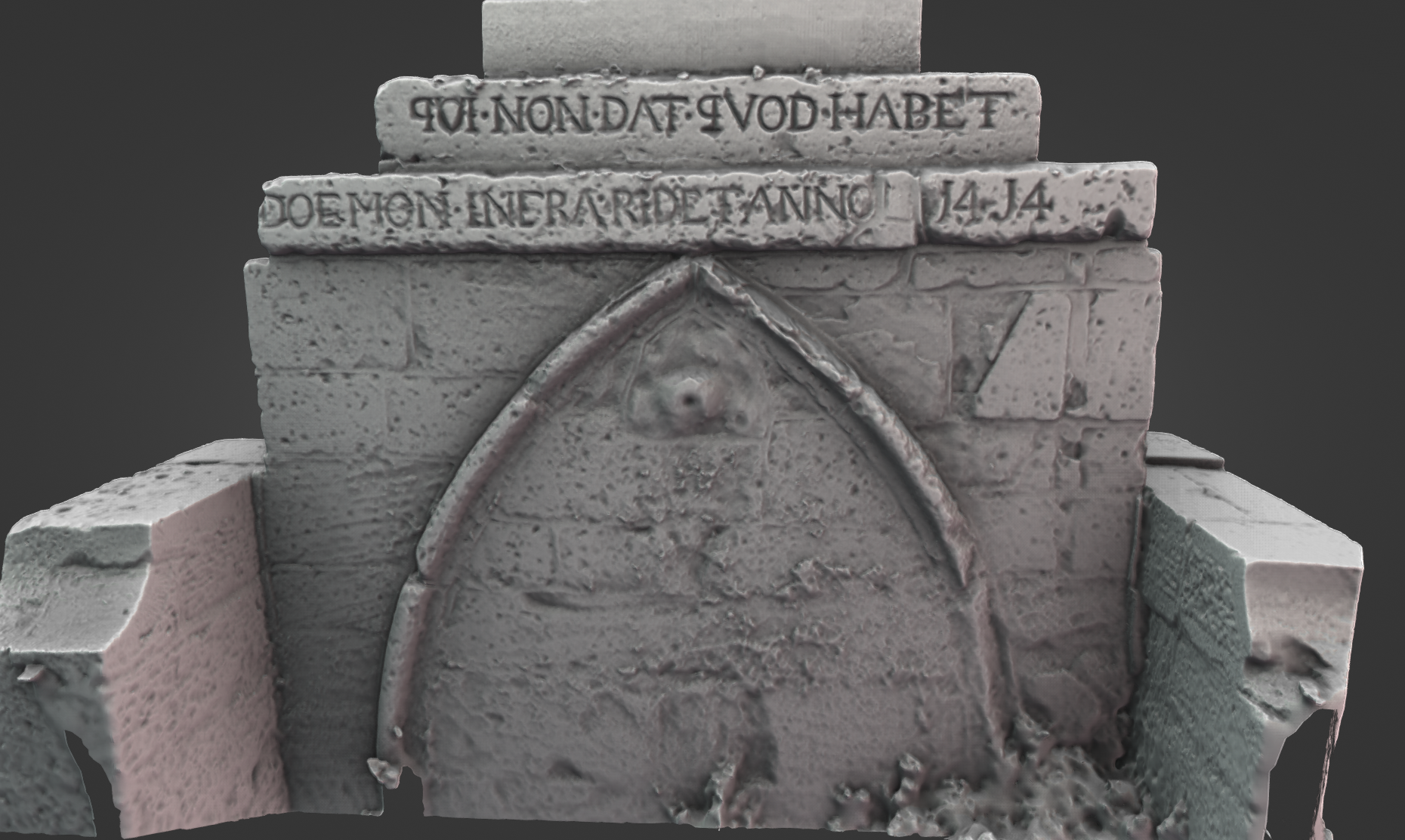
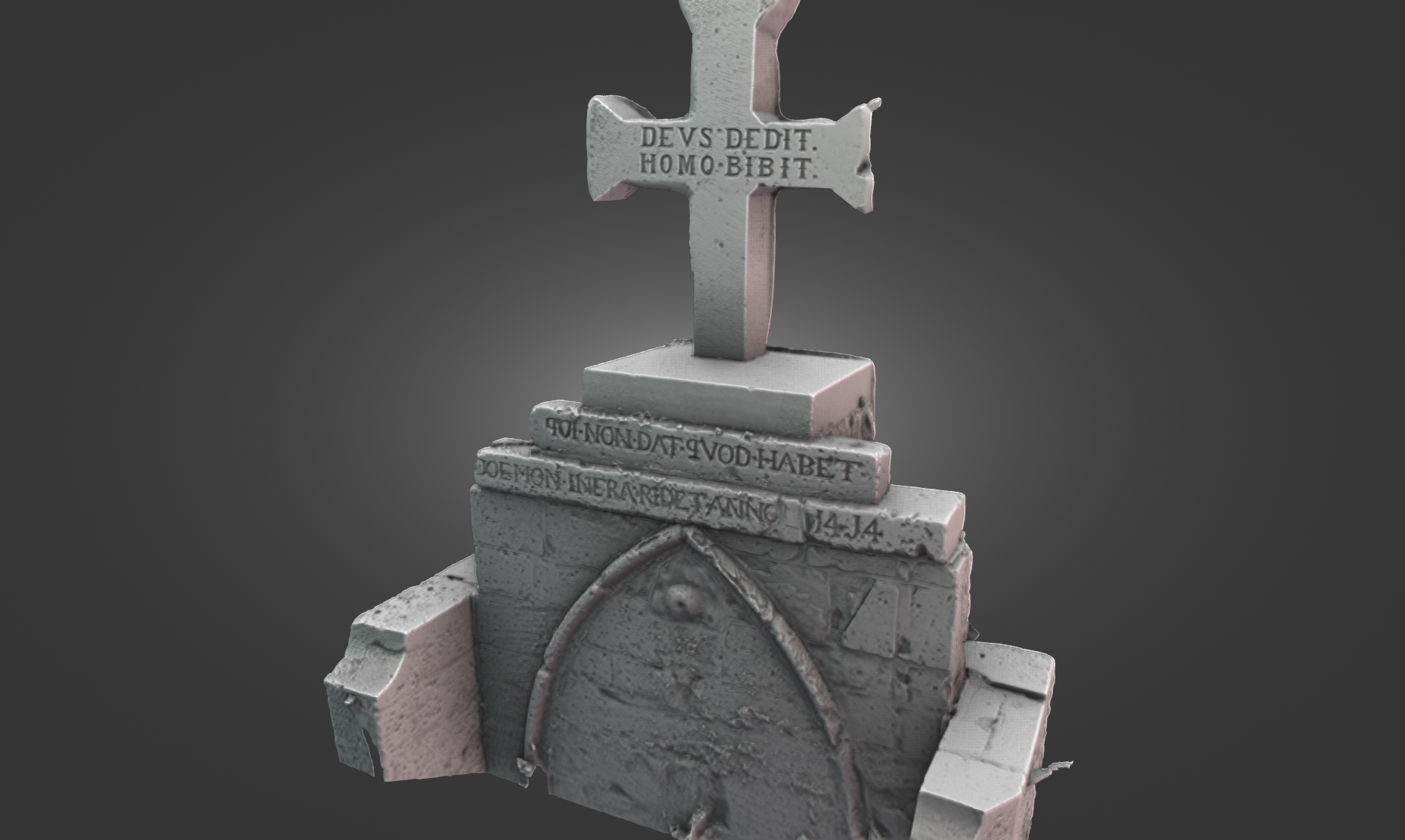
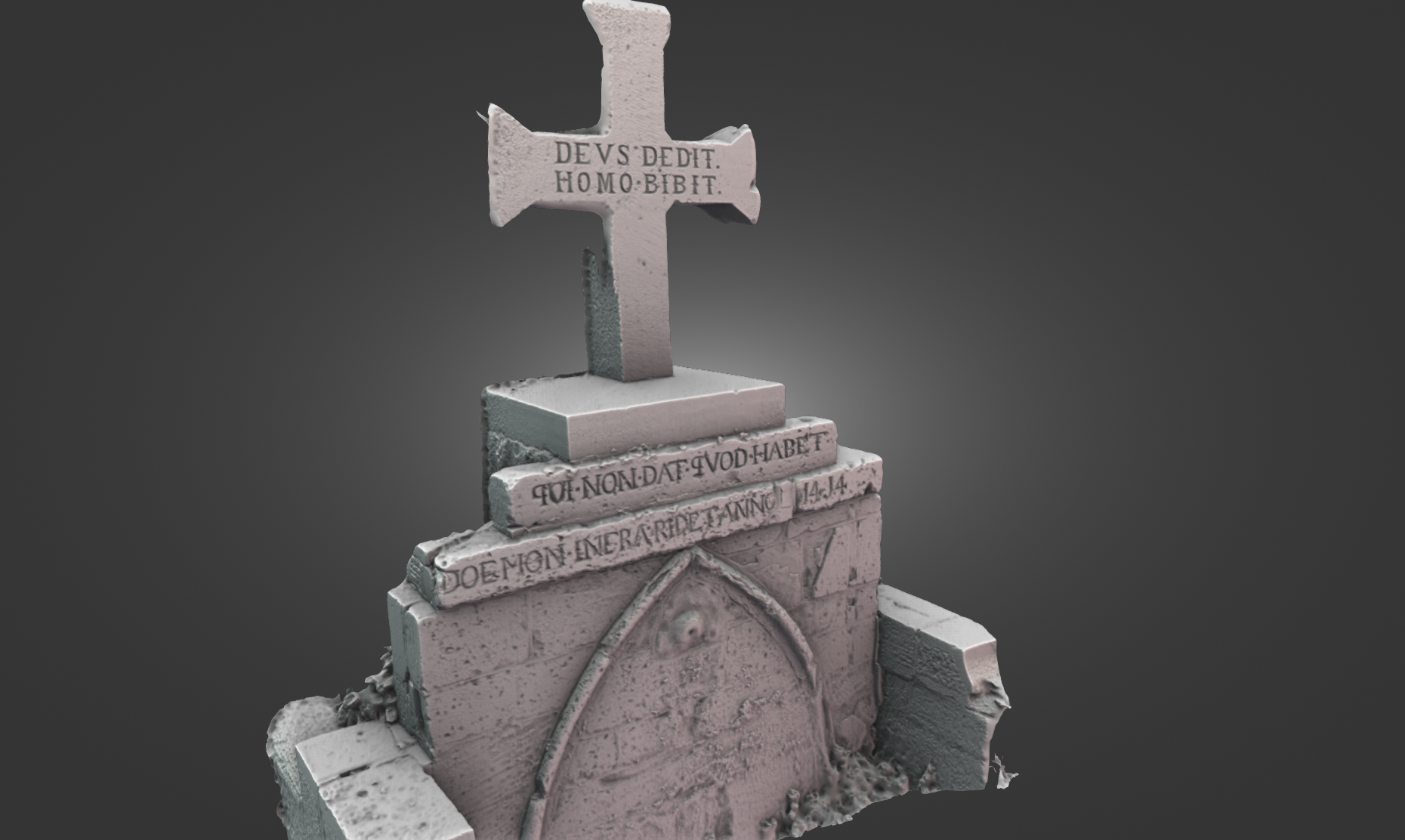
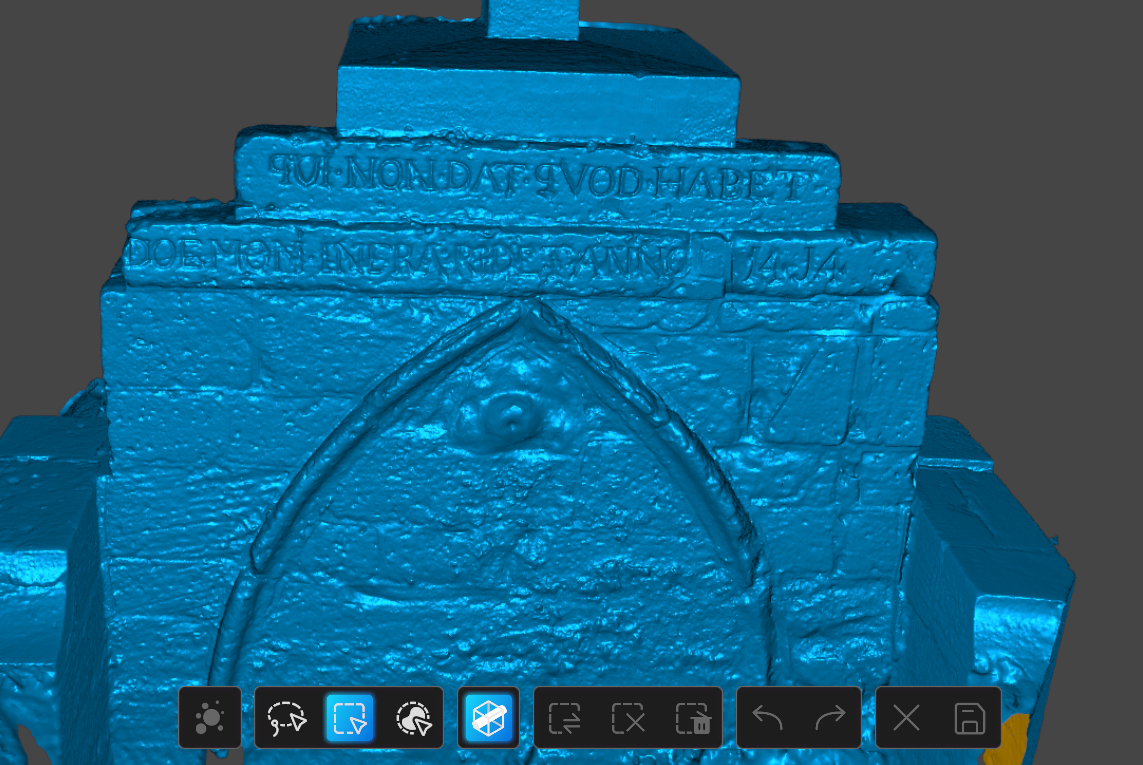
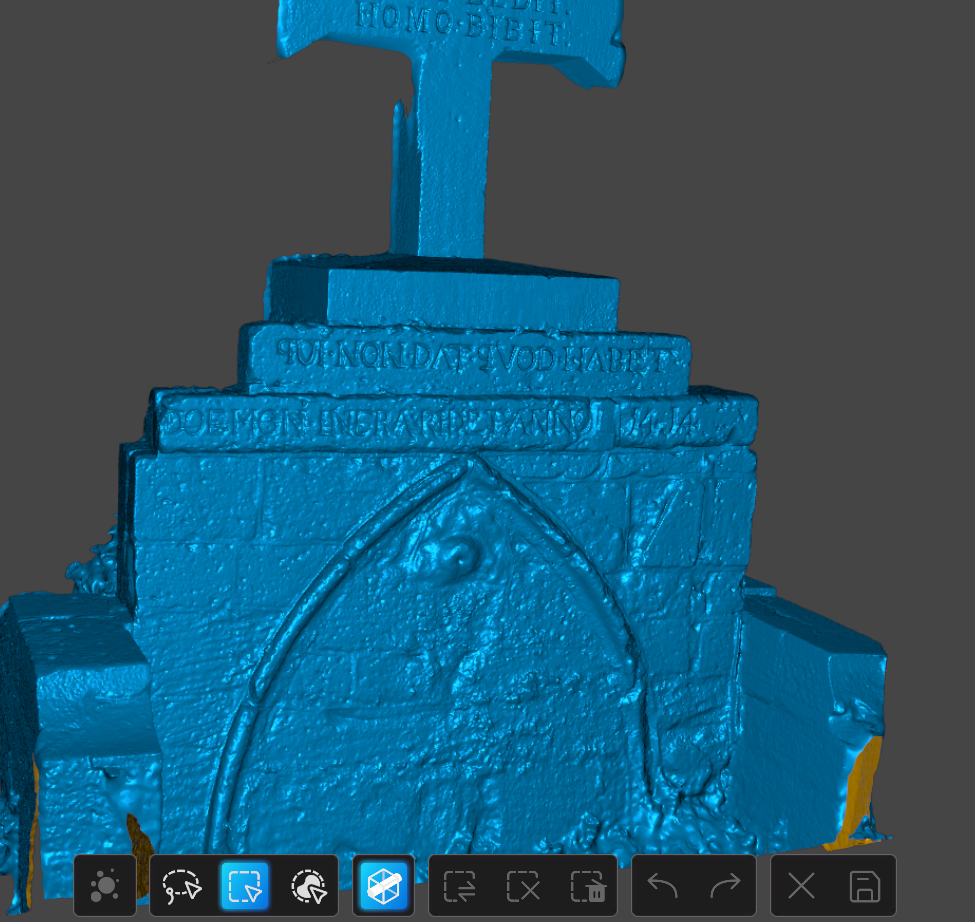
Constructed from local yellow sandstone blocks forming a rectangular structure over the original spring basin. Now dry and sealed.
Heritage Status
Designated as a Grade II listed building by Historic England. It forms a historic grouping with the adjacent 1796 octagonal Lock up.
2. The Cryptic Inscription
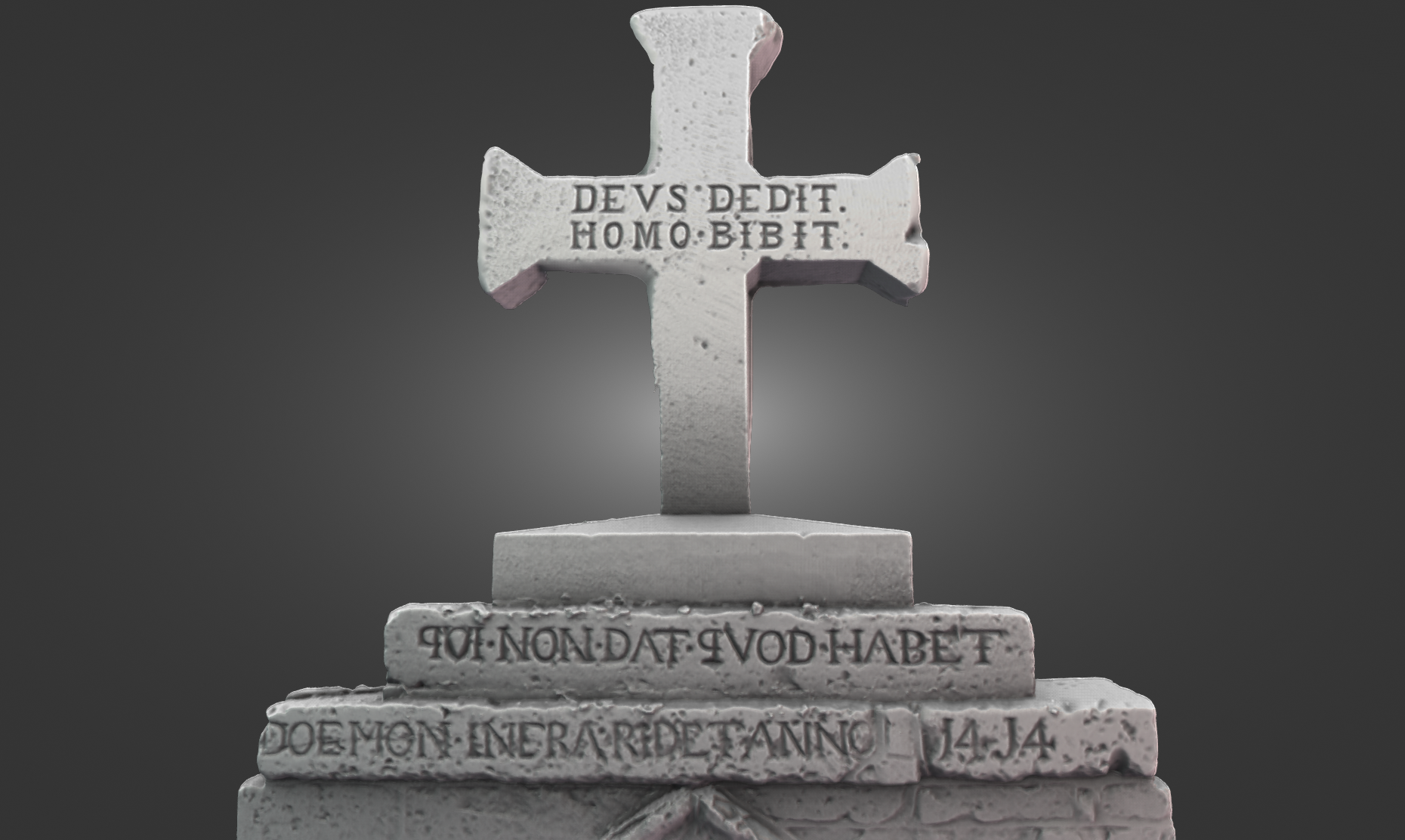
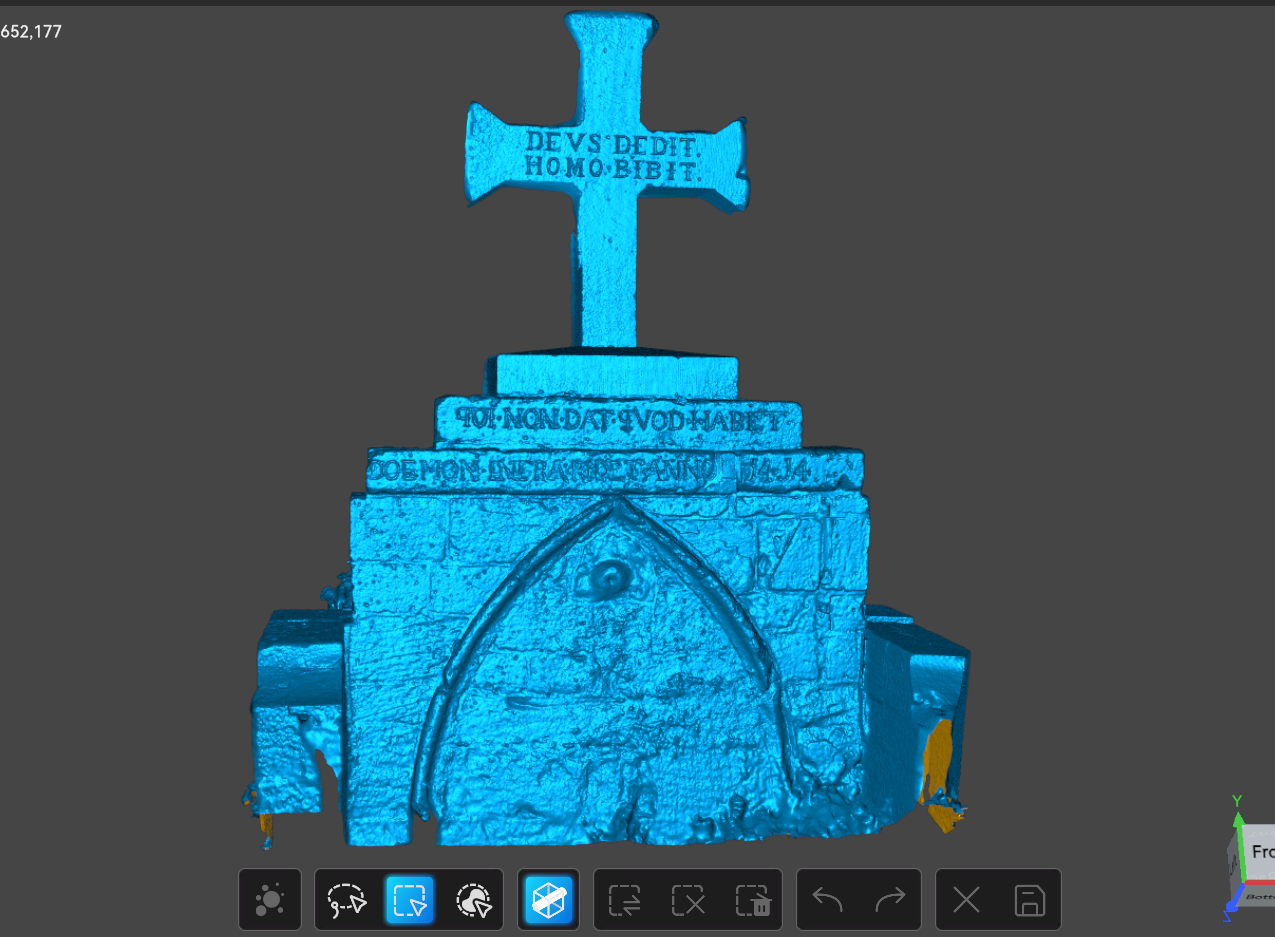
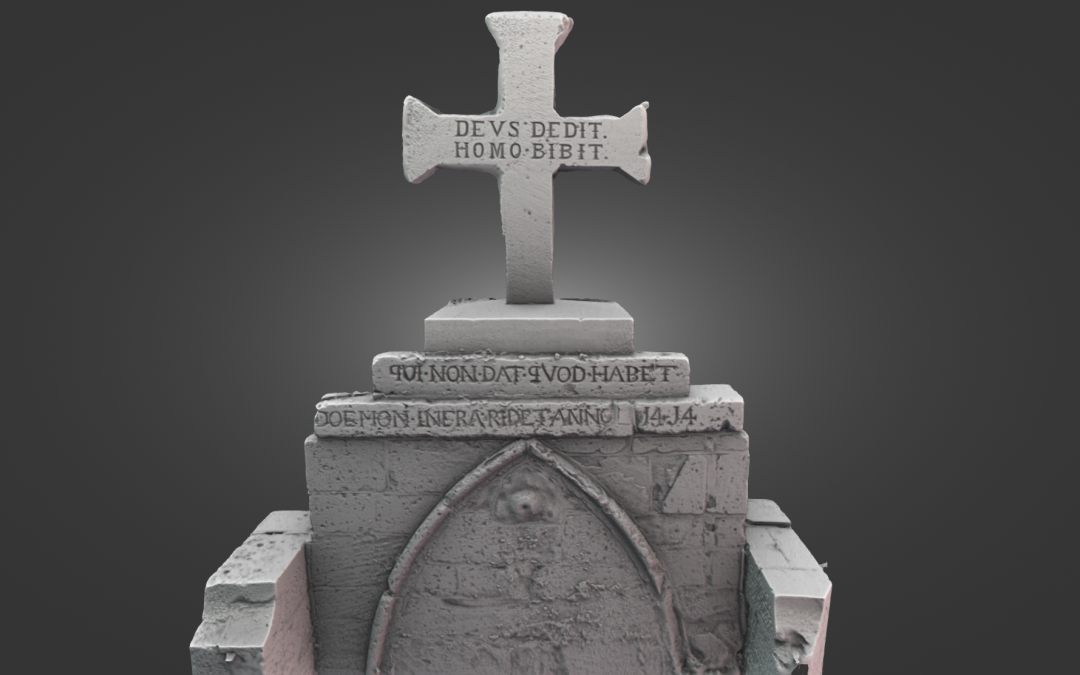
"Qui non dat quod habet, daemon infra ridet"
CARVED A.D. 1414
3. Historical Timeline
Select an Era
Click a year on the timeline to uncover the history of Wavertree's Monk's Well.
4. Comprehensive History & Lore
Origins: Monks and Mystery
The true origins of the Wavertree Monk's Well are shrouded in a blend of history and local mythology. While the inscribed date of 1414 suggests medieval origins, historical consensus leans toward the well being a crucial water source for the agricultural township of Wavertree long before that. The monk association likely stems from the broader ecclesiastical landholdings in the region. Nearby Childwall had strong church connections, and the monks of Stanlaw Abbey (who later relocated to Whalley) historically held lands across South Lancashire. It is entirely plausible that traveling clerics utilized and perhaps maintained the spring.
The 1414 Inscription: Genuine or Antiquarian?
The famous yellow sandstone blocks that cap the well bear the inscription: "Qui non dat quod habet, daemon infra ridet" alongside the date 1414. Translated, this means, "He who does not give what he has, the devil laughs below." However, historians are deeply divided on its authenticity. Many suspect the inscription is a Victorian addition. The nineteenth century saw a massive surge in antiquarianism where romanticizing the past was common. Wealthy local landowners often restored ruins by adding slightly exaggerated or entirely fabricated folklore to make them more interesting to the public.
The Devil's Curse and Travelers' Alms
Regardless of when the inscription was carved, the folklore it cemented became legendary in Liverpool. Wavertree was a prominent stopping point on the route into the burgeoning port of Liverpool. Travelers would pause at the village green to water their horses and refresh themselves. The legend dictated that it was customary to leave a small monetary offering or alms at the well in gratitude. If a traveler drank from the well but selfishly withheld their coin, the devil, who supposedly lived at the bottom of the spring, would laugh, and a curse or bad luck would befall the traveler's onward journey.
The Village Green and the Lock up
In 1796, the well gained its famous neighbor: the Wavertree Lock up (also known as the Roundhouse). This octagonal stone structure was built by the village constables to hold drunks, vagrants, and minor criminals overnight. The juxtaposition of the holy well and the secular prison in the center of the village green became the focal point of Wavertree's community life.
Decline, Cholera, and Preservation
By the mid nineteenth century, Liverpool was expanding rapidly, and Wavertree transformed from a rural village into a busy suburb. With urbanization came severe public health crises, particularly cholera. Open public wells were identified as massive health hazards. Consequently, the Monk's Well, along with many others, was condemned and eventually ran dry or was sealed off as modern piped water systems were installed. Today, the well is a dry monument, preserved on a traffic island alongside the Lock up, having received Grade II listed status in 1975 to protect it from modern road developments.
5. Visual Archive