A Day at Brickfield Pond A Scan with a Story
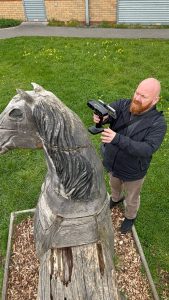
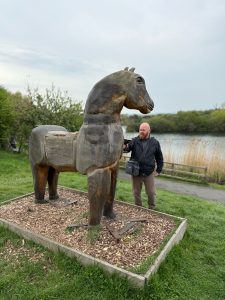
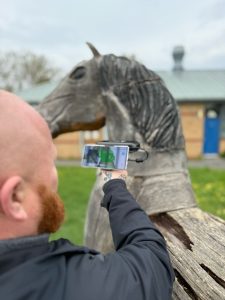
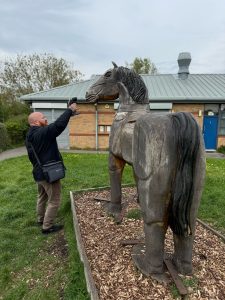
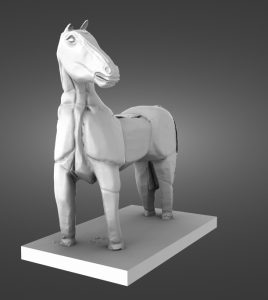
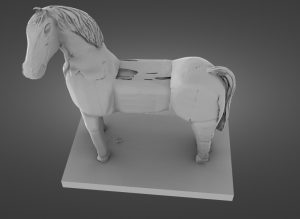
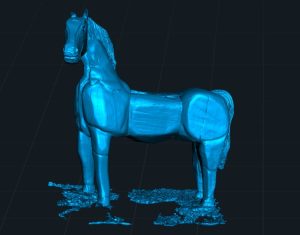
Recently, I visited Brickfield Pond in Rhyl, North Wales to scan a remarkable public artwork: a life-sized horse statue that stands close to the water’s edge. This sculpture, though beautiful, proved to be one of the most challenging 3D scans I’ve taken on to date.
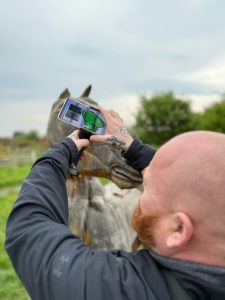
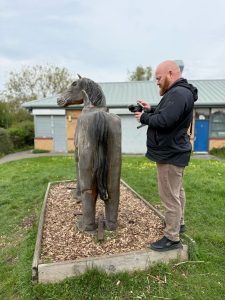
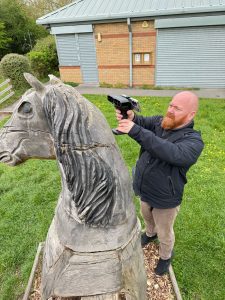
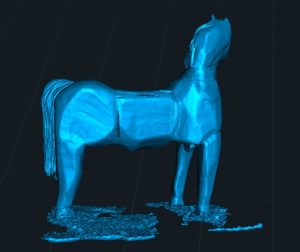
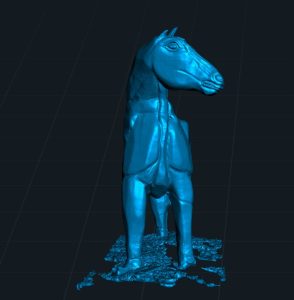
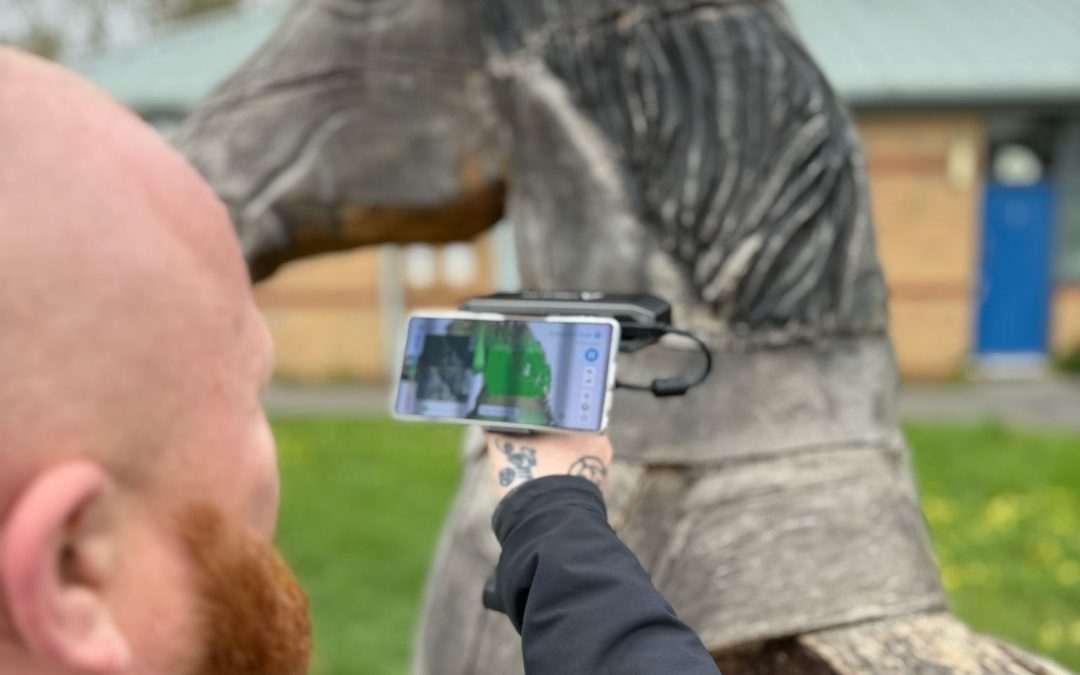
Using my Creality Otter scanner paired with the wireless bridge, I captured every detail of this wooden statue, a task made more difficult by the flat wooden surfaces which struggled to reflect data consistently. But with patience (and a lot of scanning angles) I got it done.
About the Statue
Located at Brickfield Pond, a local nature reserve once home to clay pits used in brickmaking, the horse statue represents a key piece of Rhyl's industrial past. It’s part of a public art trail that tells the story of the area's rich heritage.
The sculpture stands as a tribute to the role horses played during the 19th and early 20th centuries, when they were essential in transporting heavy clay for brick production.
Sadly, the statue is now showing significant signs of damage and deterioration. The wood is rotting in several areas and parts of the structure are weather-worn and fragile. Without major restoration efforts, I fear this incredible piece of art may not survive another year in its current state. Seeing such a beautiful wooden sculpture rot away is heartbreaking.
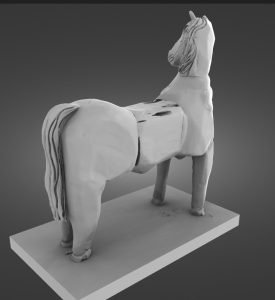
This is exactly why I do what I do. Now that I’ve captured the statue in digital 3D form, it can be preserved forever even if the physical structure disappears. Art like this deserves to be remembered.
More Than Just a Horse
This isn’t the only piece of public art at the pond. A cormorant sculpture also sits near the water, contributing to the peaceful, creative atmosphere. These artworks are designed to enhance the beauty of the area, making it a great place for locals and visitors to enjoy walking, birdwatching, and exploring local history through sculpture.
My 3D Scanning Experience
If you’ve ever tried scanning outdoor statues, you’ll know that lighting, surface material, and the shape of the artwork all play huge roles. In this case, the wooden texture and flat surfaces made it tough to get consistent tracking. I had to change angles several times and rescan portions that didn’t stitch well.
That said, the Creality Otter performed great once I got past those tricky bits. It’s scans like this that remind me why I love this hobby, turning real-world art into digital 3D models you can explore, print, and share.
Planning a Visit?
You can find more about Brickfield Pond and its history on the Rhyl Town Council Heritage page.
Take a look at some of my other scans here