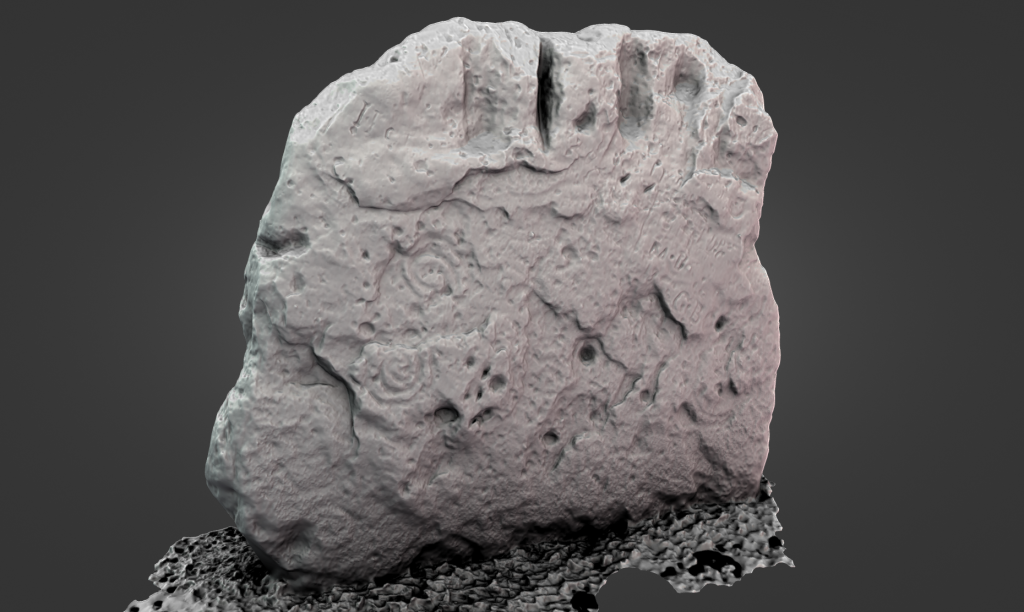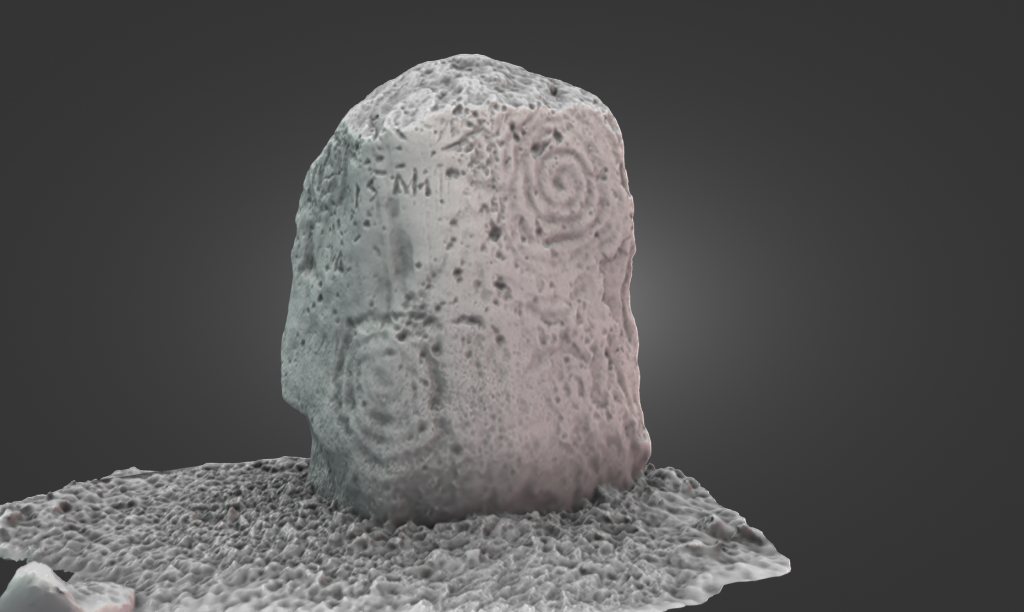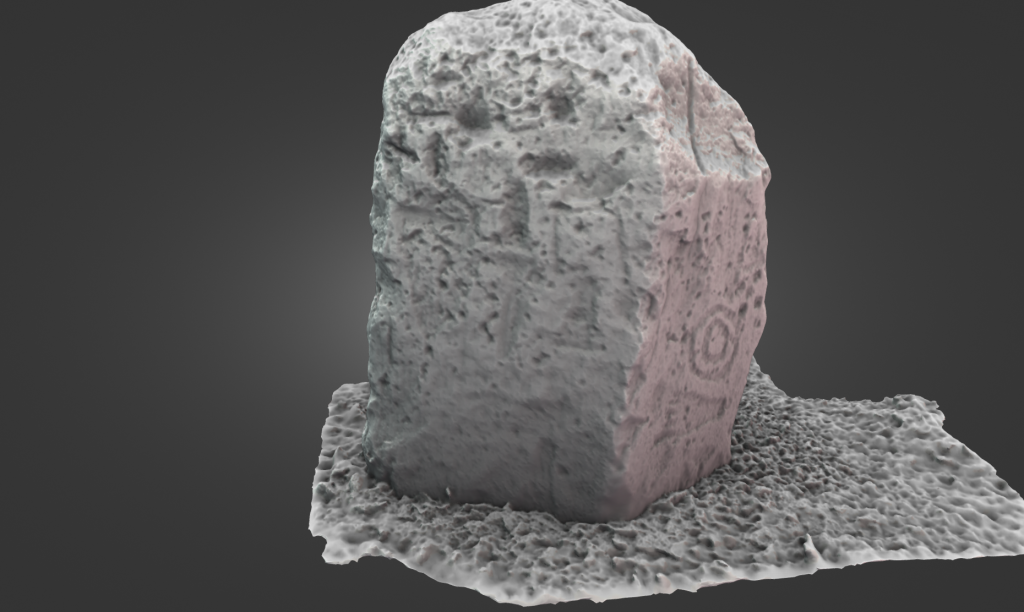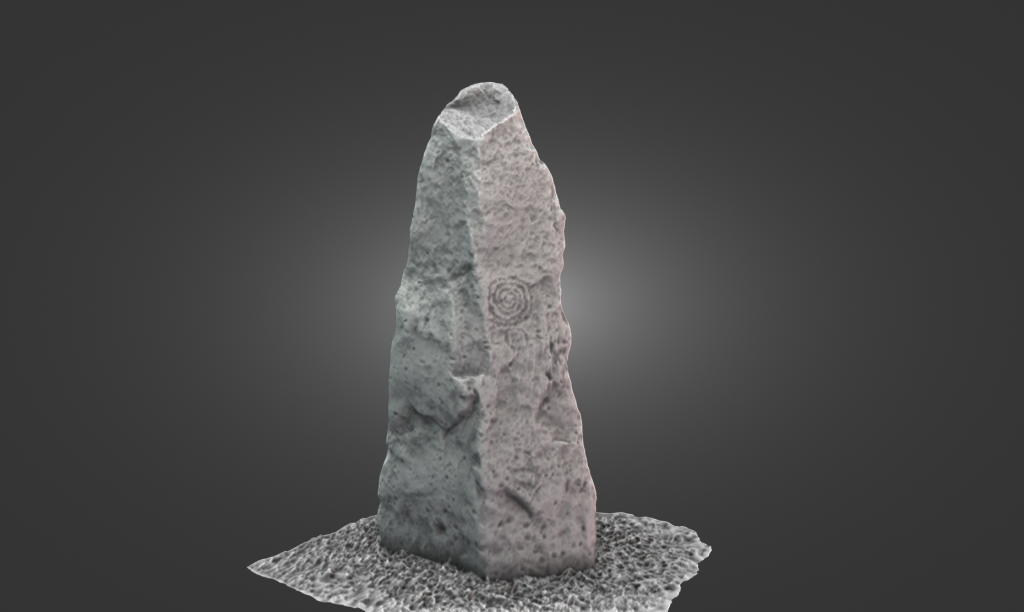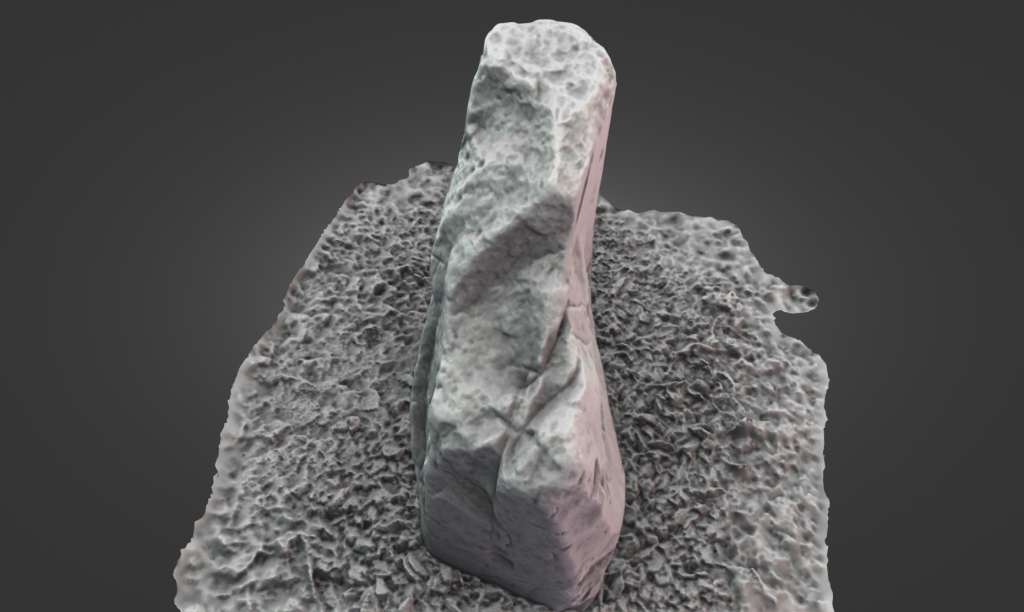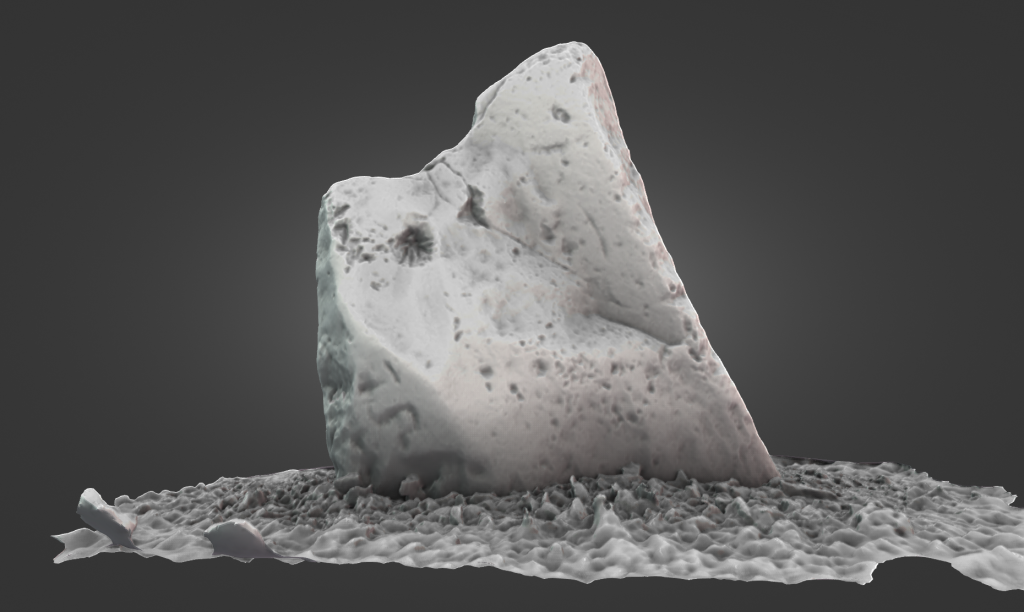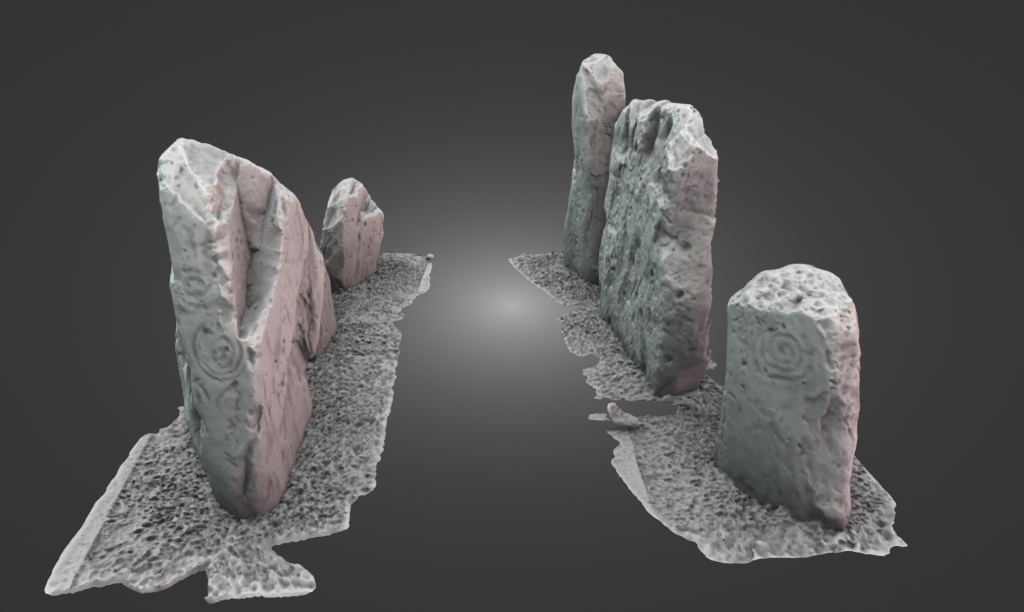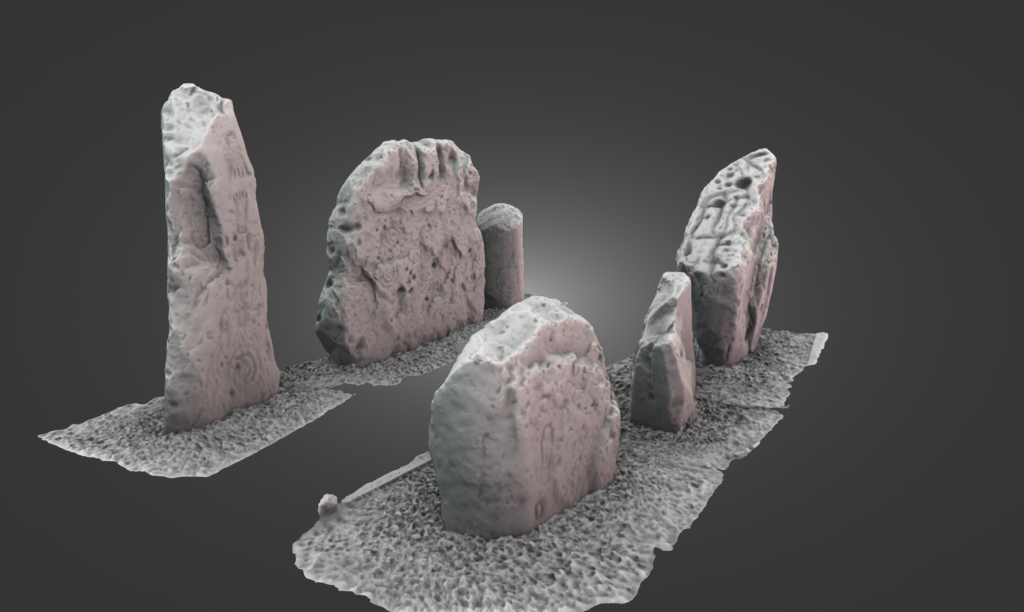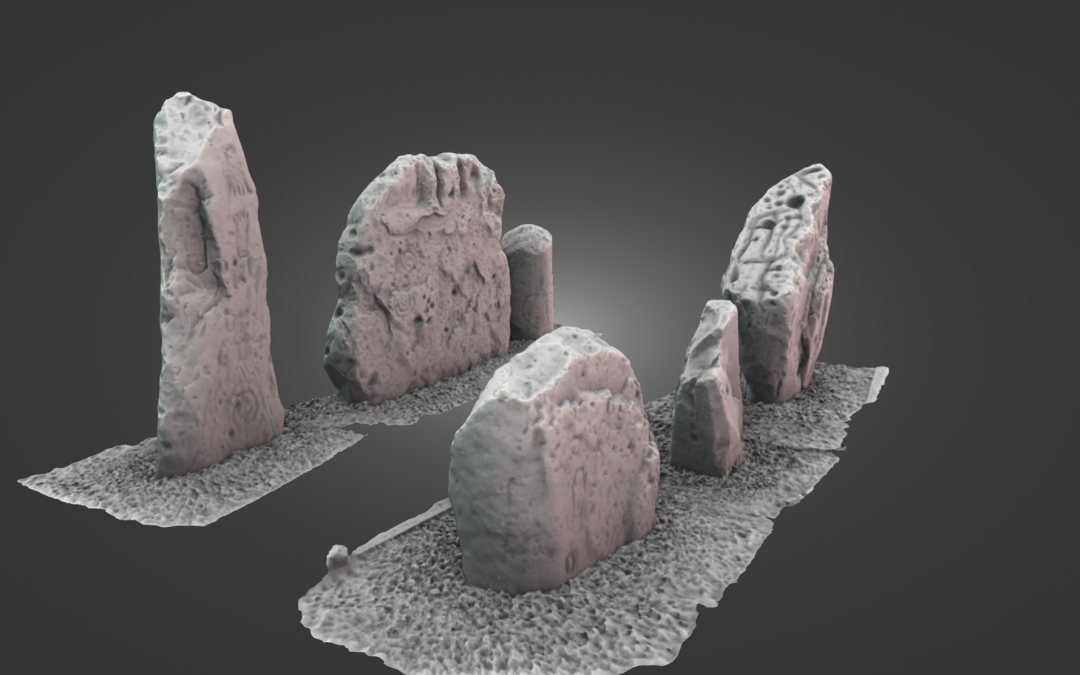
Calder Stones Liverpool.. 5,000 Year Old Neolithic Monument in Calderstones Park
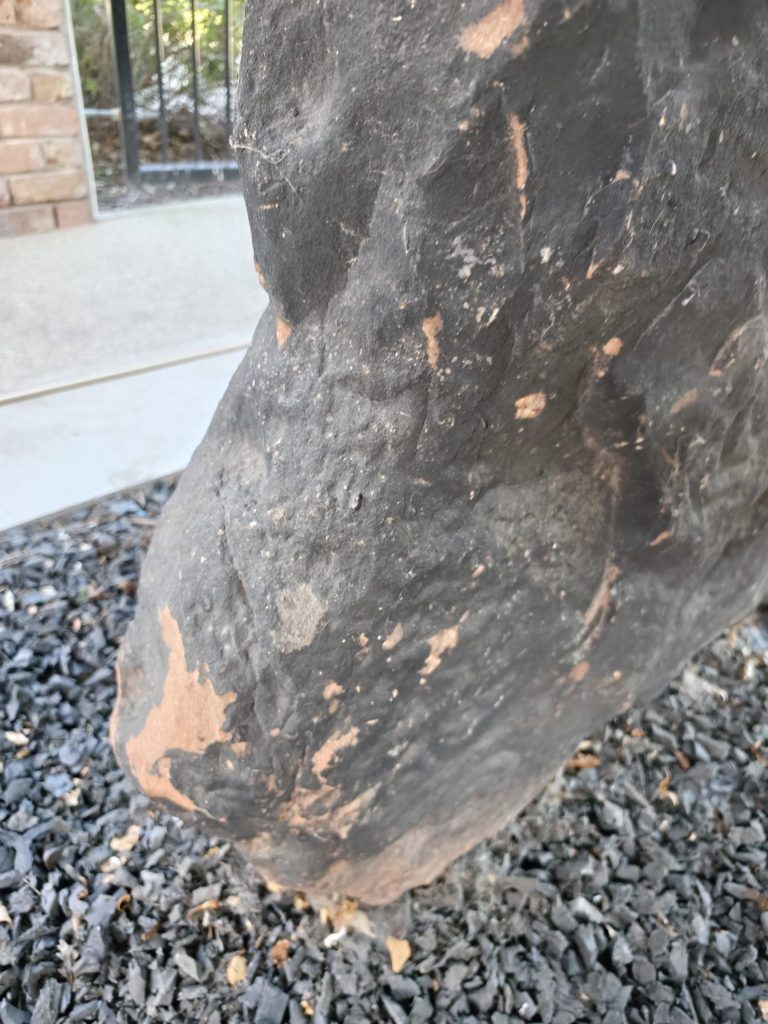
The Calder Stones in Calderstones Park, Liverpool are one of the most important prehistoric sites in the North West of England. Dating back around 4,000 to 5,000 years, these stones are the remains of a Neolithic burial chamber and are widely recognised as the oldest monument in Liverpool.
For anyone interested in Liverpool history, prehistoric Britain, archaeology, or 3D scanning, the Calder Stones offer a rare combination of deep historical significance and detailed surface features.
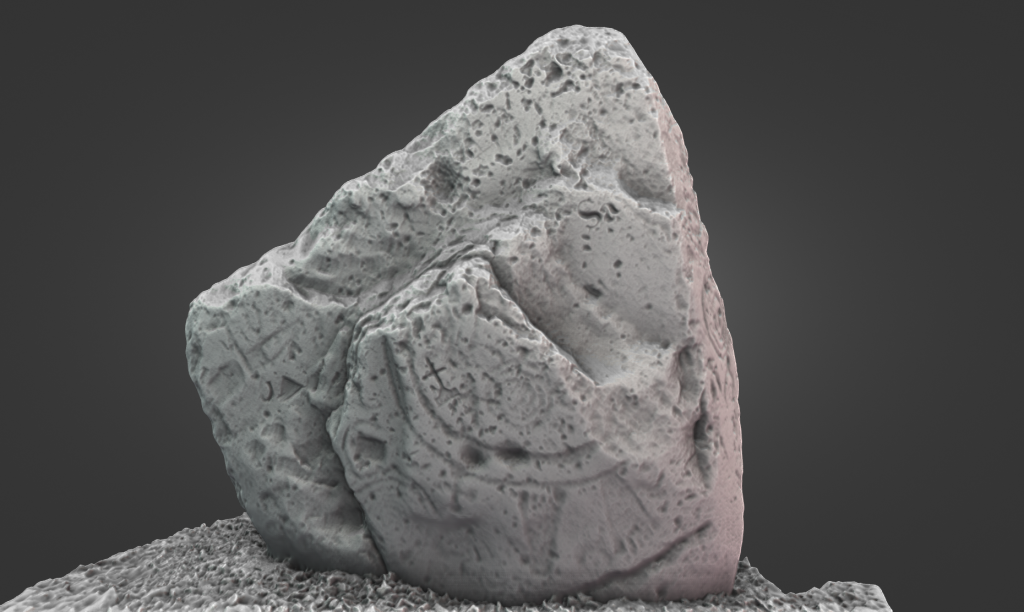
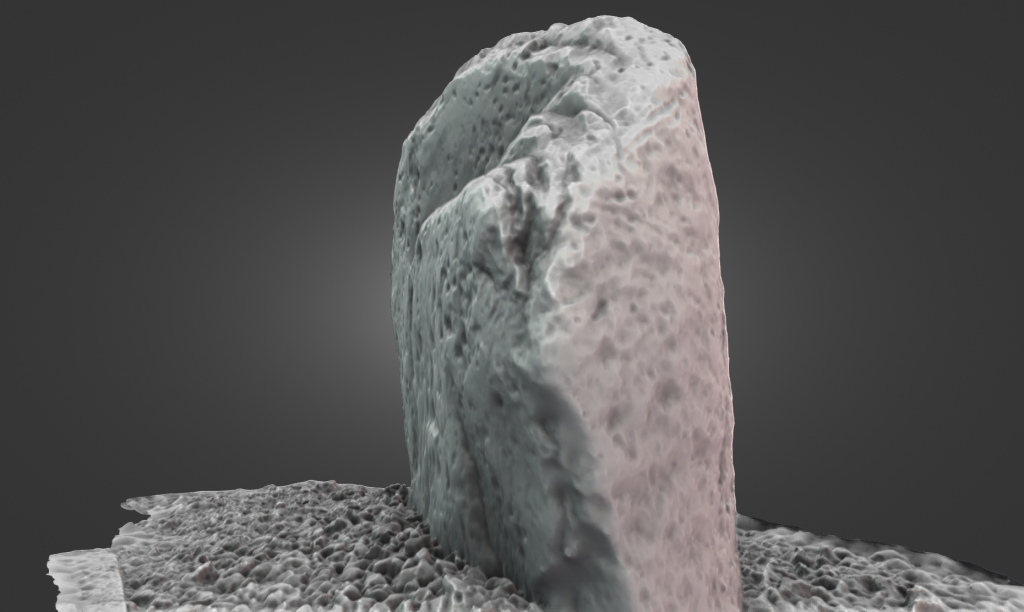
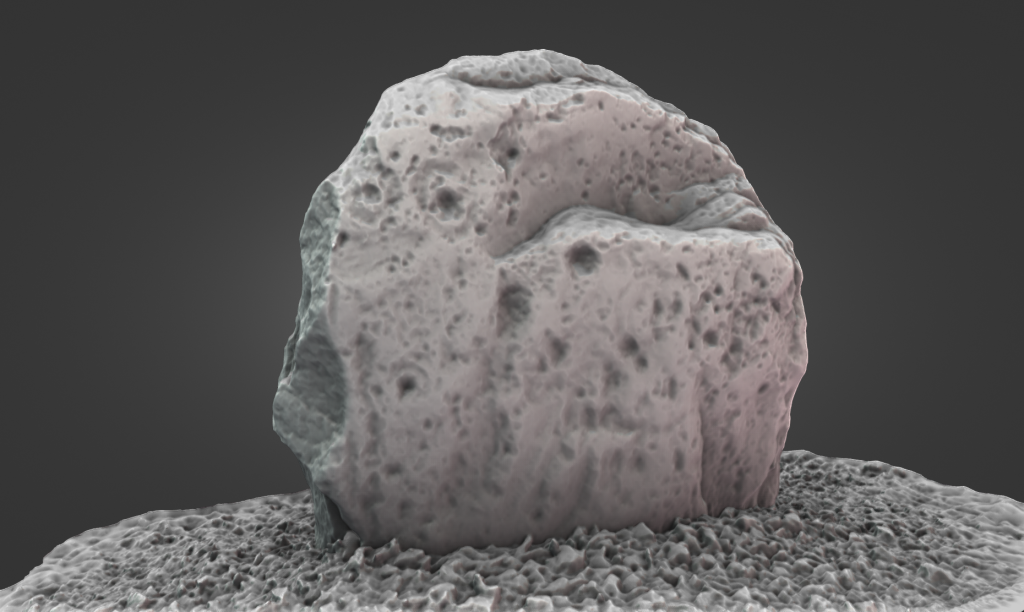
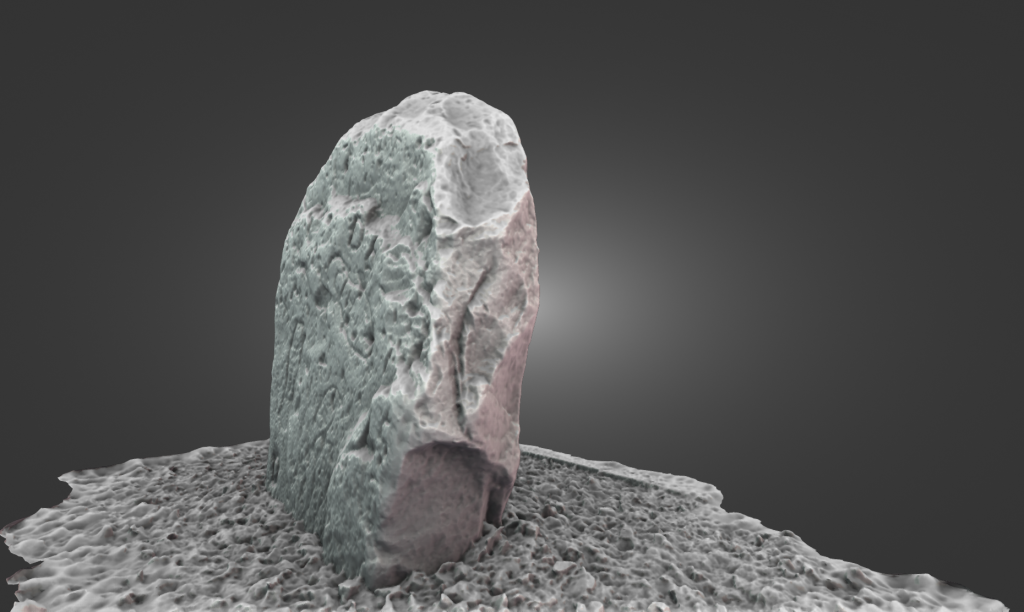
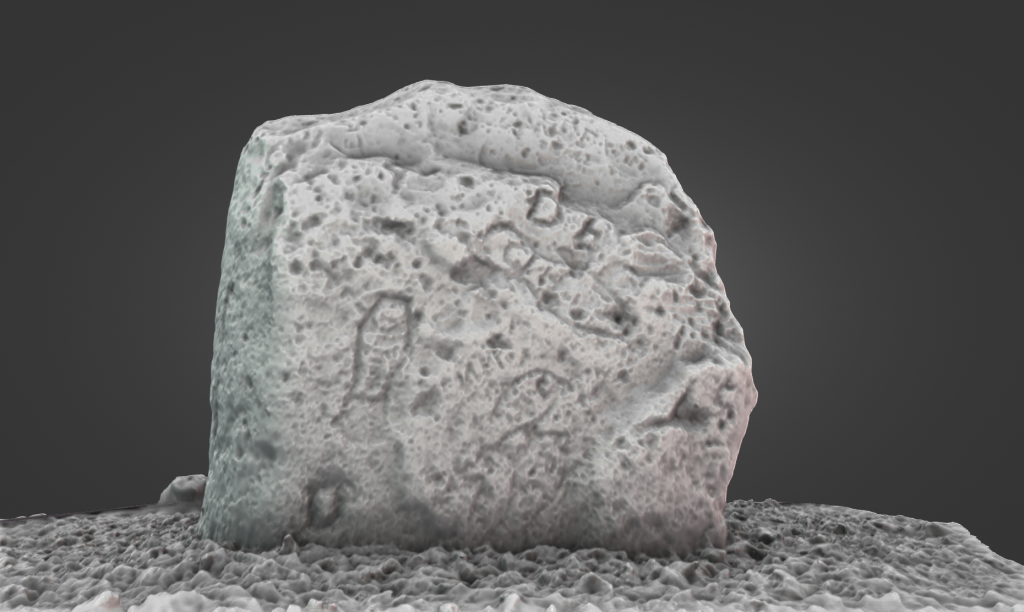
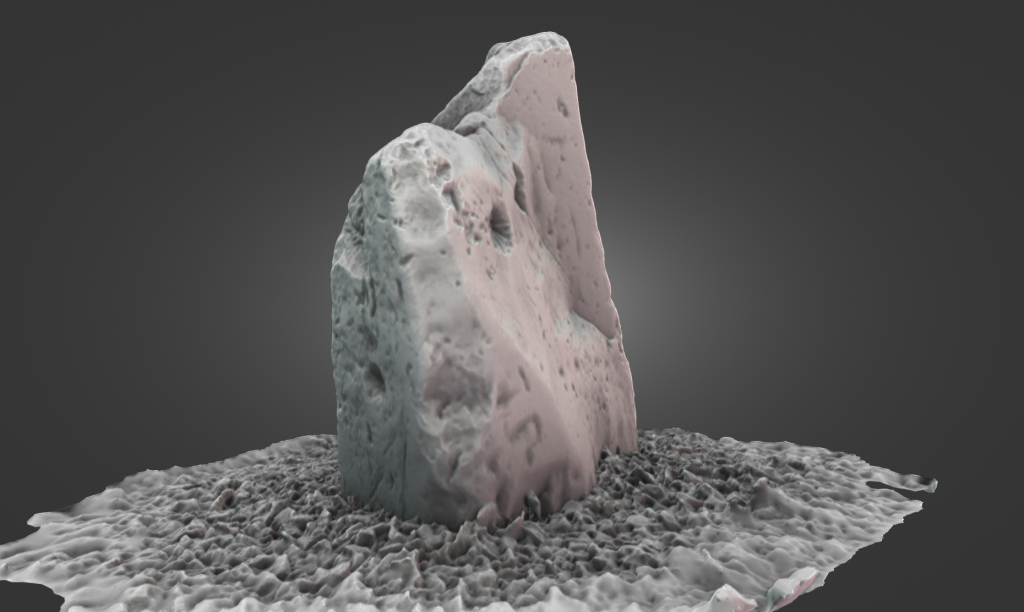
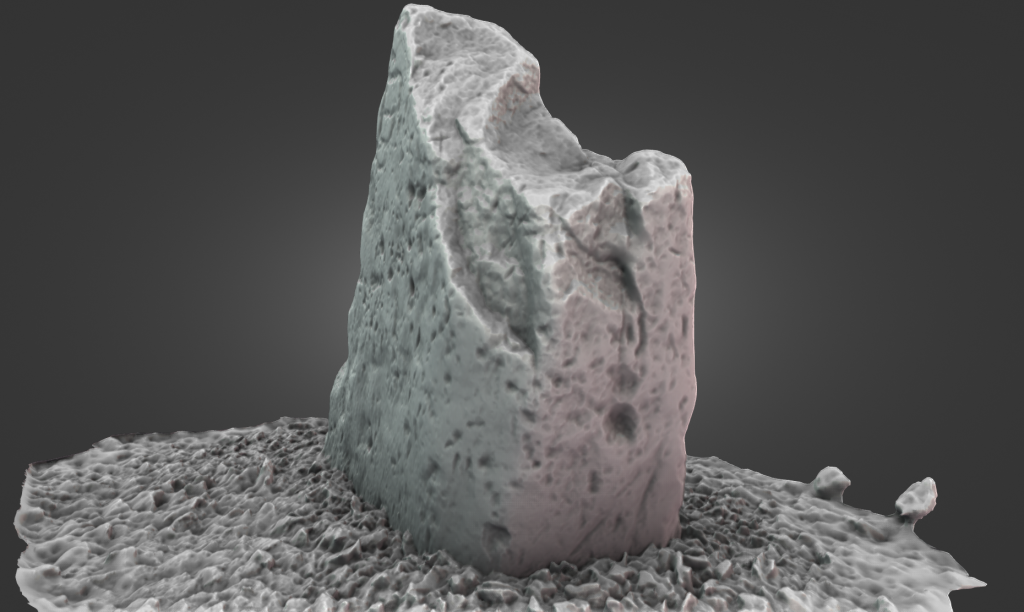
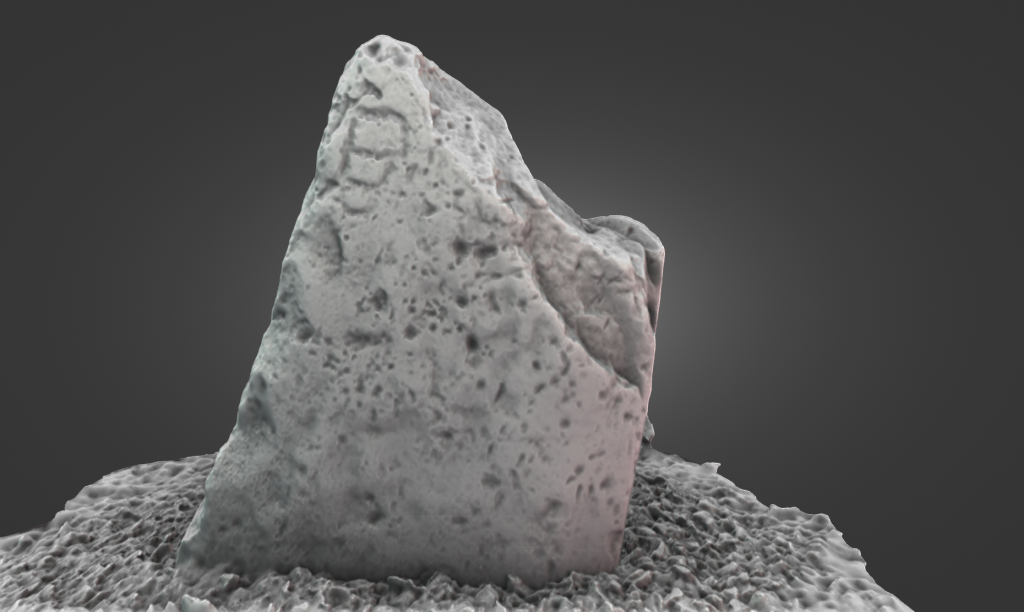
What Are the Calder Stones
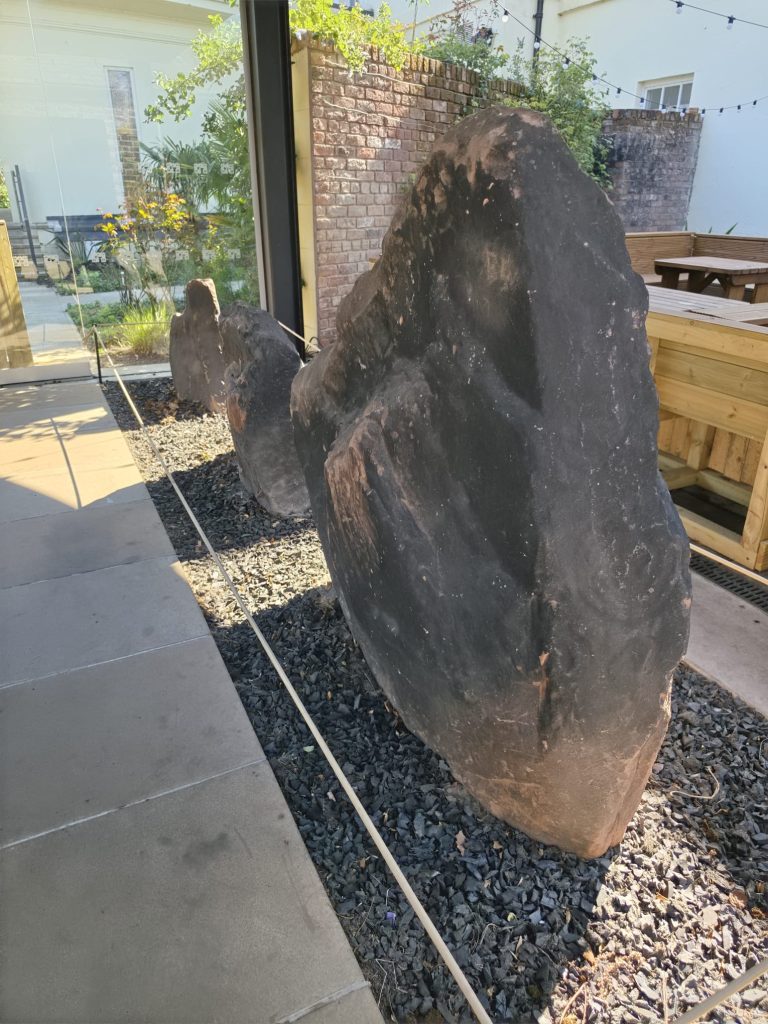
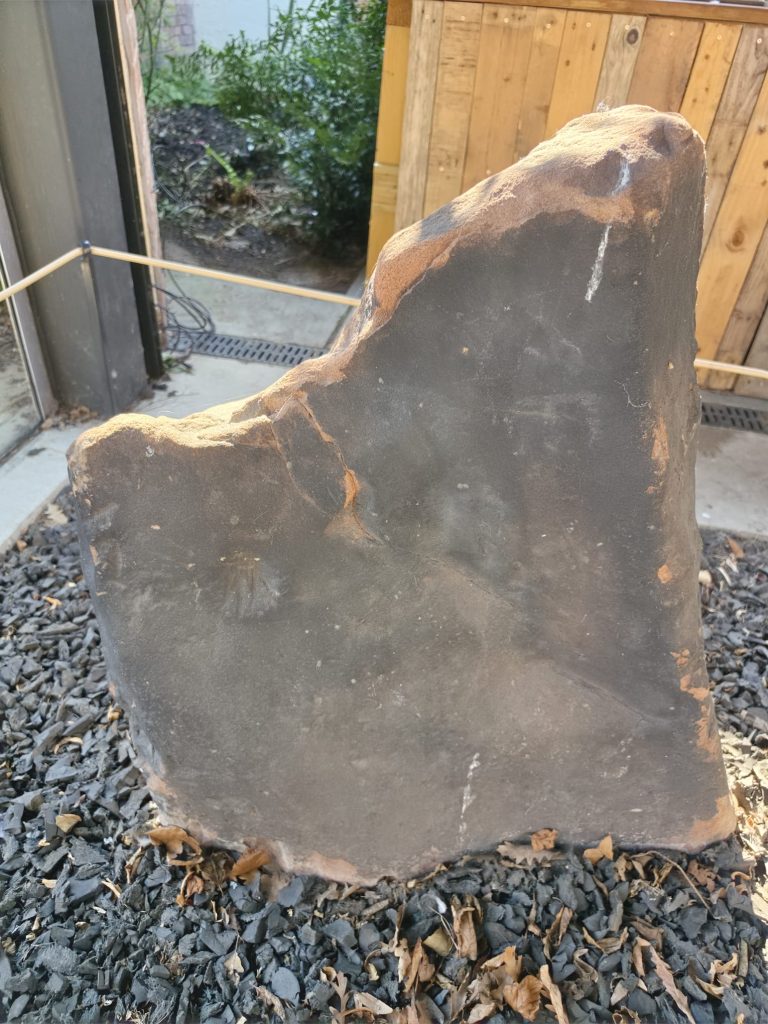
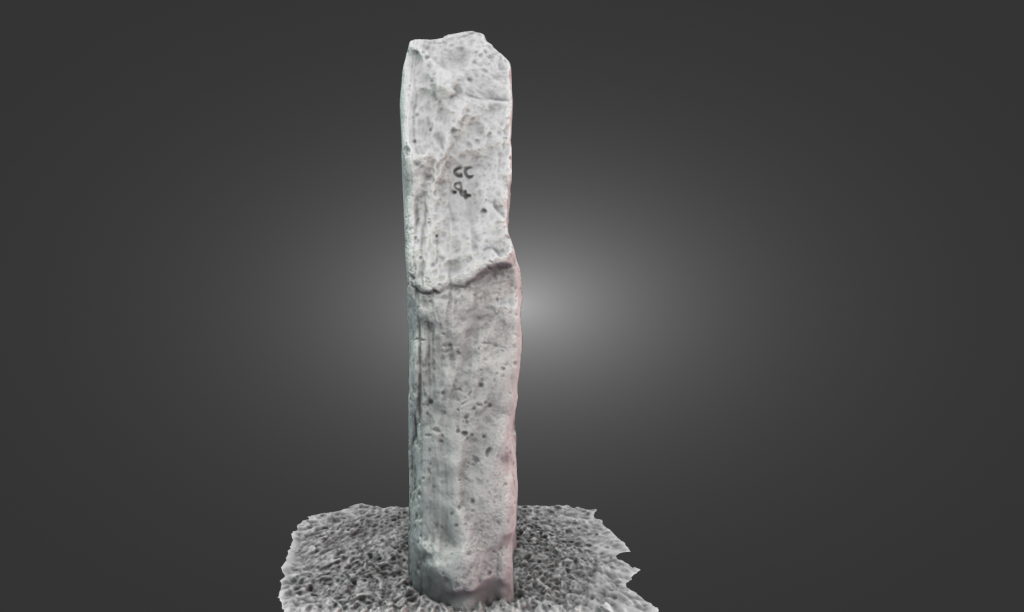
The Calder Stones are a group of six carved sandstone blocks that originally formed part of a Neolithic passage grave. This type of monument was built by early farming communities and used as a communal burial site over long periods of time.
Originally, the structure would have included:
- A large earth mound covering the tomb
- A stone-lined entrance passage
- A central burial chamber formed by the stones
Over time, the mound was destroyed and the structure dismantled, leaving only the carved stones that survive today.
Calder Stones History.. From Prehistoric Tomb to Modern Liverpool
The history of the Calder Stones in Liverpool spans thousands of years and multiple phases of use.
Neolithic period (around 3000 BC)
The stones were first used as part of a burial chamber. Human remains and burial urns discovered in the 19th century confirm that the site was used repeatedly over generations, making it a shared ancestral burial space.
Bronze Age
Additional carvings were added to the stones, suggesting the site remained important long after its original construction.
Medieval period
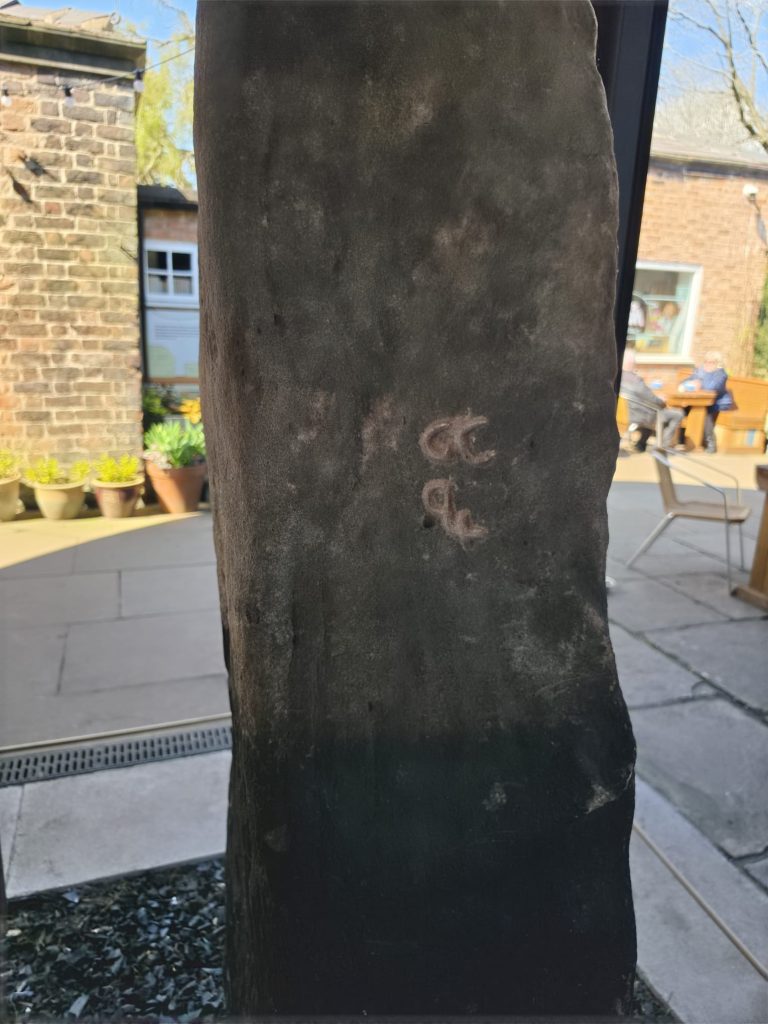
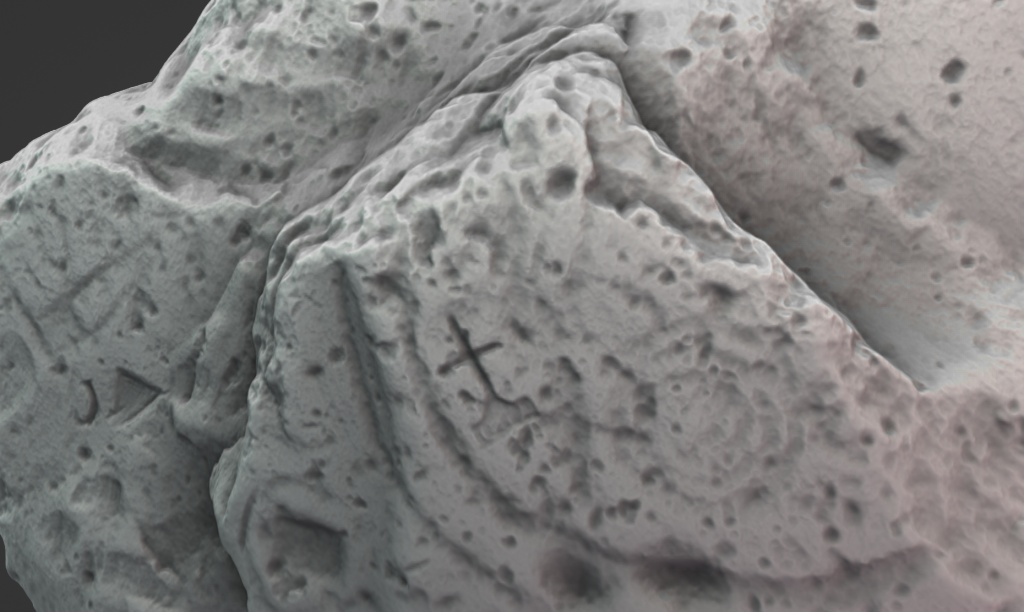
Symbols such as crosses were carved into the stones, showing continued interaction with the site centuries later.
19th century destruction
The original burial mound was completely removed during landscaping and development. The stones were taken out of their original positions, and archaeological finds including bones and urns were uncovered.
20th and 21st century preservation
The stones were moved several times before being placed into protective structures. Today, they are preserved and displayed at Calderstones Mansion within Calderstones Park.
Calder Stones Carvings Explained
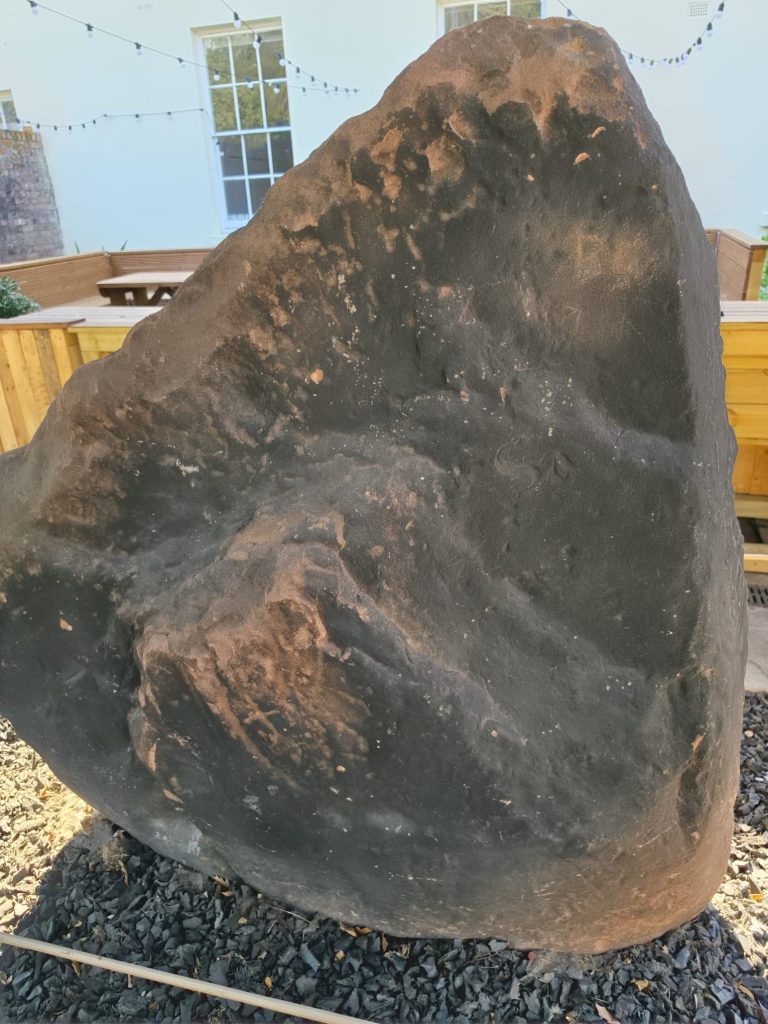
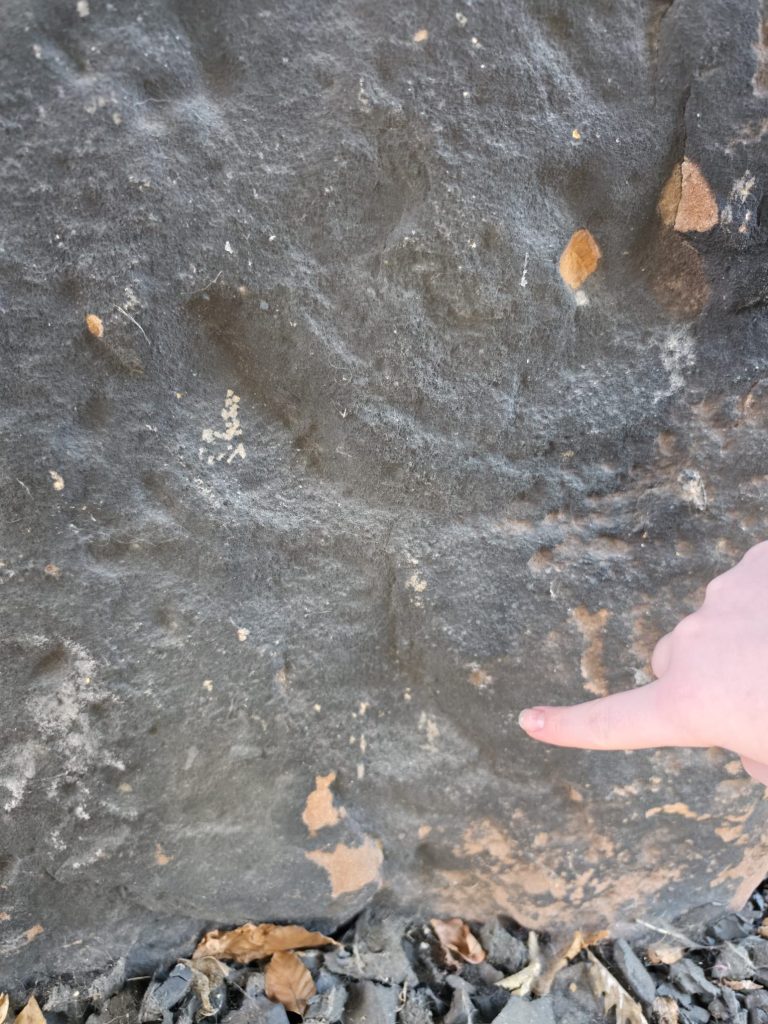
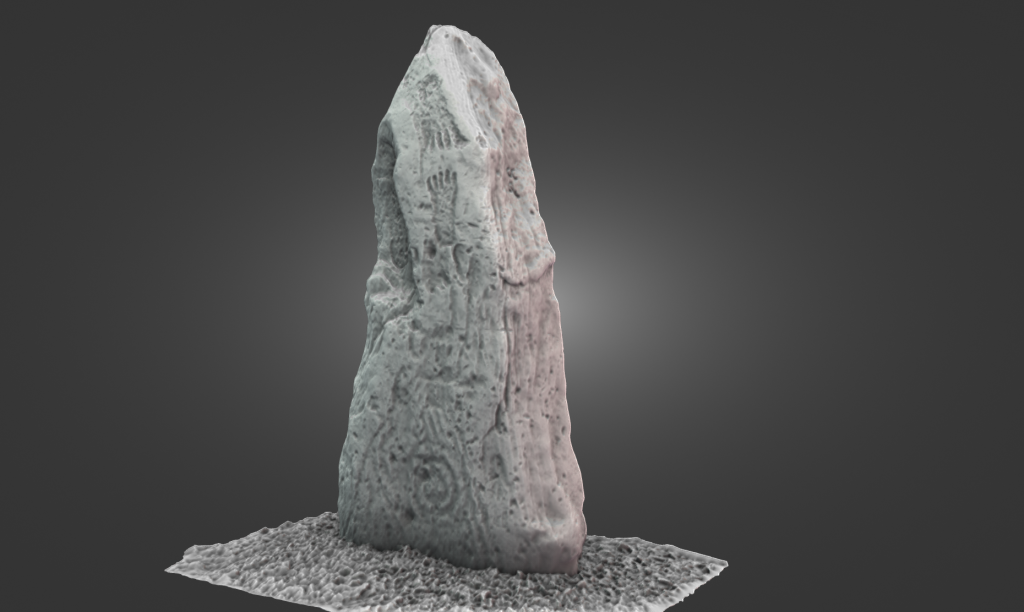
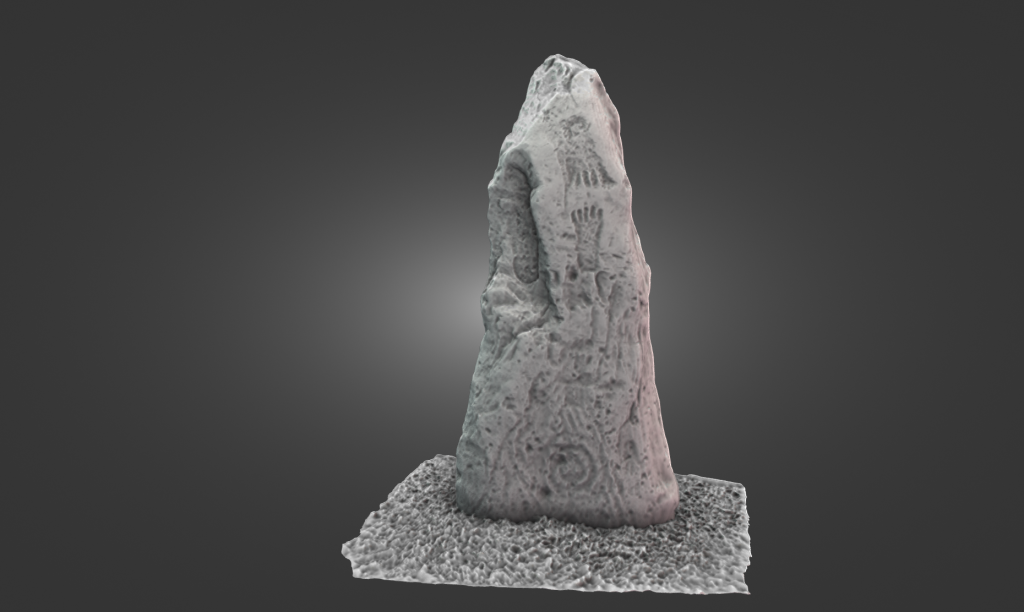
The carvings on the Calder Stones are one of their most important features and a key reason they are studied today.
Neolithic carvings
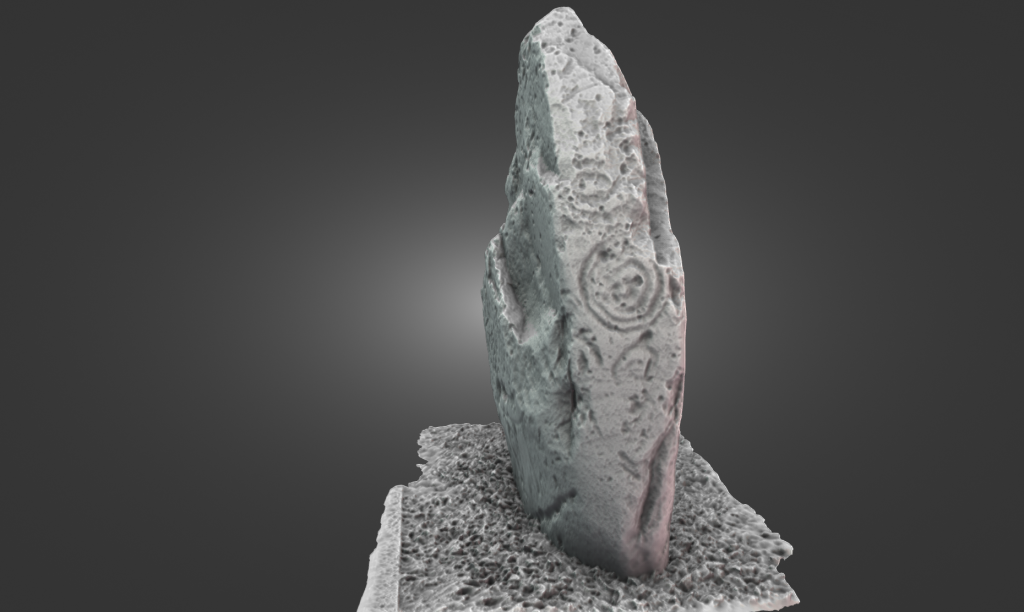
- Spirals
- Concentric circles
- Linear grooves
These are believed to be symbolic and may relate to ritual practices or early forms of communication.
Bronze Age carvings
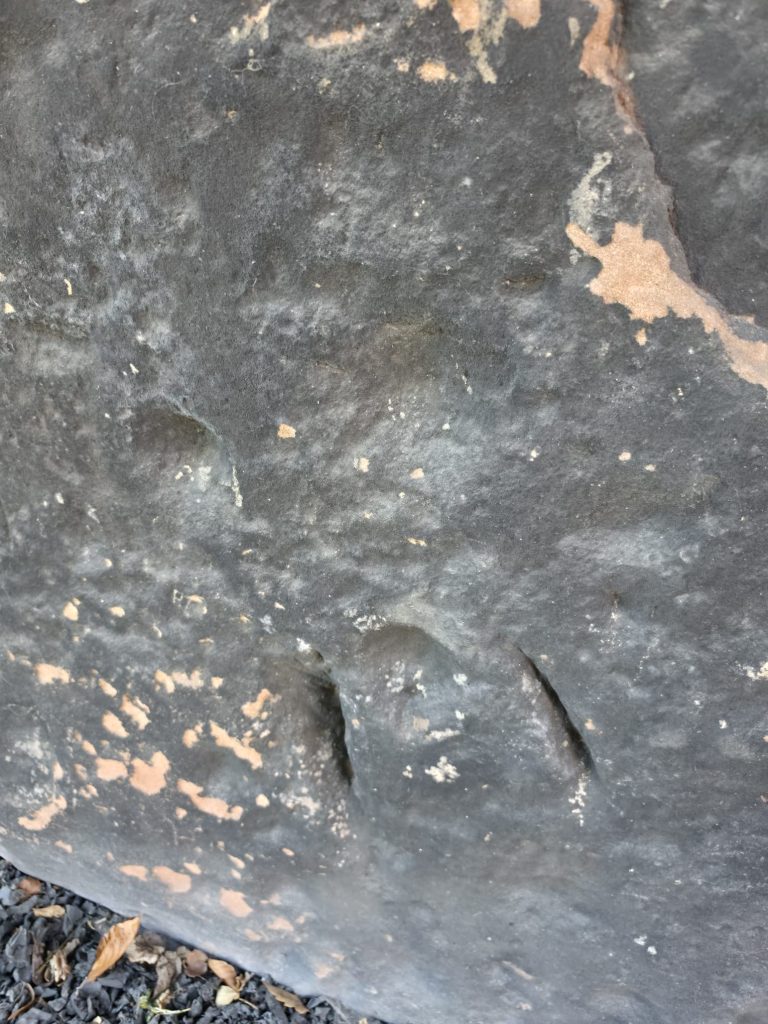
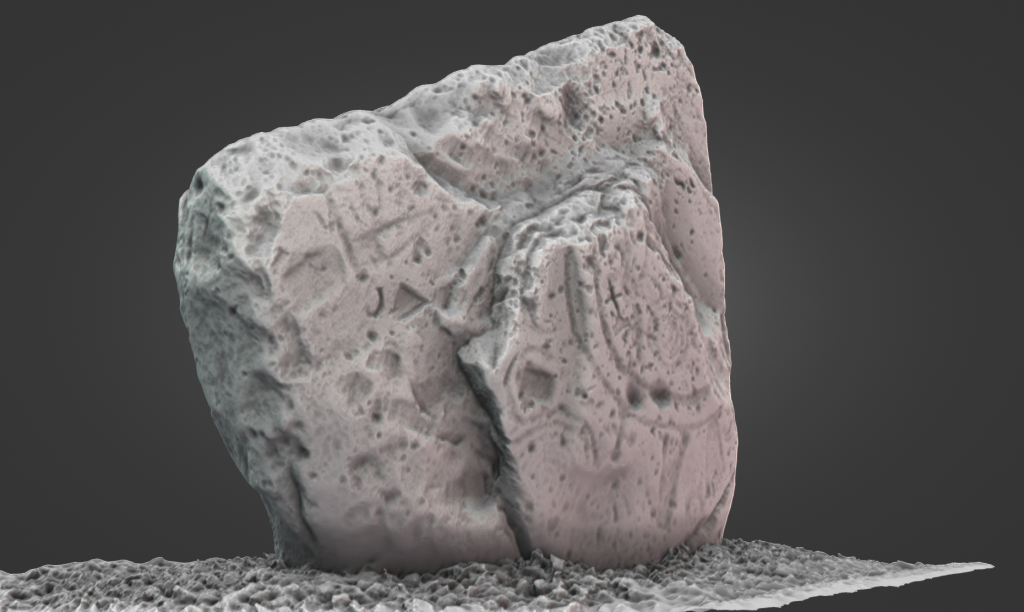
- Cup marks
- Cup-and-ring patterns
- Footprint carvings
These additions suggest continued use or reverence of the site over time.
Later carvings
- Medieval crosses and symbols
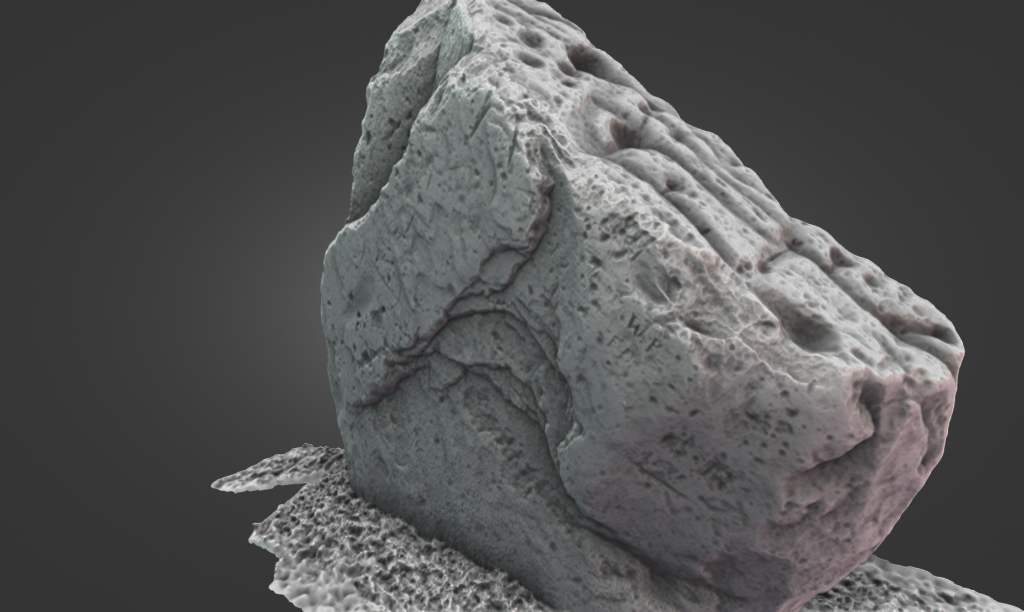
- Victorian graffiti
This layering of carvings makes the Calder Stones a rare example of continuous human interaction across thousands of years.
Connections to Other Prehistoric Sites
The carvings found on the Calder Stones are similar to those seen at other major prehistoric locations, including Newgrange in Ireland and Bryn Celli Ddu in Anglesey.
These similarities suggest that the people who created and used this site were part of a wider prehistoric culture, sharing ideas and symbolic traditions across regions.
Geological Age of the Calder Stones
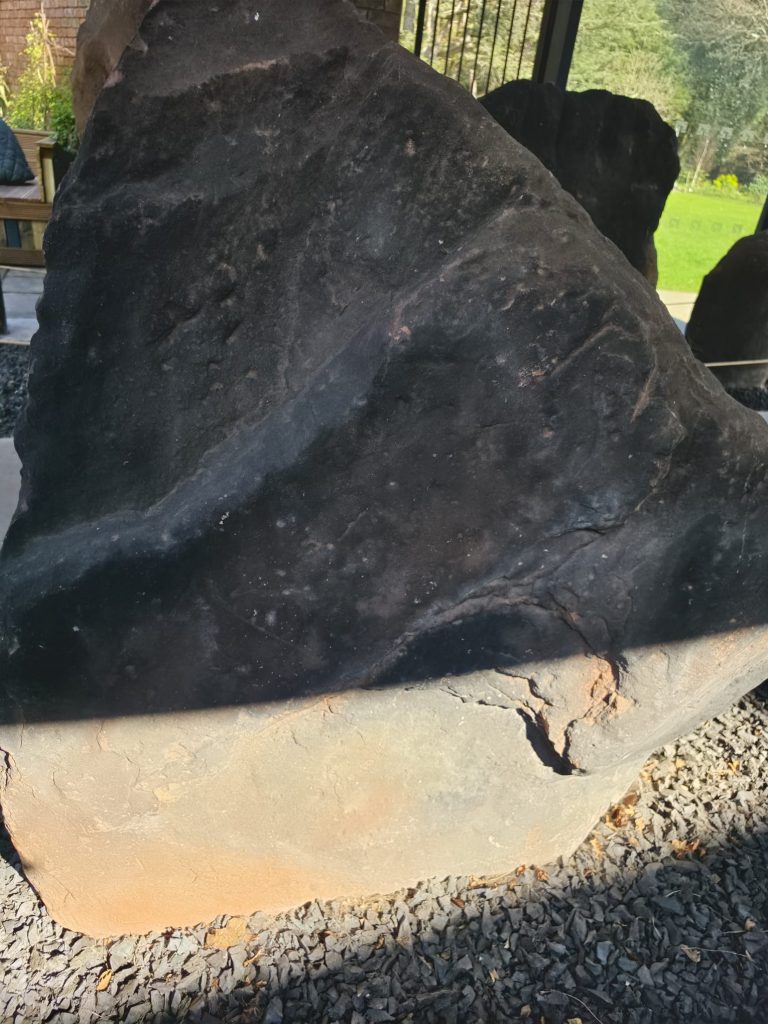
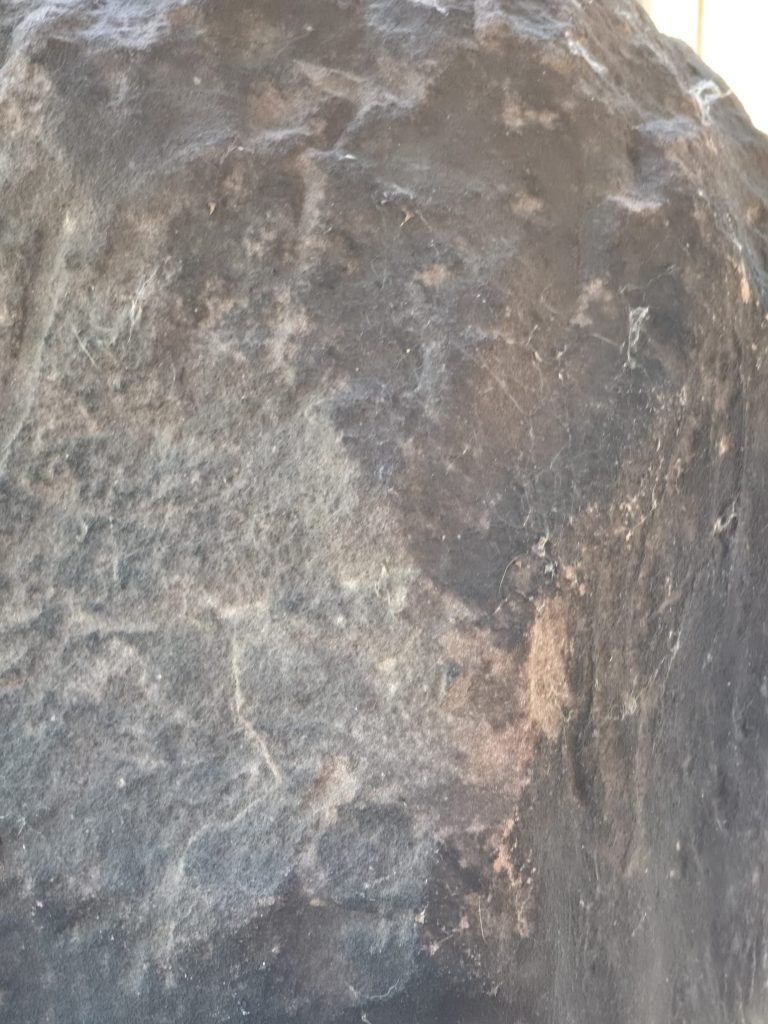
While the carvings date back around 5,000 years, the sandstone itself is far older. The stones are made from local red sandstone formed approximately 230 to 260 million years ago, during a period when this region was covered by desert conditions.
3D Scanning the Calder Stones
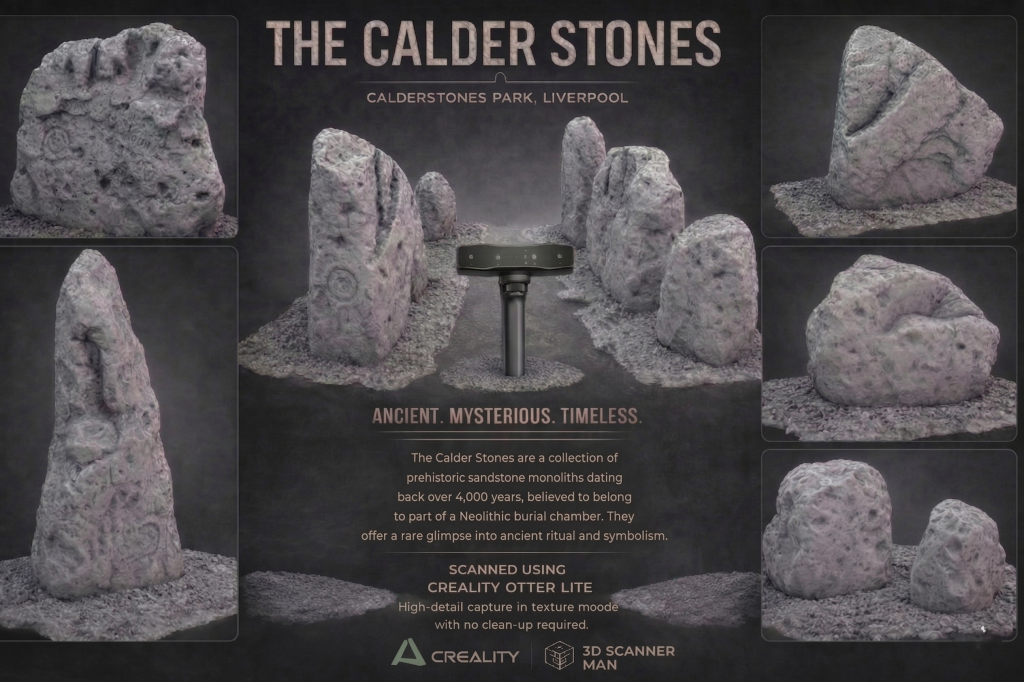
From a modern perspective, the Calder Stones are an excellent subject for 3D scanning in Liverpool.
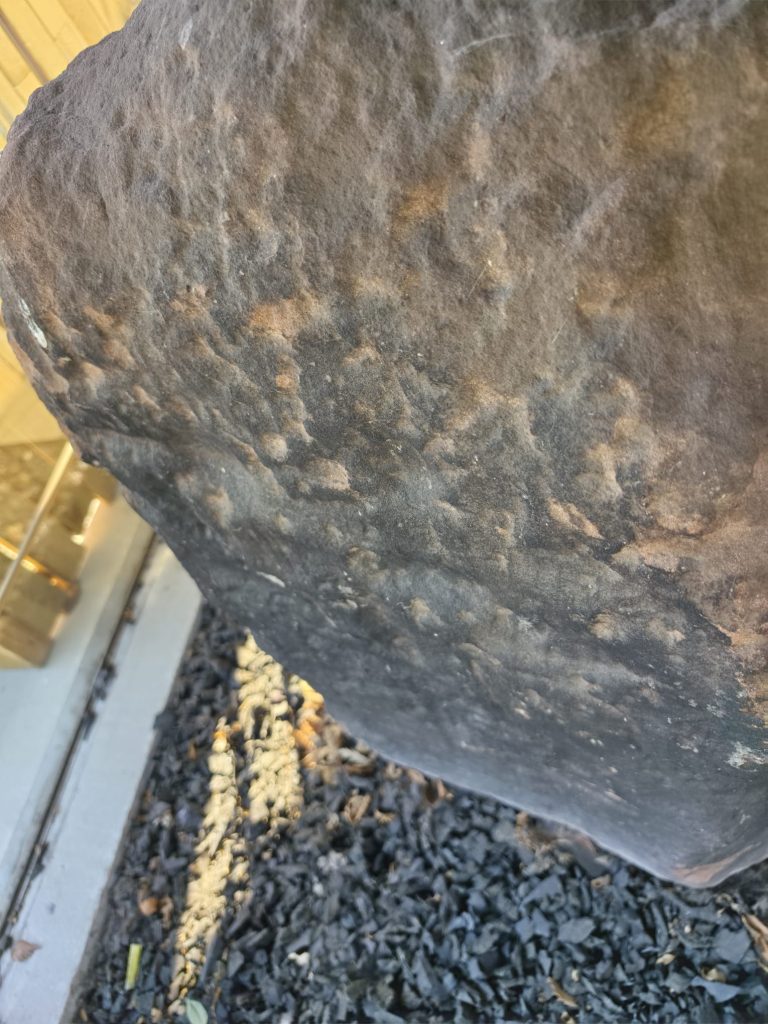
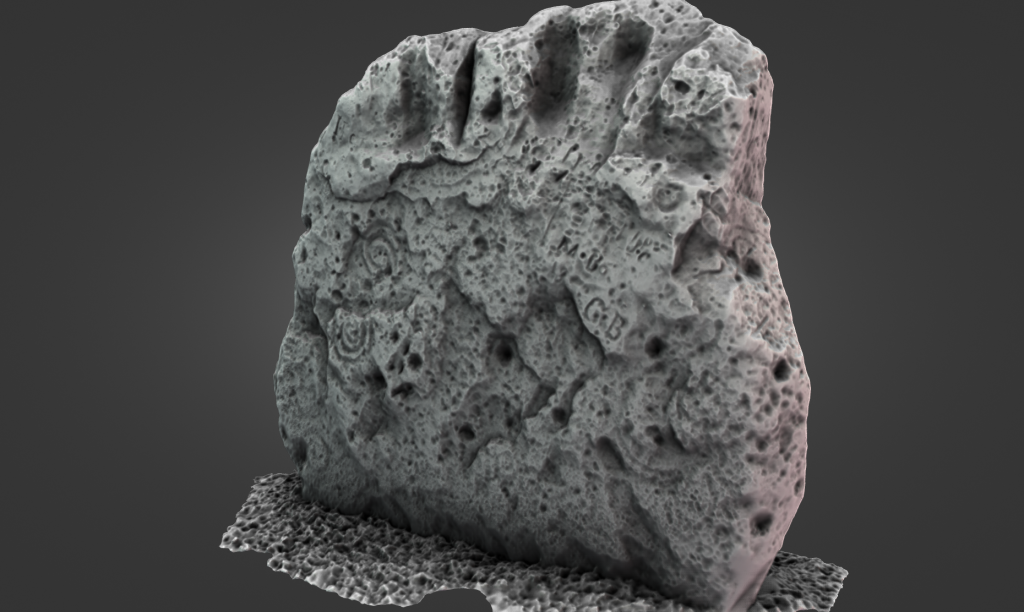
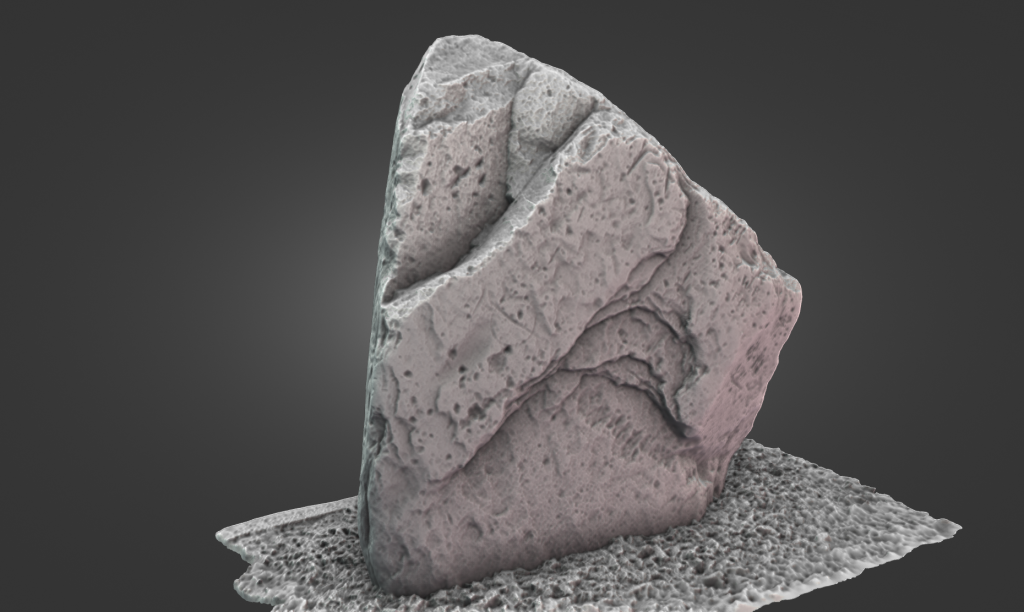
The depth of the carvings, combined with natural weathering and irregular shapes, makes them ideal for capturing detailed scan data. Using the Creality Otter Lite, it is possible to capture:
- Fine carved details such as spirals and cup marks
- Surface wear caused by thousands of years of erosion
- Variations between carvings from different historical periods
This allows for the creation of accurate digital models of one of Liverpool’s oldest historical sites.
Why the Calder Stones Matter
The Calder Stones are more than just a historical feature within a park. They represent:
- The oldest known monument in Liverpool
- Evidence of prehistoric burial practices in Britain
- A site used and reused over thousands of years
- A connection between Liverpool and wider prehistoric traditions across the UK and Ireland
Today, preserved within Calderstones Park, they remain one of the most important and overlooked historical landmarks in Liverpool.
If you are visiting Calderstones Park in Liverpool, the Calder Stones are a must-see location for anyone interested in history, archaeology, or 3D scanning.