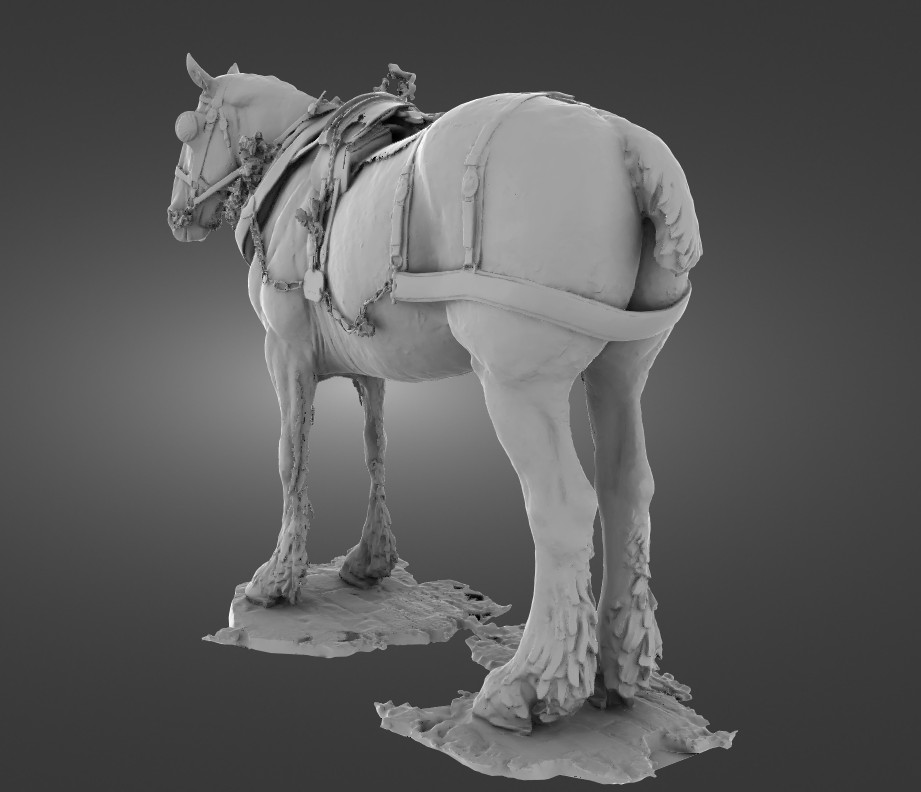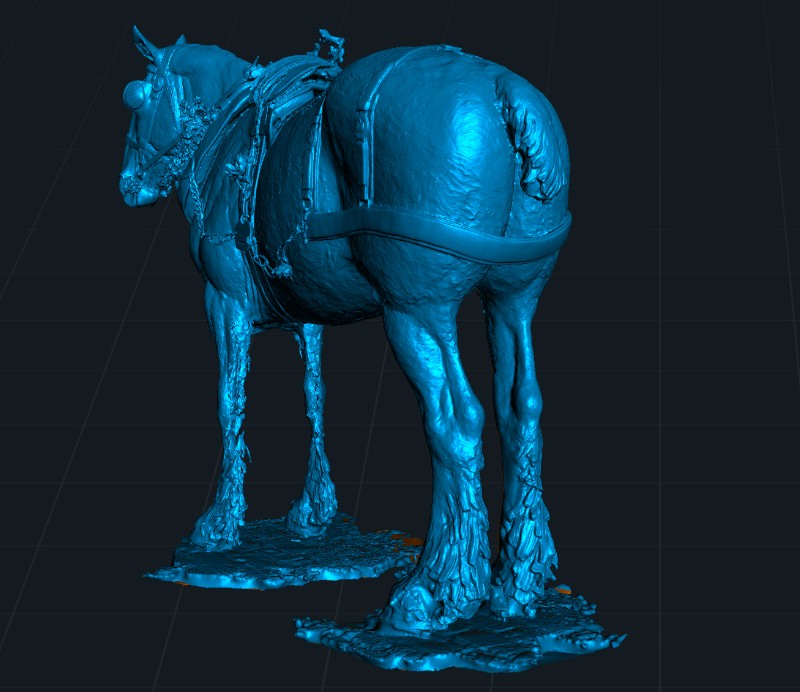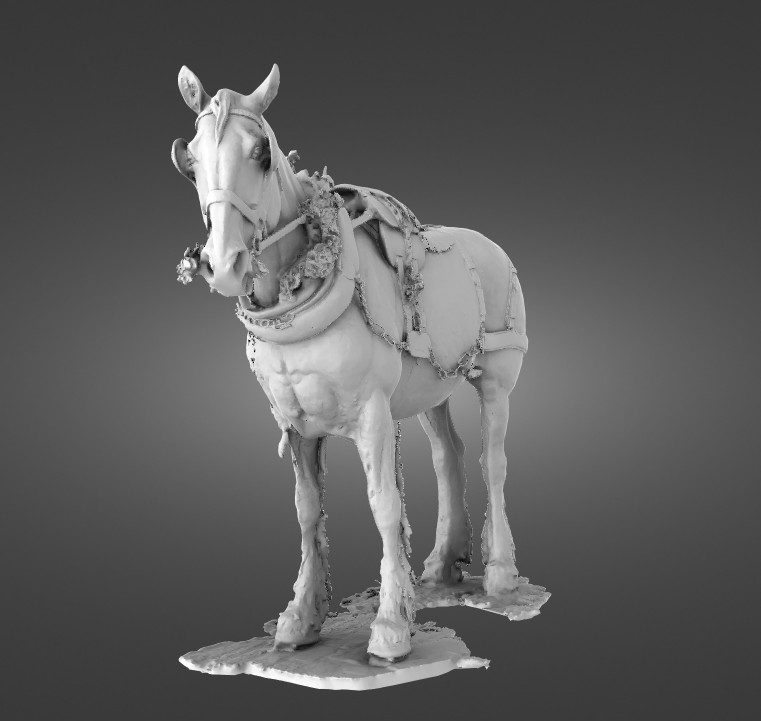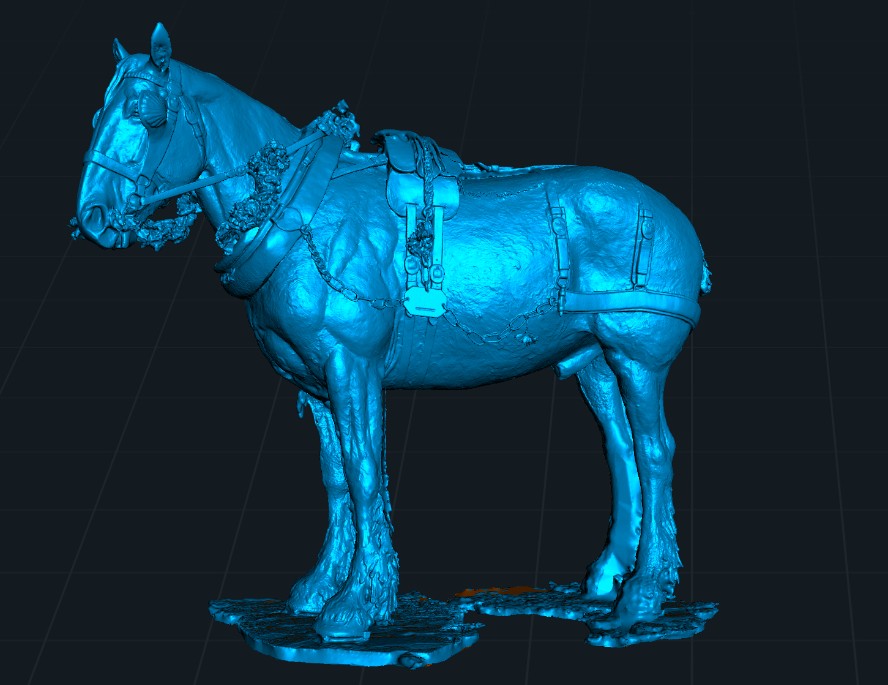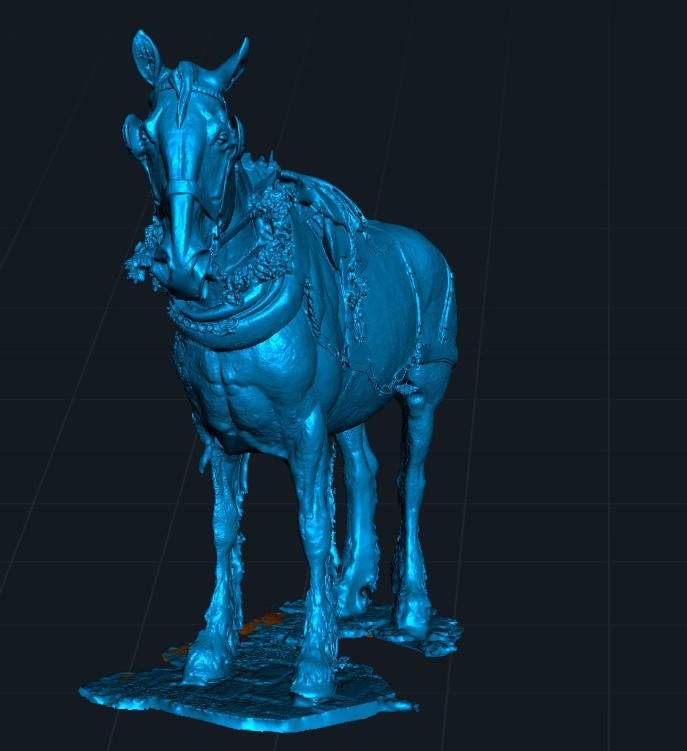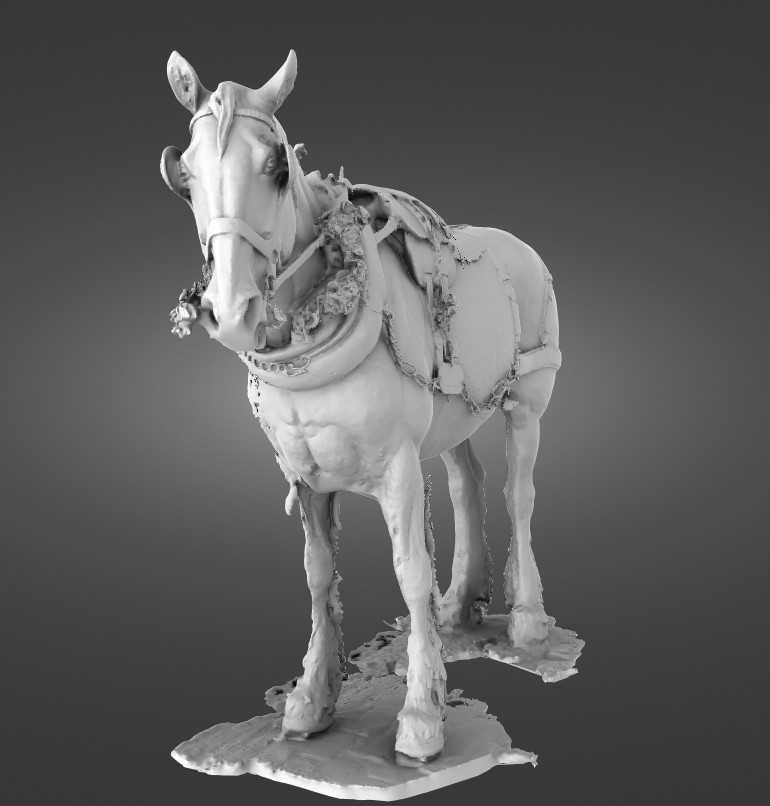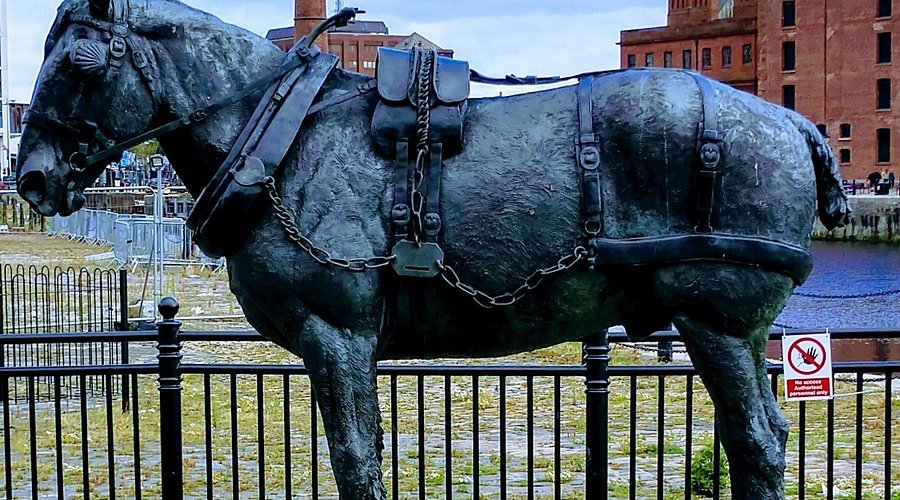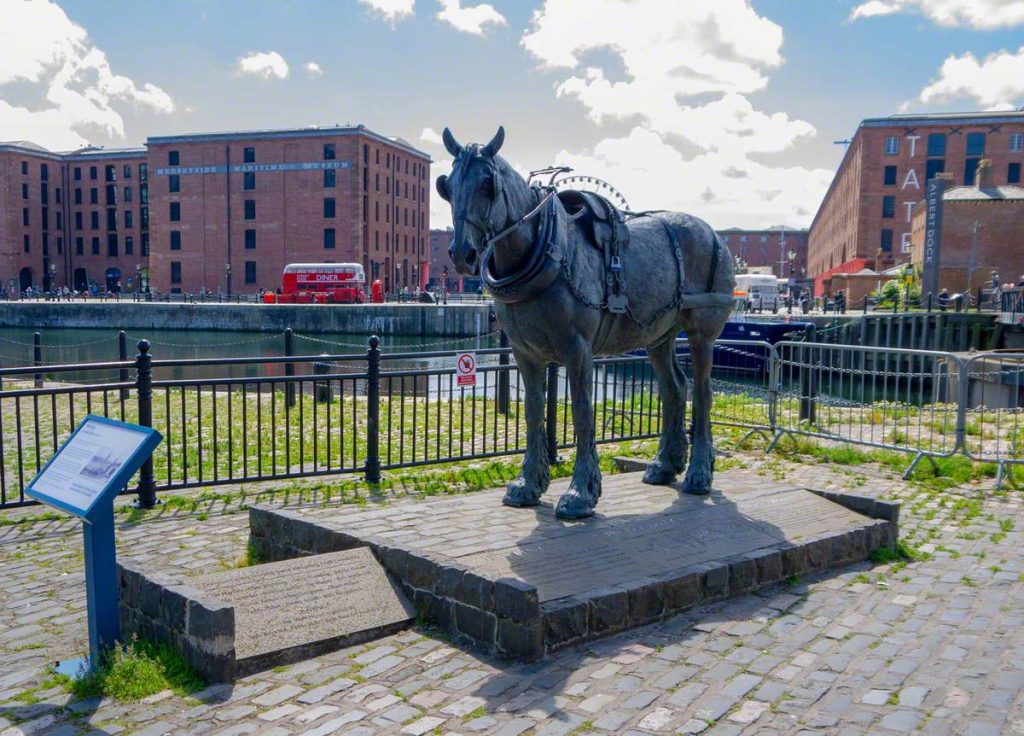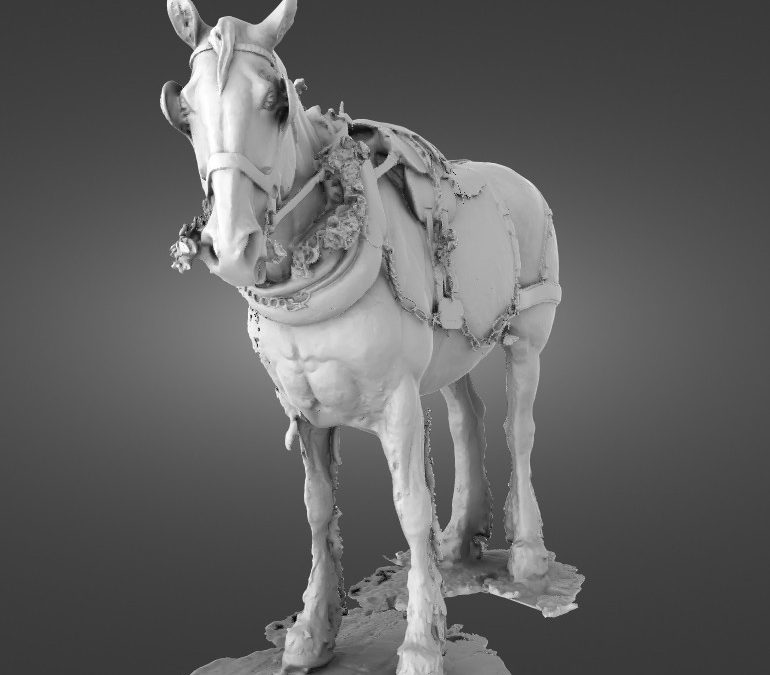
Walking along the quayside outside the Museum of Liverpool, it is impossible to miss the majestic and powerful presence of a life size bronze horse. Known as Waiting The Monument to the Liverpool Working Horse, this stunning sculpture honours the unsung heroes of our maritime and industrial past. Continuing my mission to digitally archive the most significant monuments across the city, I brought my original Creality Otter 3D scanner to the waterfront to capture this magnificent equine tribute.
Here is the incredible story behind the working horses of Liverpool and how advanced 3D scanning technology makes preserving their memory so seamless.
The History Of The Liverpool Working Horse Monument
For more than 250 years, horses were the absolute lifeblood of the Liverpool economy. Before direct railway connections reached the entire seven mile dock estate, these incredible animals were responsible for moving almost all the cargo.
Here are the key historical facts about this poignant waterfront tribute:
- The Workforce: At their absolute peak, more than 20000 horses worked on the streets of Liverpool. This was more than in any other UK city outside of London. They hauled goods from the ships to warehouses and railway stations, keeping the supply lines open even through two World Wars.
- The Artist: The incredibly lifelike bronze monument was crafted by the renowned equine sculptor Judy Boyt.
- The Dedication: The importance of the carters and their horses was slowly fading from modern memory. Thankfully, members of the Liverpool Carters Association spent 13 years fundraising and campaigning to get this beautiful tribute created.
- The Unveiling: The life size bronze horse was officially unveiled to the public on May 1 2010 and now stands proudly right outside the Museum of Liverpool, looking out over the area where so many horses once worked.
Scanning A Life Size Bronze Horse With The Original Creality Otter
Digitizing a dark, highly textured bronze animal outdoors requires a scanner that can handle complex geometry and reflective surfaces in unpredictable daylight. Between the fine details of the horse harness and the large, smooth muscles of the animal, I needed a highly capable tool. The original Creality Otter proved to be absolutely perfect for the task.
Here is why this scanner excelled during the capture process:
- Exceptional Precision: Capturing the intricate details of the traditional harness and the beautiful musculature sculpted by Judy Boyt required immense accuracy. The 0.02 millimeter precision of the original Otter flawlessly mapped the textures of the bronze coat and the heavy horseshoes.
- Four Lens Stereo Vision: The scanner uses dual long focal lenses for capturing the smallest details and dual short focal lenses for easily mapping larger surface areas. This setup allowed me to capture the highly detailed facial features of the horse as well as the massive, smooth body seamlessly in one pass.
- No Sprays Needed: Applying scanning spray to a deeply respected historical monument is simply not an option. The advanced vision system managed the dark, reflective metallic surface perfectly in the natural waterfront light without any additional preparation.
- Smooth Tracking Capability: Because the statue is life size and stands proudly on the quayside, I had to move carefully around the entire figure to capture every angle. The advanced tracking and One Shot 3D imaging technology meant I could walk steadily around the horse without ever losing my tracking data.
A Digital Archive Of Our Industrial Heritage
Preserving our local monuments in 3D allows us to capture the very foundation of our city history. Having a flawless digital model of Waiting ensures that the immense contribution of the Liverpool working horse, along with the beautiful craftsmanship of Judy Boyt, can be explored and remembered by people all over the world.