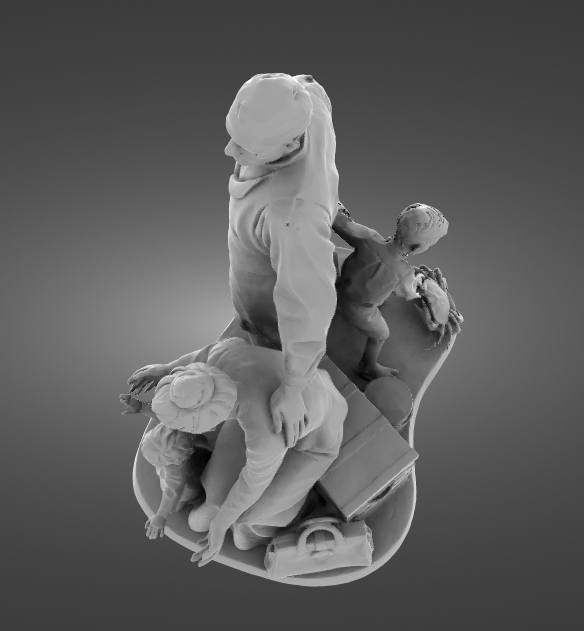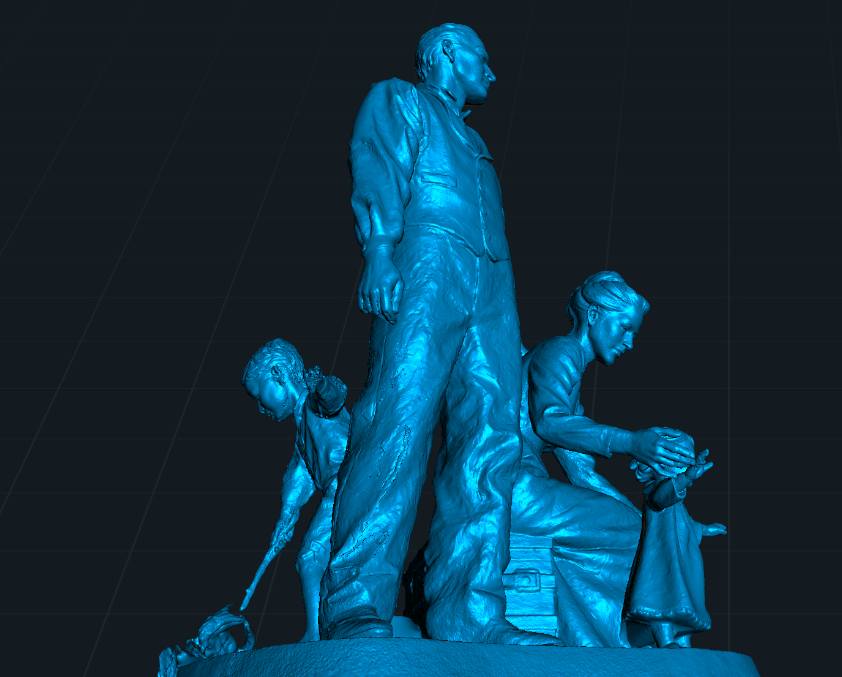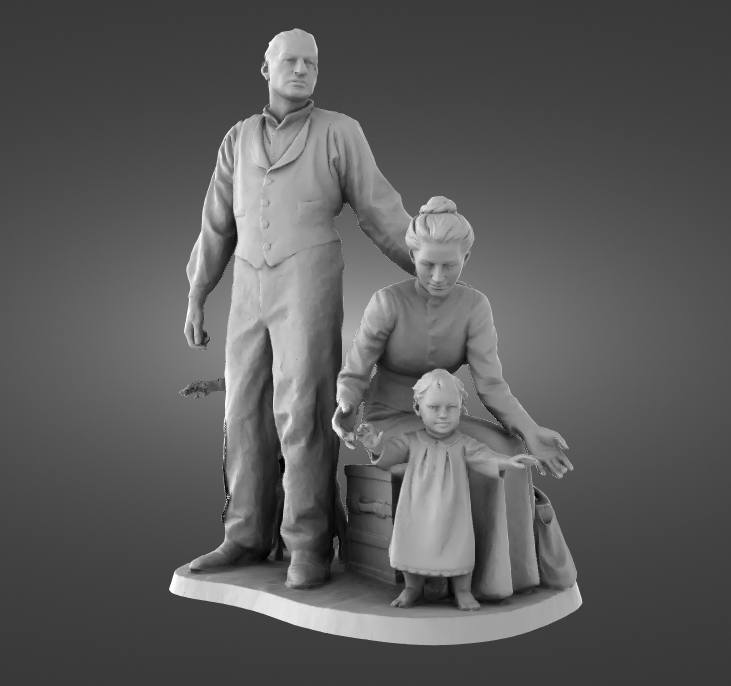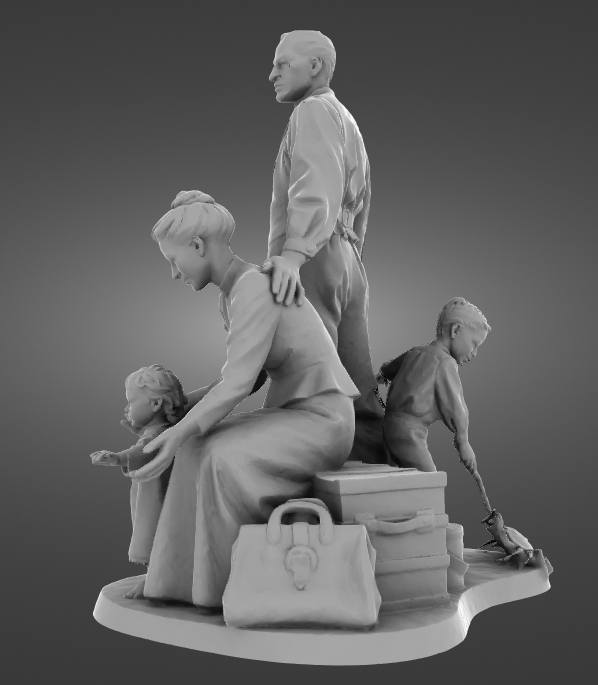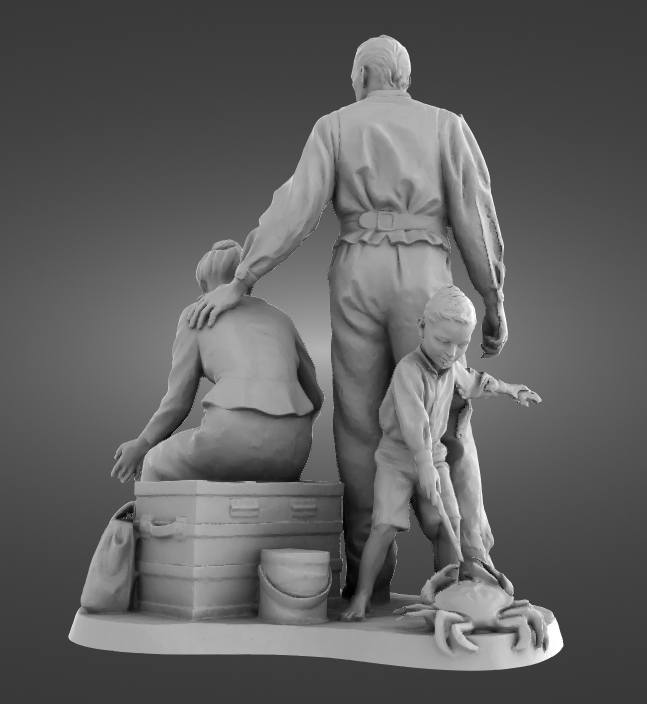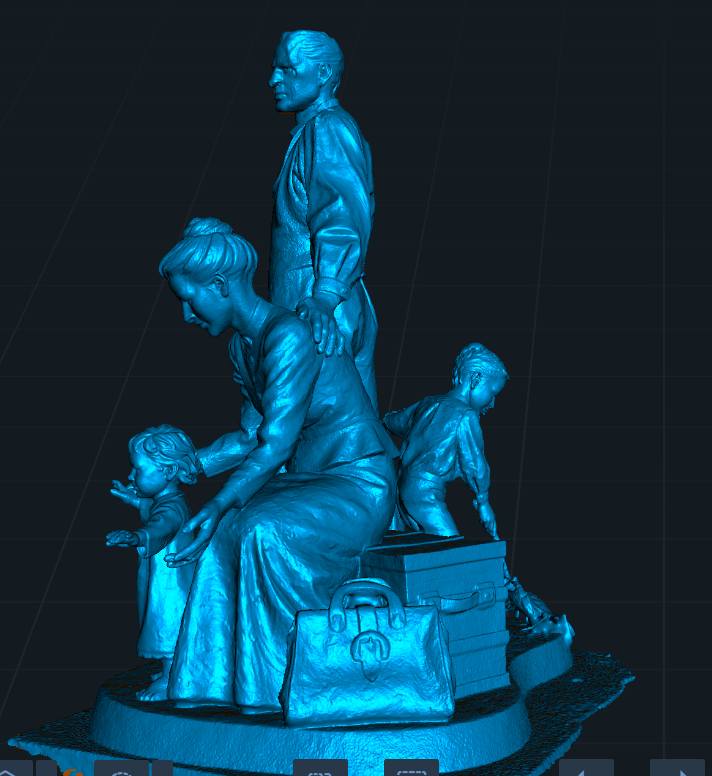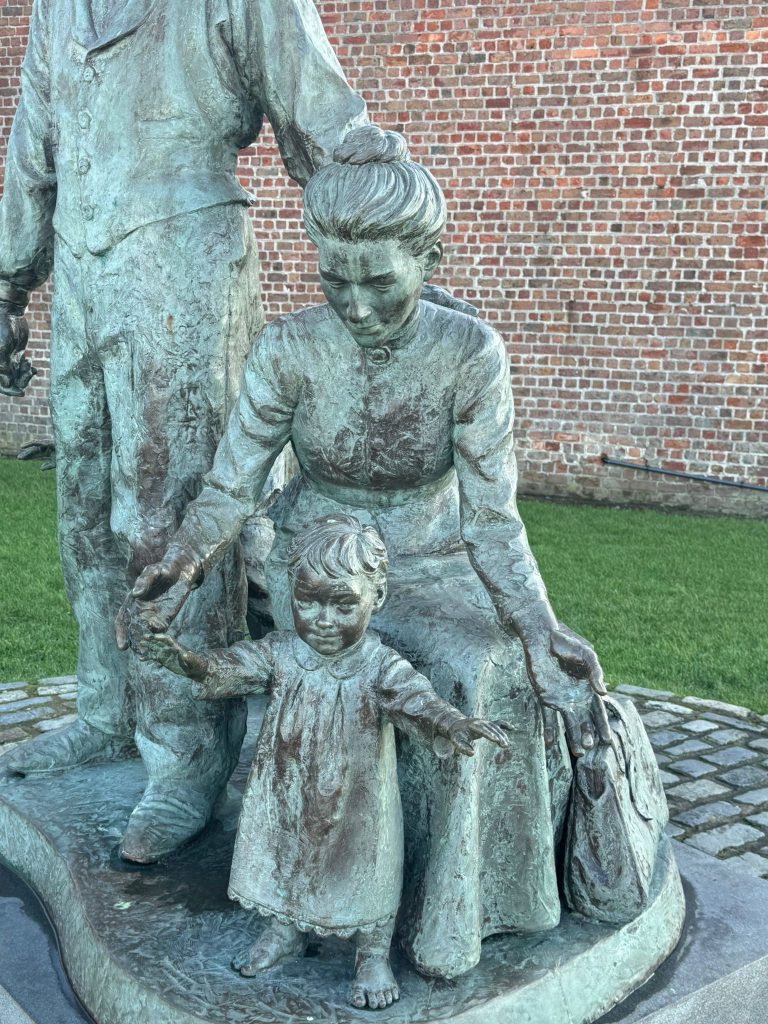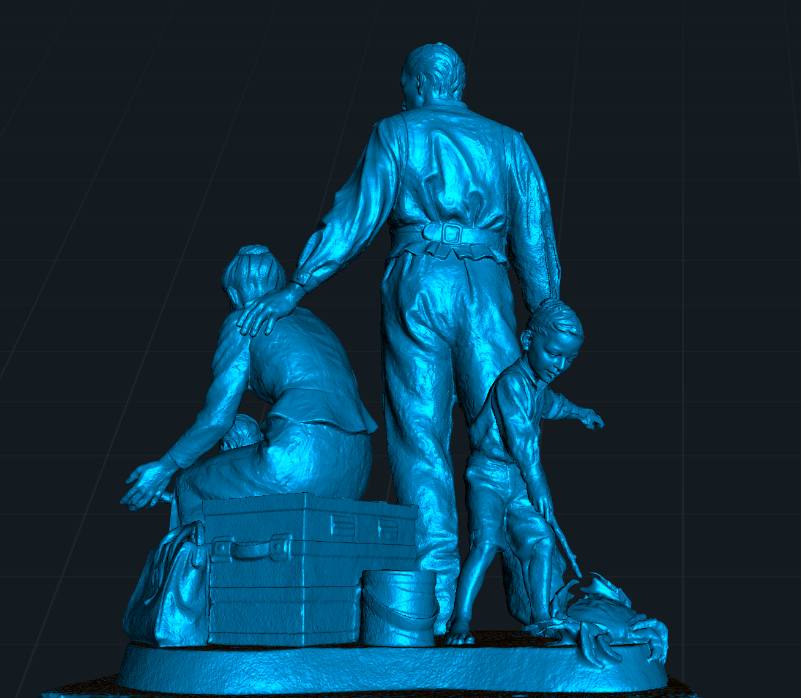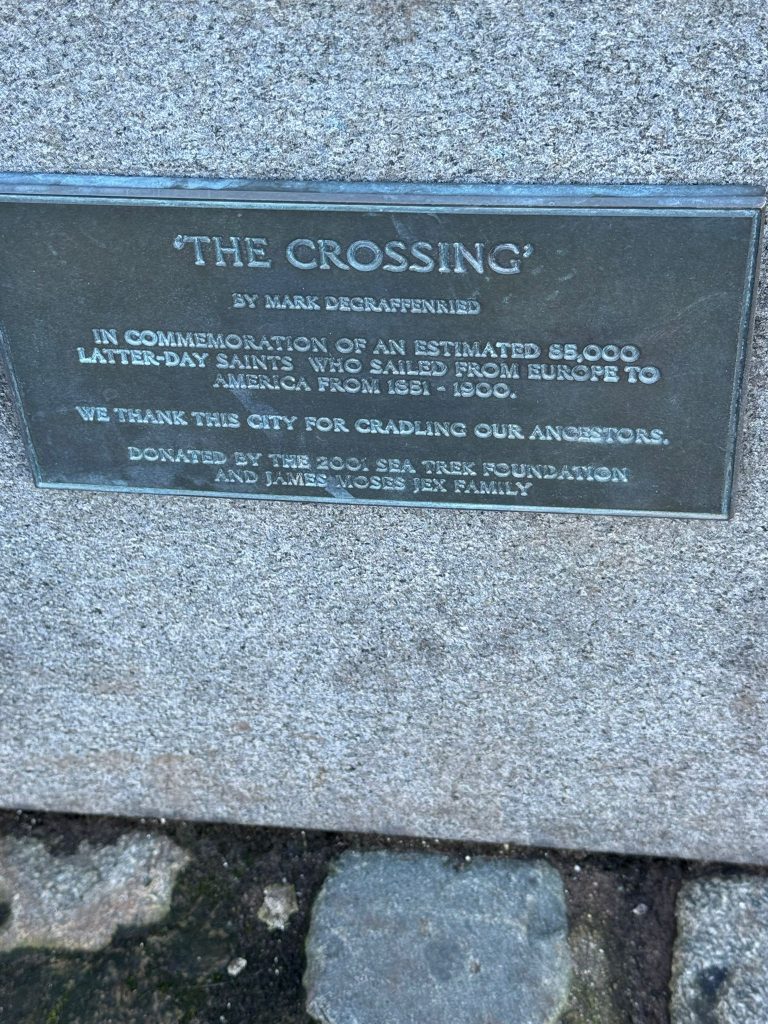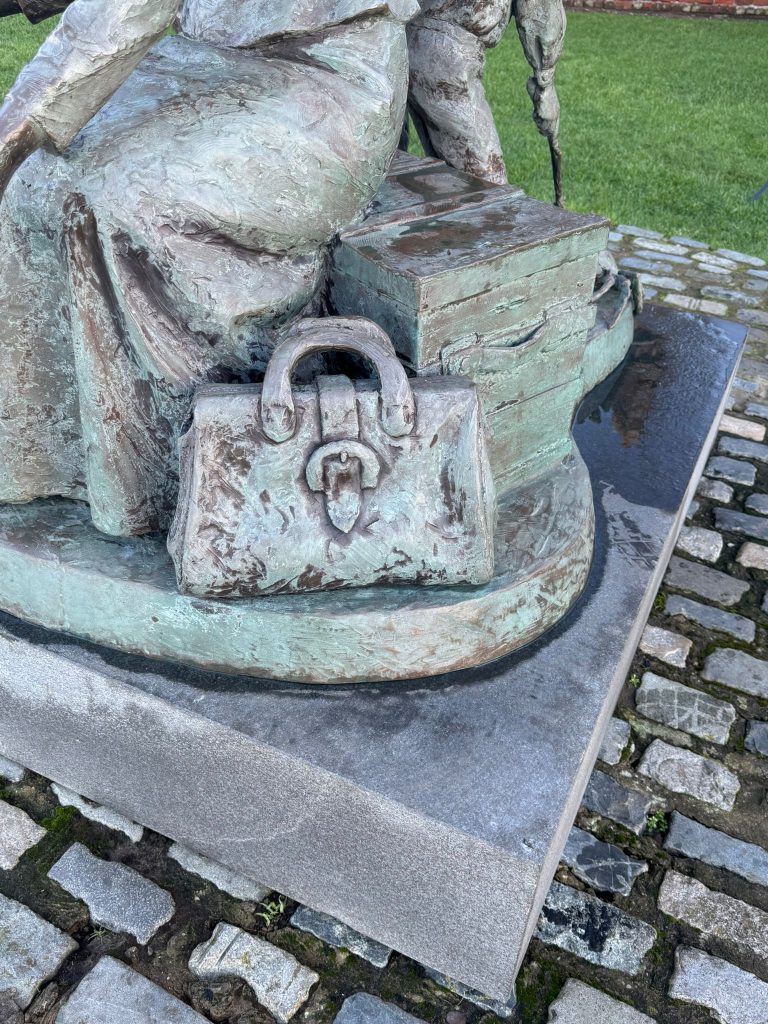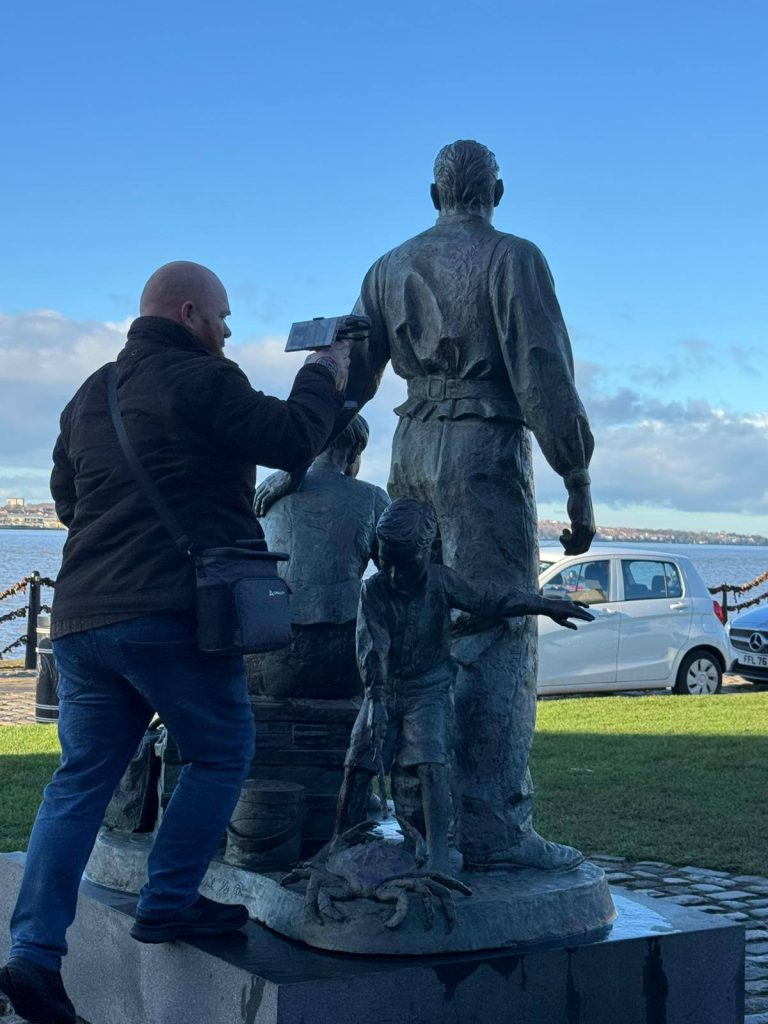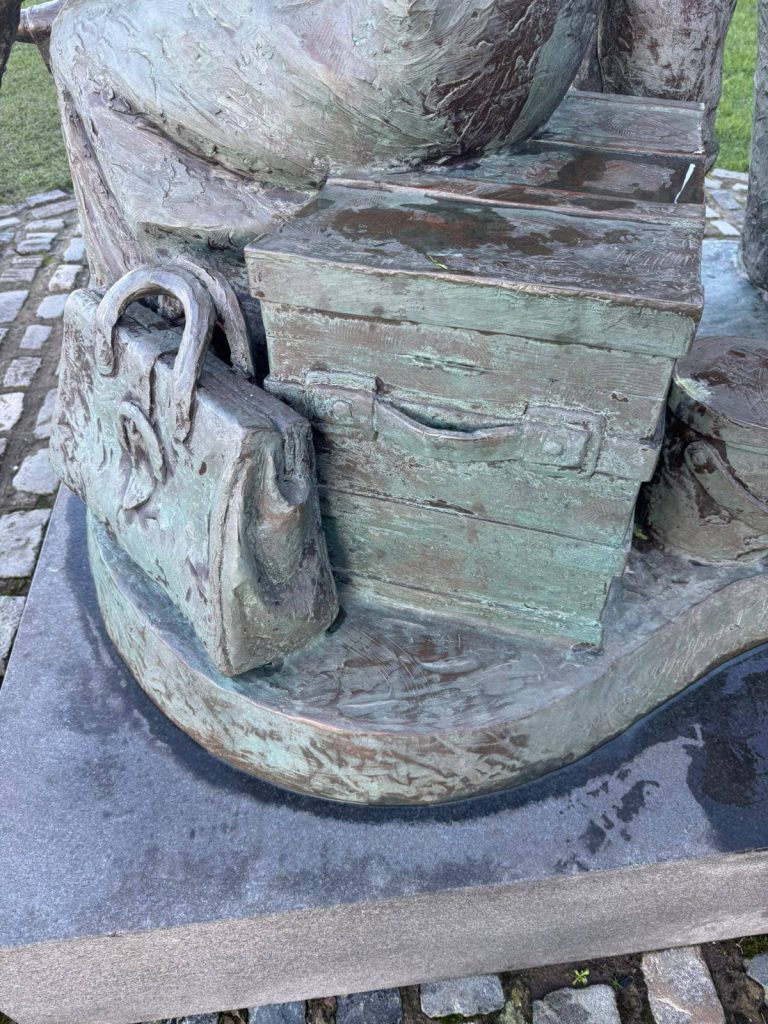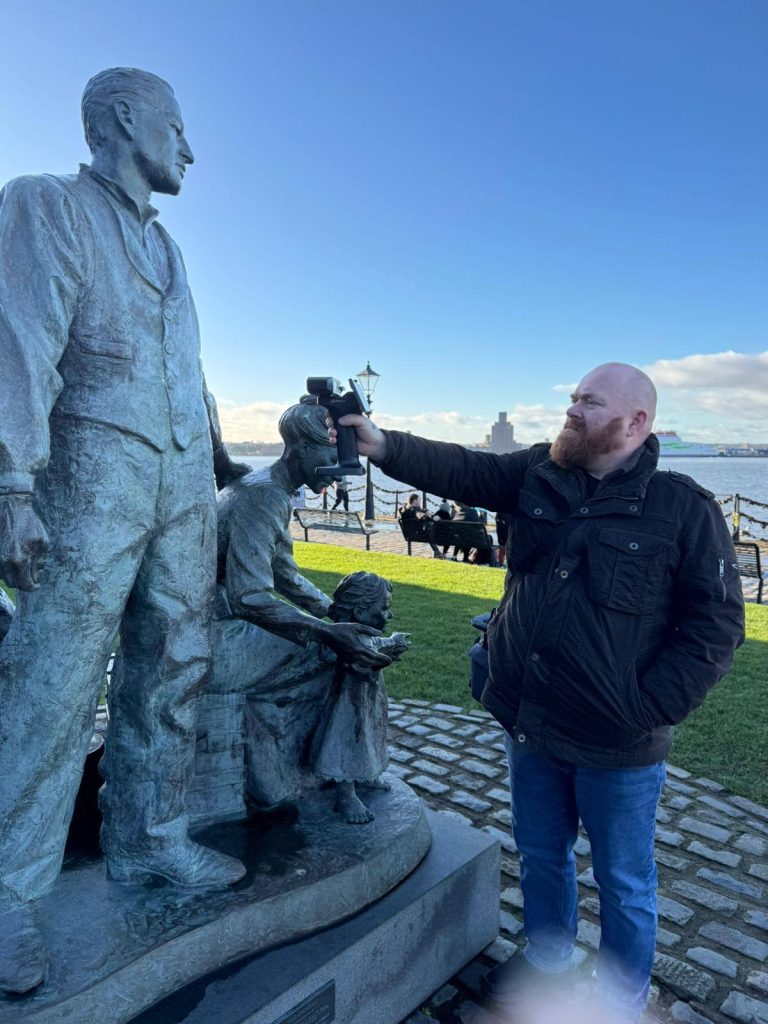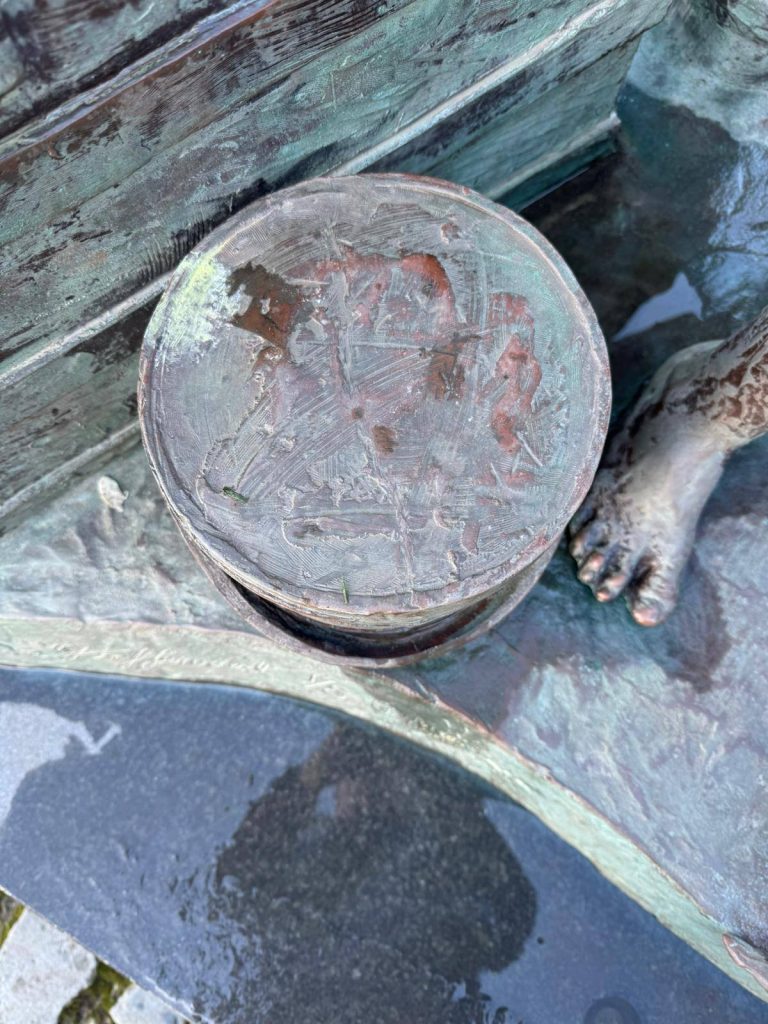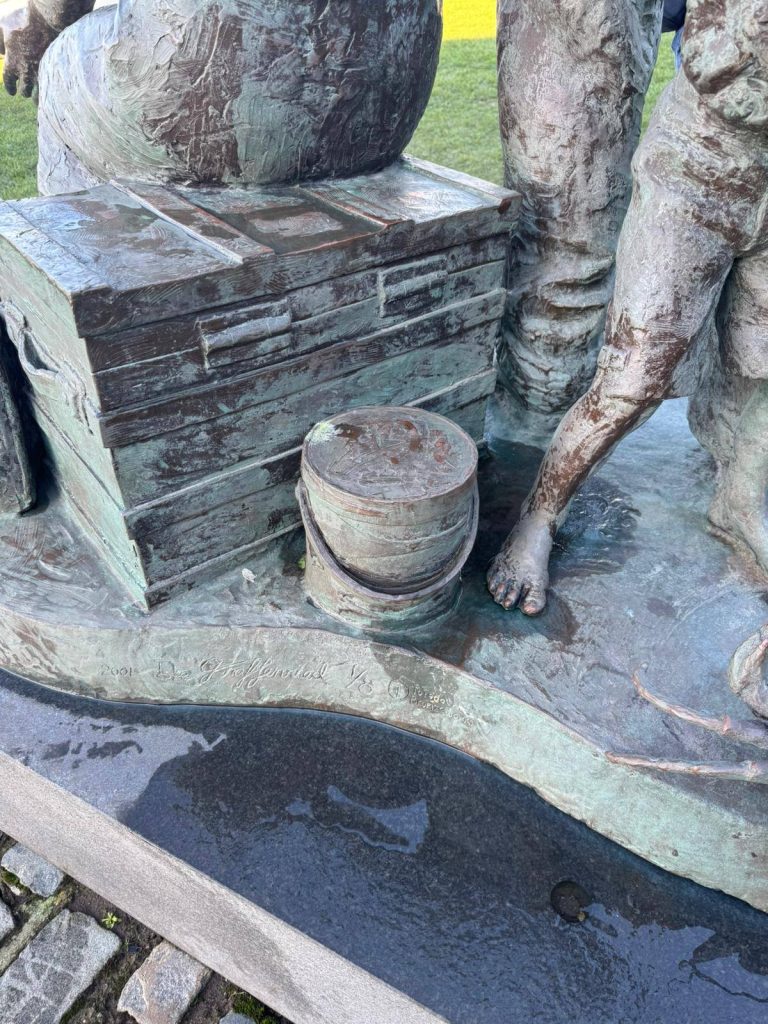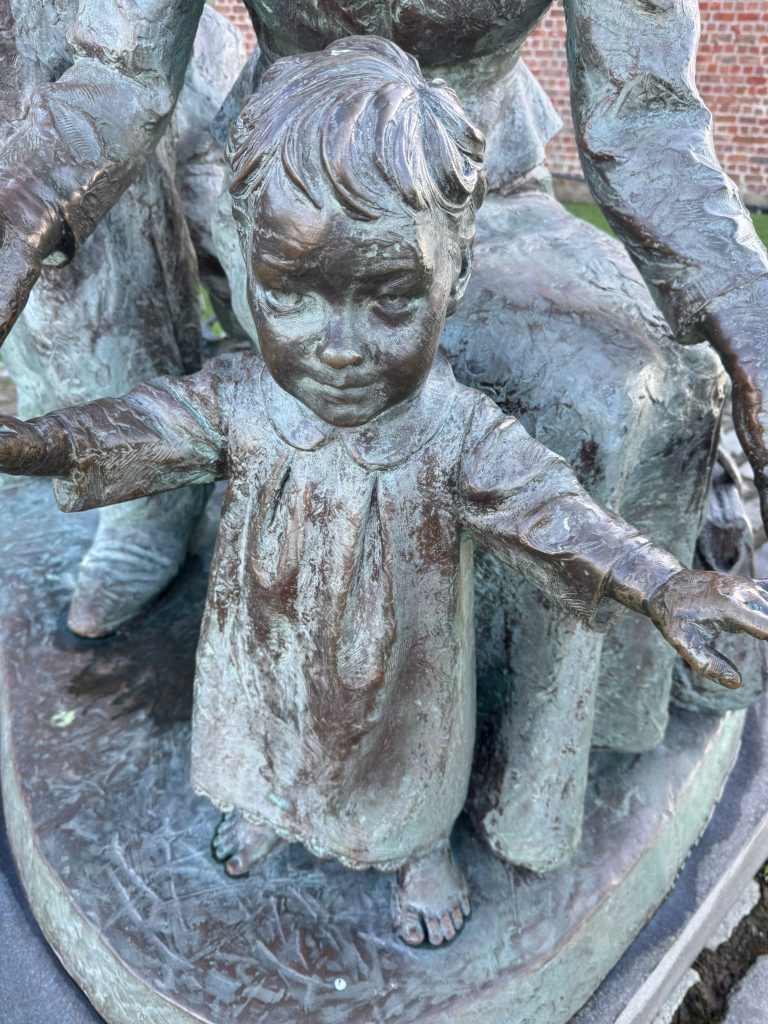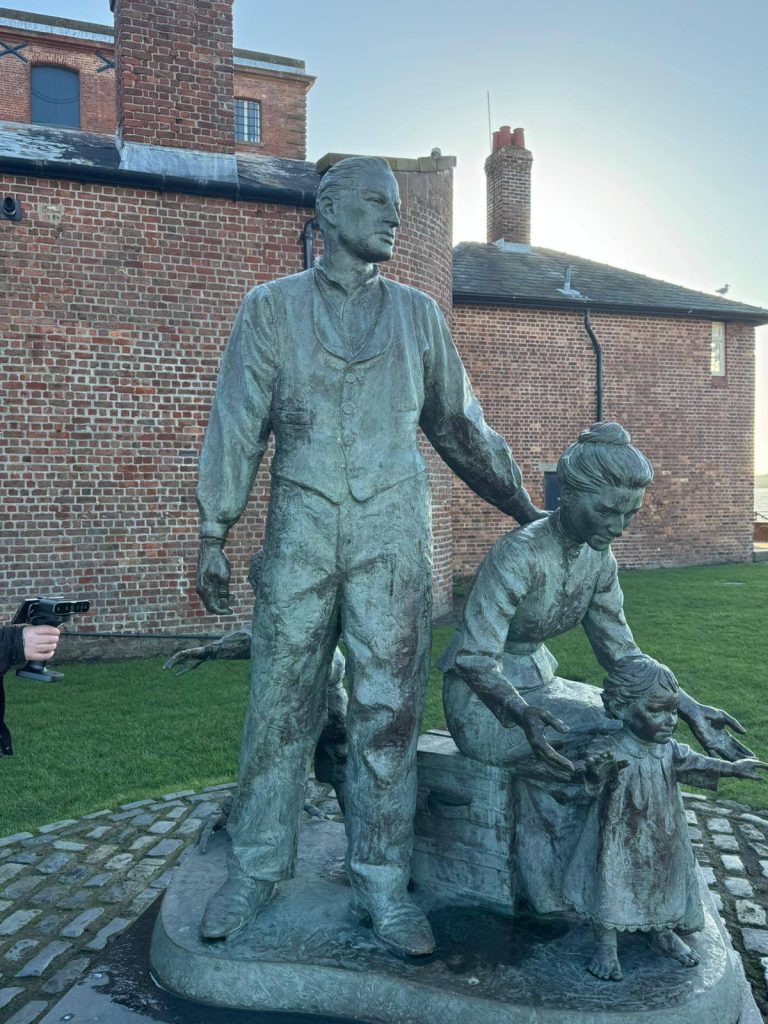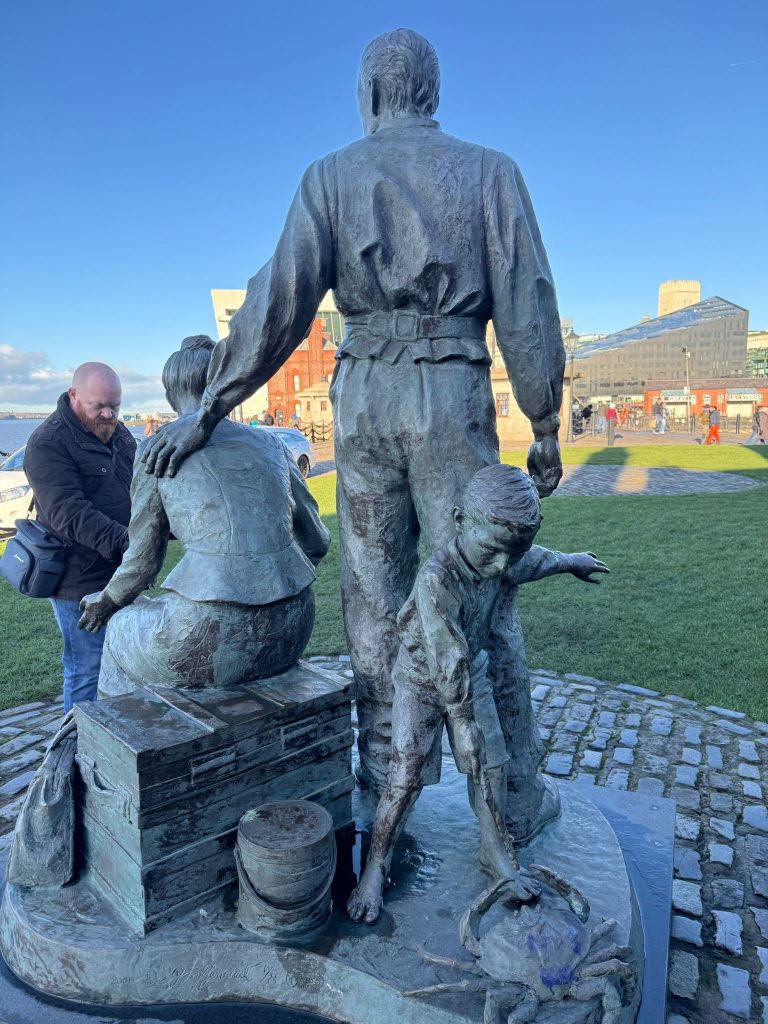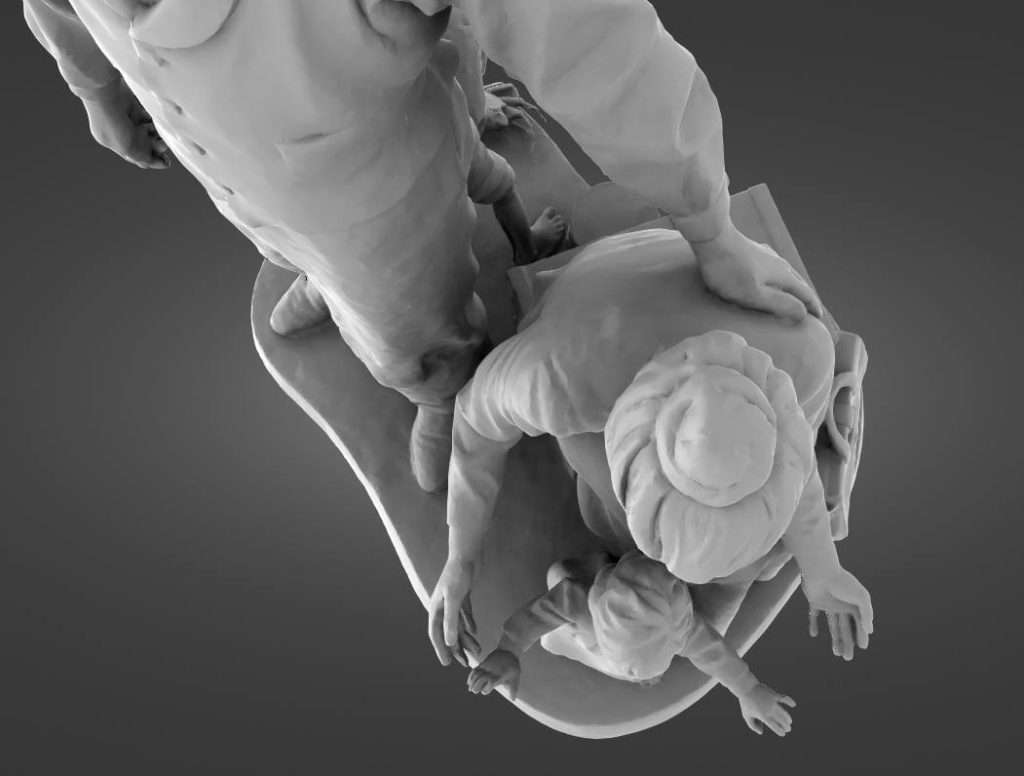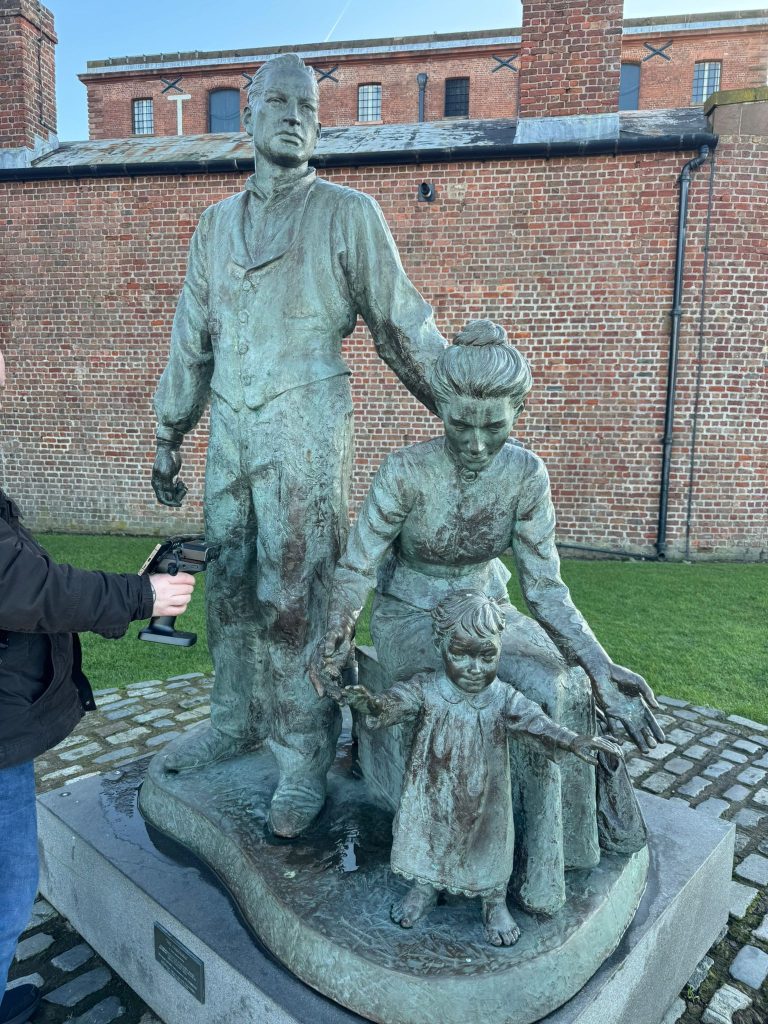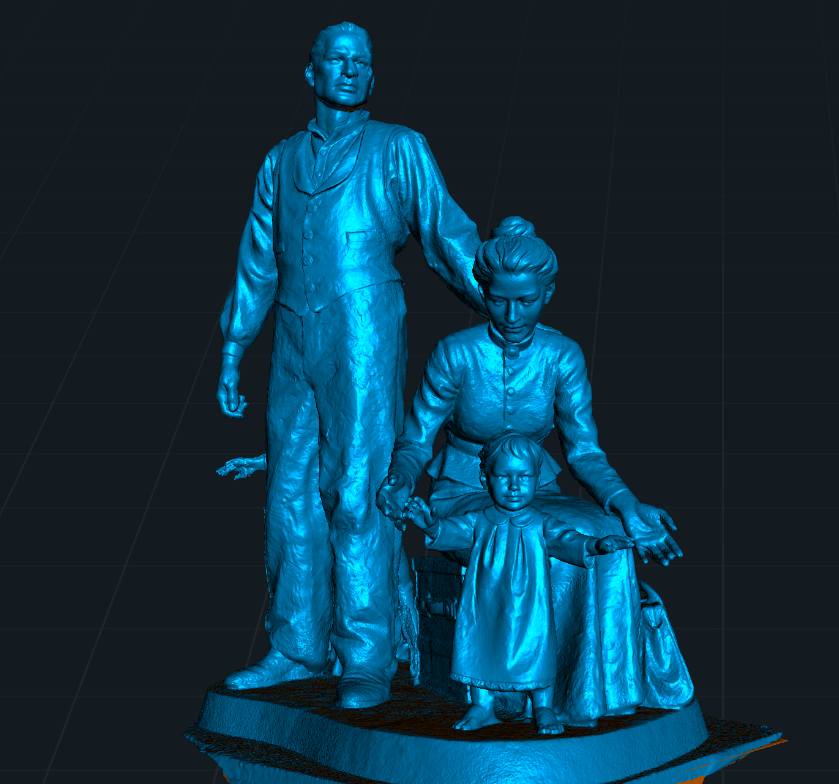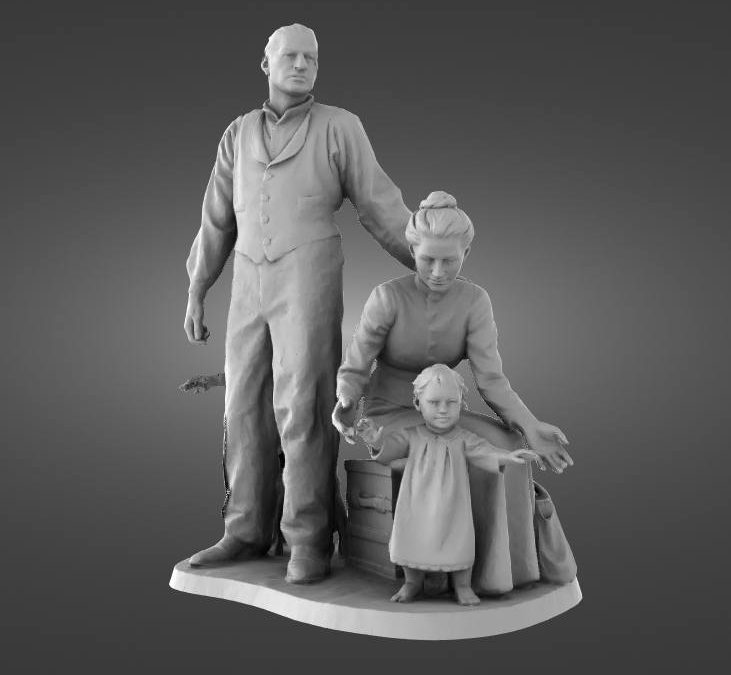
Walking along the waterfront at the Royal Albert Dock is always a profoundly moving experience. Nestled near the Piermasters House, looking out over the expansive River Mersey, is a powerful bronze monument known as The Crossing, or sometimes the Legacy Sculpture. It tells a remarkable story of human endurance, journey, and hope. Capturing this deeply emotional piece of art was the next major goal in my mission to digitize our local Liverpool heritage, and I brought my original Creality Otter 3D scanner to ensure every intricate detail was preserved perfectly.
Here is the rich history behind this waterfront memorial and how advanced 3D scanning technology makes archiving it so effective.
The History Of The Crossing Monument
Liverpool has always been a city of departures and arrivals. During the 19th century, it was one of the most important ports in the world for people seeking a new life.
Here are the key facts about this beautiful public artwork:
- The Artists: The incredibly moving bronze sculpture was created by talented American sculptors Mark DeGraffenried and Neil Hadlock and was officially unveiled in 2001.
- The Subject: It depicts a life size emigrant family making the brave journey from Europe to America. The group features a father looking out toward the horizon, a mother sitting on a luggage trunk holding an infant girl, and a young boy playfully poking at a crab.
- The Symbolism: The child stepping forward represents the bold migration into an unknown new world, while the boy playing with the crab symbolizes the deep, unavoidable connection to the sea that defined their long journey.
- The Commemoration: The statue was donated by the Sea Trek Foundation to commemorate the estimated 85000 Latter Day Saints and millions of other hopeful families who sailed from Liverpool between 1851 and 1900 to start fresh in America.
Scanning A Bronze Family With The Original Creality Otter
Digitizing a multi figure bronze statue outdoors is always a demanding task. The unpredictable lighting coming off the River Mersey and the complex geometry of a family huddled together with luggage require a highly capable scanner. The original Creality Otter was absolutely up to the challenge.
Here is why this scanner was the perfect tool to capture The Crossing:
- Exceptional Precision: Capturing the intricate details, from the expressions on their faces to the tiny crab on the dock, required immense accuracy. The 0.02 millimeter precision of the original Otter mapped every fold of their clothing and the texture of the luggage trunk flawlessly.
- Four Lens Stereo Vision: This advanced setup uses dual long focal lenses for capturing the smallest details and dual short focal lenses for easily mapping the larger areas of the bronze family, bringing the entire group together seamlessly in the digital space.
- No Sprays Needed: Applying scanning spray to a public monument dedicated to courageous pioneers is out of the question. The advanced vision system handled the dark, reflective bronze perfectly in the natural outdoor light, keeping the statue completely untouched.
- Smooth Tracking Capability: Scanning a group of four figures means navigating around plenty of tricky undercuts and overlapping limbs. The advanced tracking and One Shot 3D imaging technology meant I could move steadily around the entire sculpture without ever losing my tracking data.
A Digital Tribute To The Pioneers
Preserving public monuments in 3D allows us to capture the profound history of our port city. Having a flawless digital model of The Crossing ensures that the brave journey of those millions of emigrants, along with the beautiful sculptural craftsmanship, can be explored and remembered by people all over the world.