
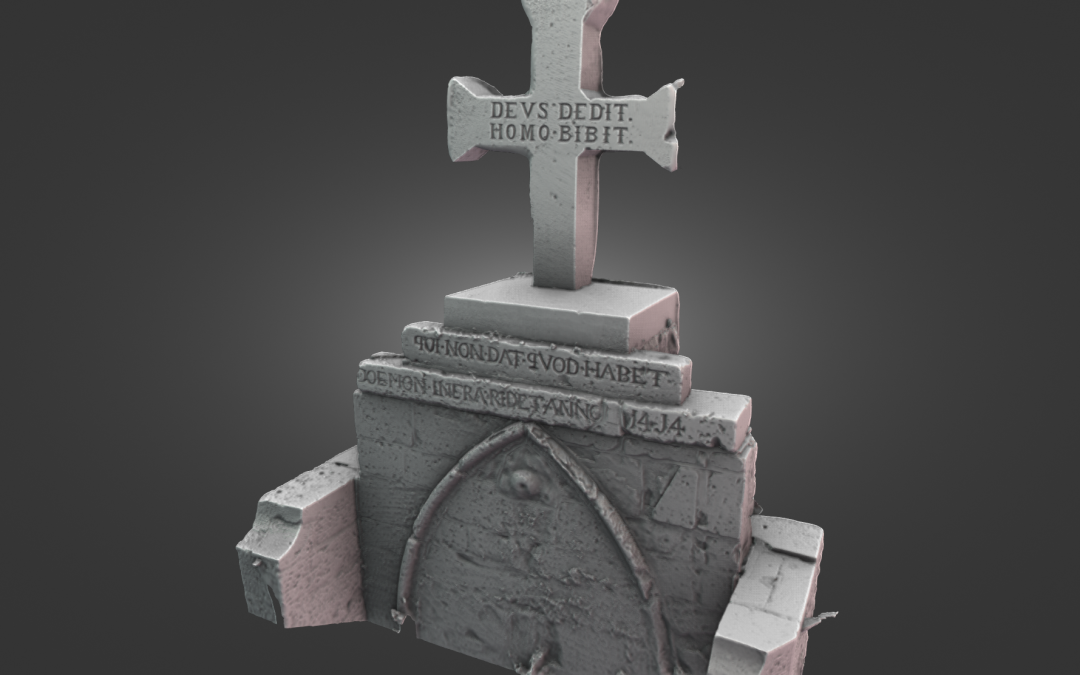
From the towering majesty of the Royal Albert Dock to the intricate stonework of the Baltic Triangle, Liverpool is a city defined by its history. However, as these historic structures face the "ravages of time" and environmental decay, the need for precision documentation has never been more urgent. In the UK, the gold standard for this effort is 3D scanning for preservation, a non-contact method that creates a perfect digital record of our heritage without risking damage to fragile surfaces.
The Tech Behind the Transformation: Creality Otter and Otter Lite
To achieve the millimeter-level precision required by organizations like Historic England, choosing the right hardware is critical. For heritage professionals and conservationists in the UK, the Creality CR-Scan Otter and its counterpart, the Otter Lite, have become essential tools.
- Creality CR-Scan Otter: This is the powerhouse for high-fidelity artifact preservation. With an accuracy of up to 0.02mm, it captures the finest details of small to mid scale objects from intricate 19th century cornices to archaeological wood fragments. Its four-lens stereo vision allows it to handle "challenging" surfaces, such as black or metallic textures, without the need for messy scanning sprays that could harm historic finishes.
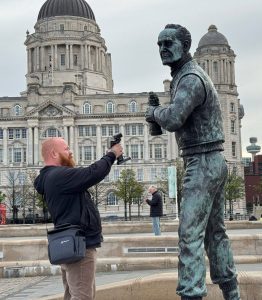
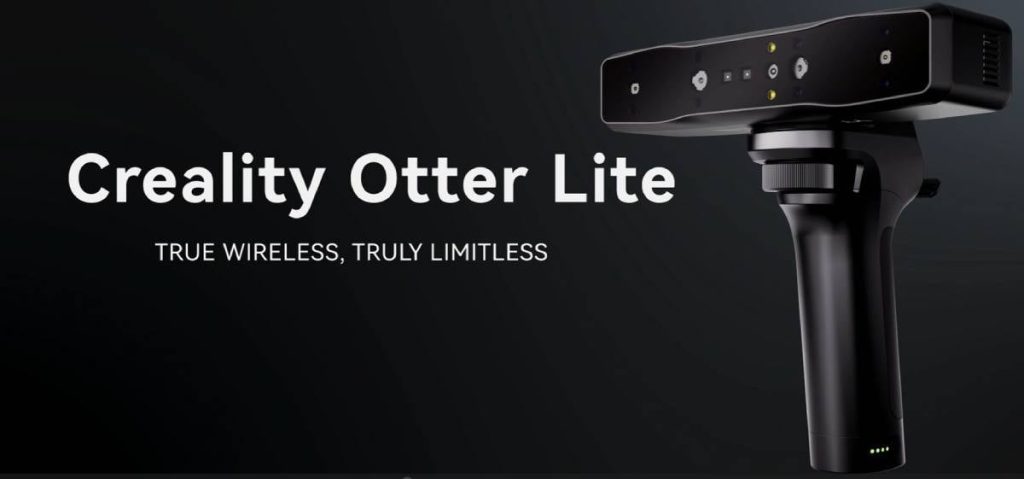
- Creality CR-Scan Otter Lite: For site visits across Merseyside where portability is key, the Otter Lite is the go to choice. Weighing only about 300g to 350g, it is designed for mobile scanning users who need to document medium to large features like architectural reliefs or statues on the go. Its built in Wi-Fi 6 connectivity ensures that data can be processed quickly, which is vital for "rapid documentation" in high risk heritage zones.
Why Liverpool? A Heritage at Risk
Liverpool’s economy has deep roots in maritime history and heritage conservation. Projects like the "Hidden Giants" initiative, which aims to document 100 of the city's breathtaking statues, demonstrate the power of 3D scanning in creating a "living museum". By using tools like the Otter series, we can capture the "current condition" of Grade I and II listed buildings, providing architects with a trusted foundation for restoration and monitoring structural movement over time.
Currently, major developments like the Waterfront Transformation Project are reimagining the area between the Royal Albert Dock and Mann Island. 3D scanning ensures that as these areas evolve, every historical nuance is archived in high-resolution point clouds and "BIM ready" 3D models.
The Future of Digital Heritage in the UK
Whether you are a museum curator in the Knowledge Quarter or a restoration architect in Bootle, the transition from physical artifacts to digital assets is the best way to ensure our global legacy is sustained. By leveraging the precision of the Creality Otter and the mobility of the Otter Lite, 3D Scanner Man is leading the charge in protecting the UK’s most precious landmarks.